

26 Powerful Vegetable Gardening Ideas to Boost Your Harvest
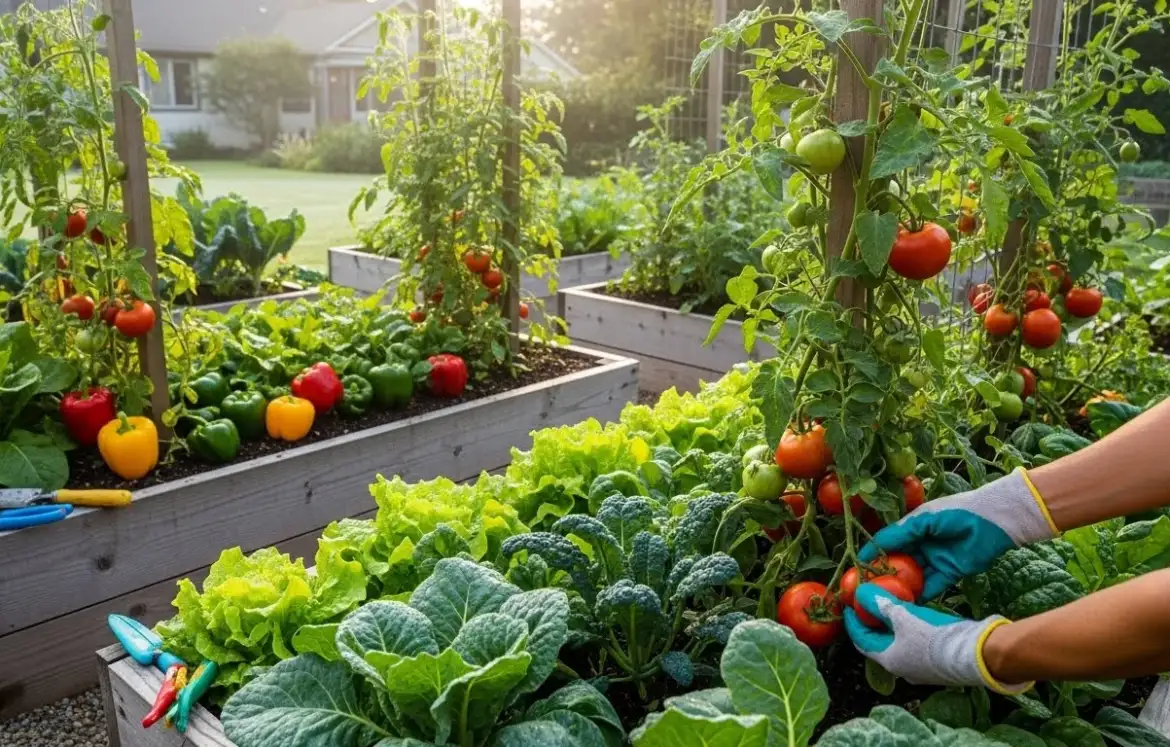
A productive vegetable garden comes from small, smart choices that make growing easier and more enjoyable. Simple tweaks can help plants stay healthier, produce more, and take up less of your day. This guide gives you practical, realistic ideas you can try with almost any budget or space. Each tip focuses on helping you grow more food with less stress and more confidence.
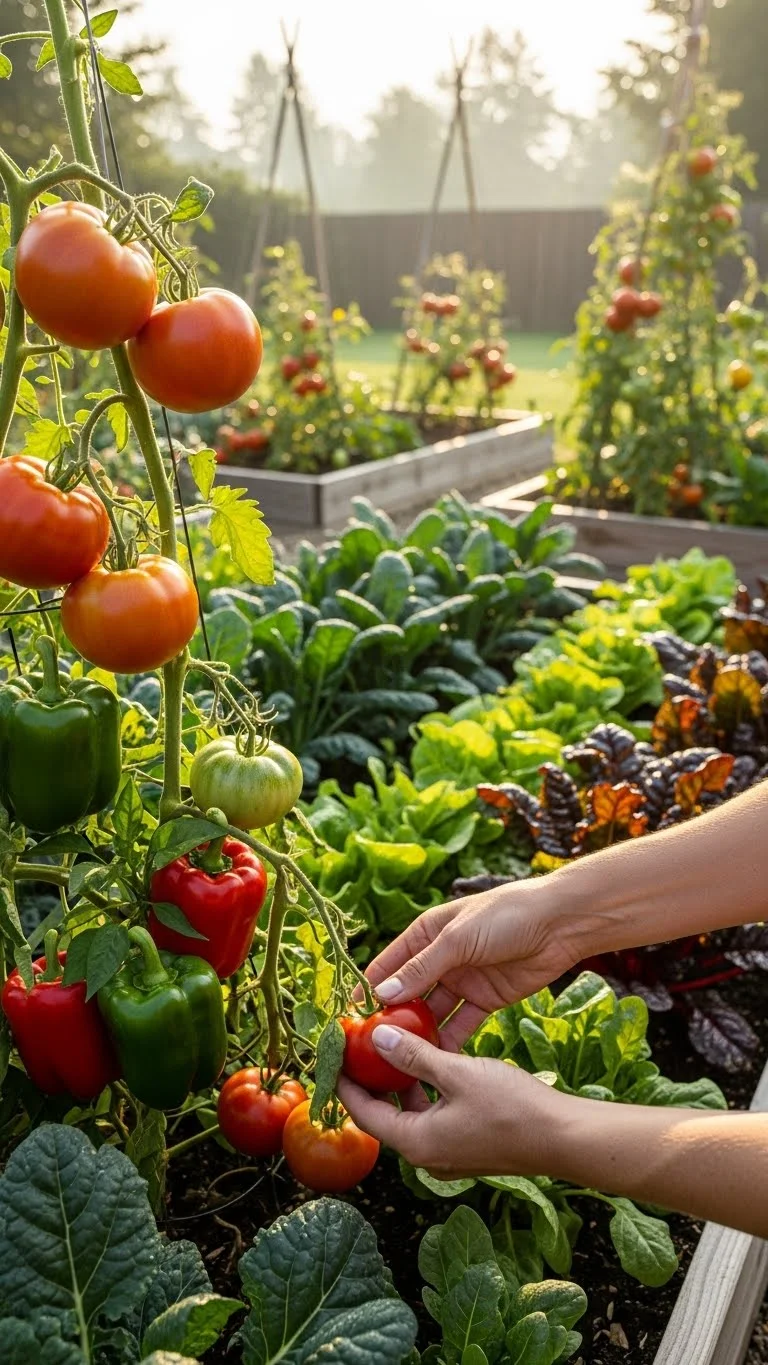
- Create Simple Raised Beds
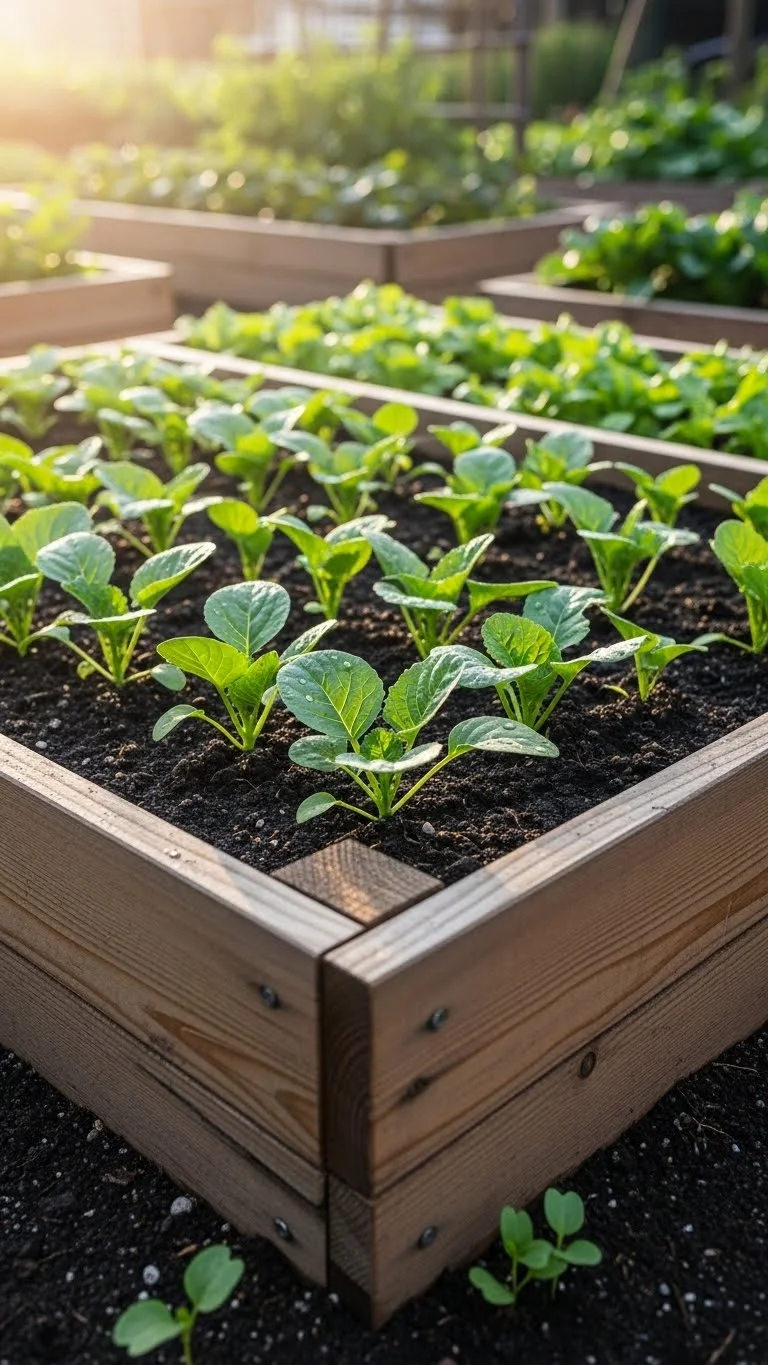
Raised beds give plants a comfortable place to grow. They warm up faster, drain better, and keep soil from getting compacted. You don’t have to buy expensive kits. Scrap lumber or reclaimed bricks work fine as long as they’re safe and untreated. Fill the bed with a mix of garden soil, compost, and organic matter. Keep the bed narrow enough so you can reach the middle without stepping inside. This keeps the soil loose and easy to work. Water less often by topping the soil with mulch. Add simple corner stakes to keep the shape steady. Start with one bed and expand slowly if you like the setup. It’s an easy way to stay organized and grow more in a small space.
- Use a Grid Layout
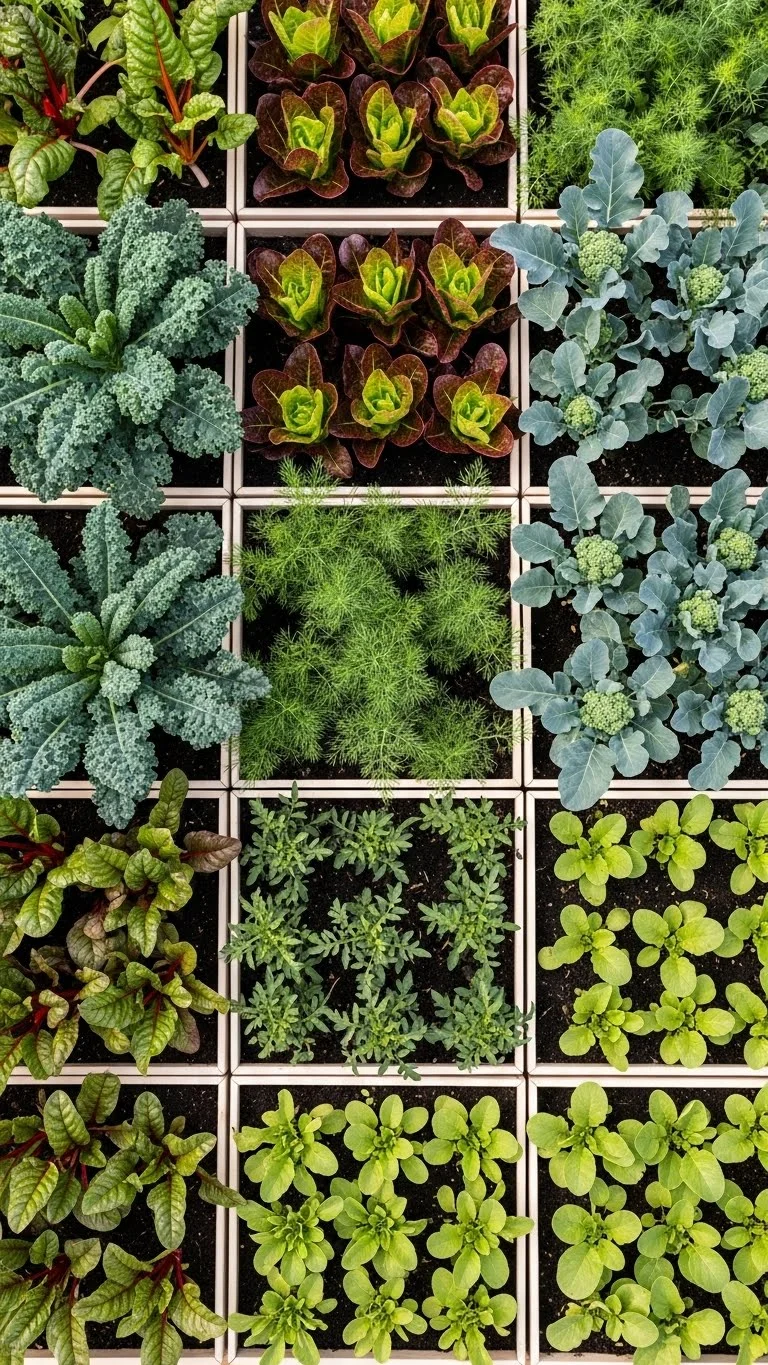
A grid layout helps keep spacing simple. You can create it with twine, thin wood, or even stretched sticks. Mark out squares and plant veggies according to their mature size. This reduces crowding and makes watering more even. It’s also great for quick crop rotation because each square acts like its own little zone. You’ll waste less seed and have fewer empty spots. When something finishes early, replace only that square instead of reworking the whole bed. This method works well for leafy greens, herbs, root crops, and bush beans. It’s also handy if you want your garden to stay tidy with little effort.
- Build Cheap DIY Trellises
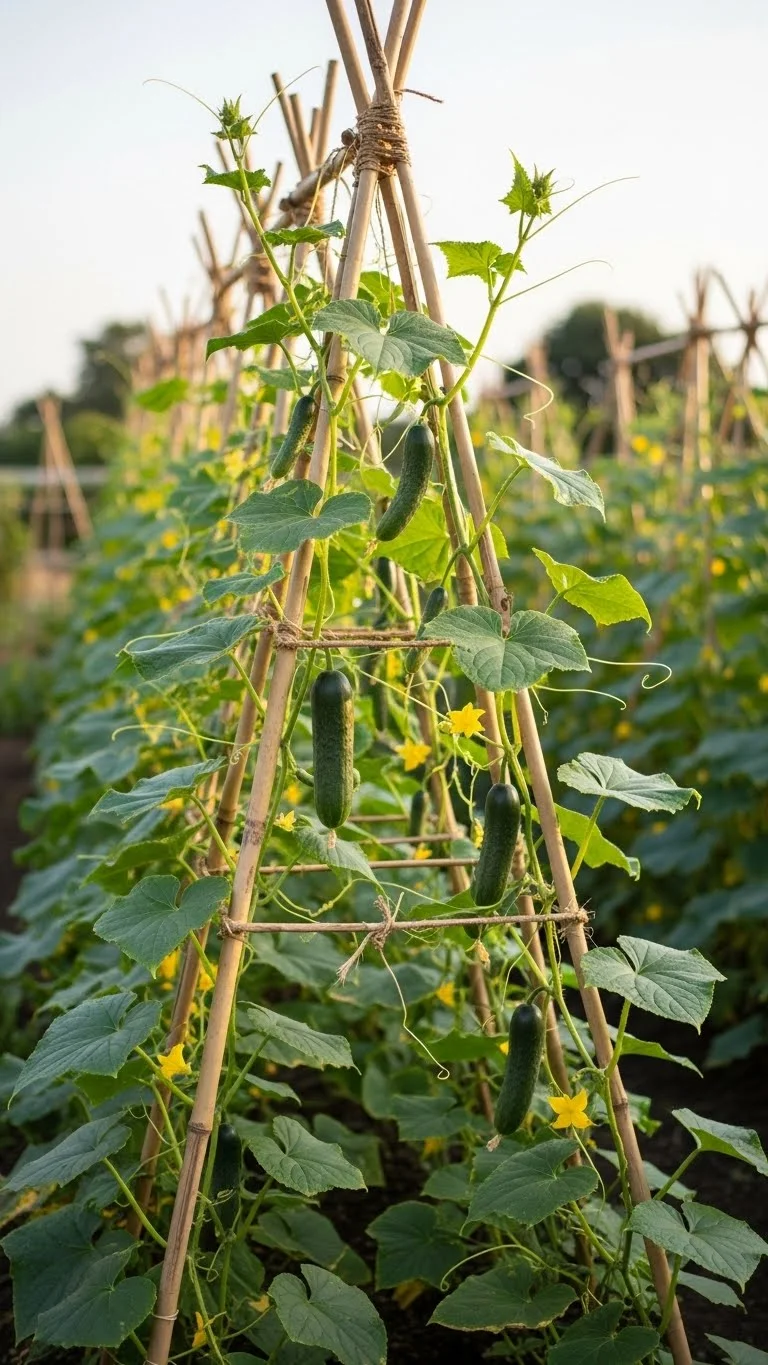
Trellises help plants grow upward so you save ground space. You can make one with bamboo poles, scrap wood, or metal rods. Tie them together with strong twine and anchor the frame deep in the soil. Vertical growing keeps fruit cleaner and easier to pick. It’s perfect for cucumbers, pole beans, peas, and vining squash. Add a few horizontal crossbars to support heavier fruits. A simple A-frame shape folds and stores easily. This project costs very little, and you can tailor it to your garden size.
- Start Seeds in Recycled Containers
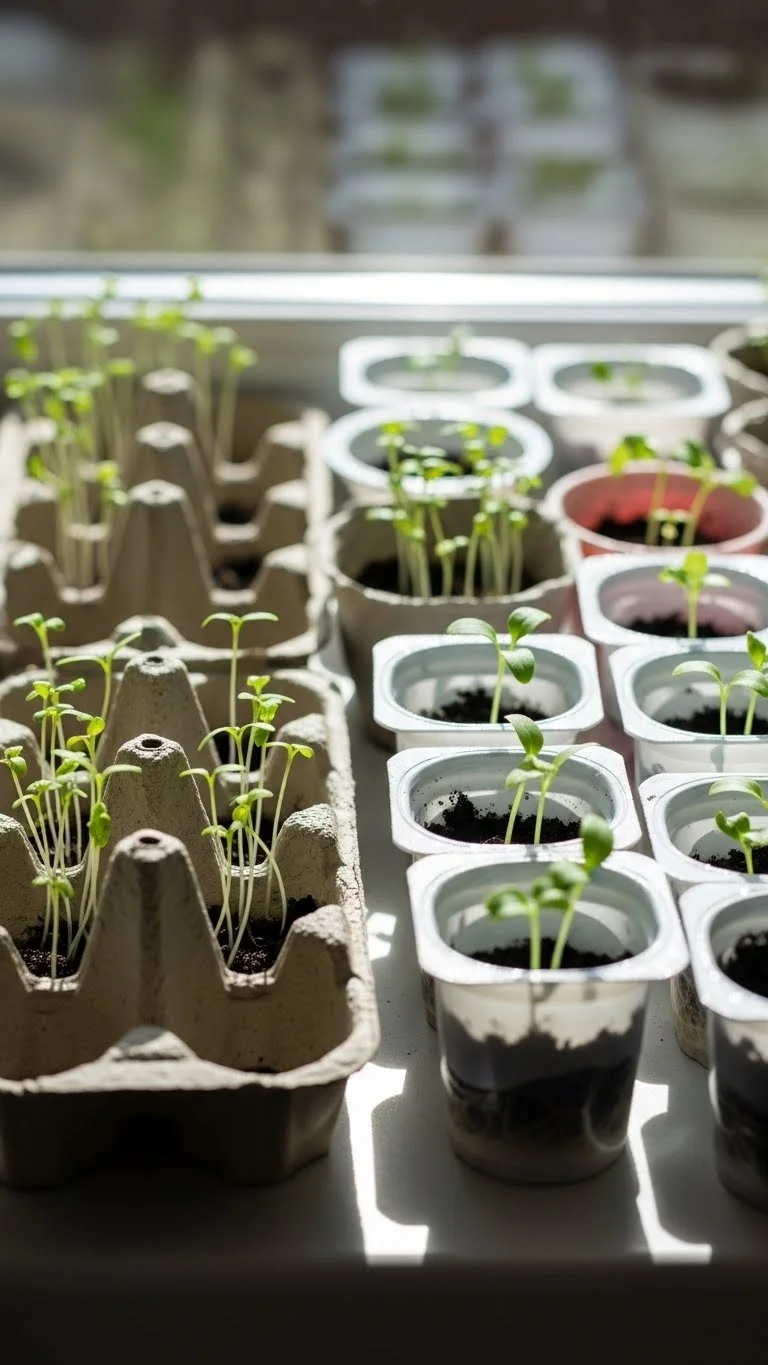
You can start a whole tray of plants for almost no money. Save egg cartons, yogurt cups, and paper rolls. Punch tiny holes at the bottom for drainage. Fill with seed-starting mix and plant your seeds shallowly. Place the containers on a tray and keep them lightly watered. As the seedlings grow, move them outside to harden off. This method reduces waste and gives you more control over early growth. When planting time comes, transplant gently to avoid root shock. It’s a friendly way to stretch your budget and grow more varieties.
- Try Companion Plant Pairings
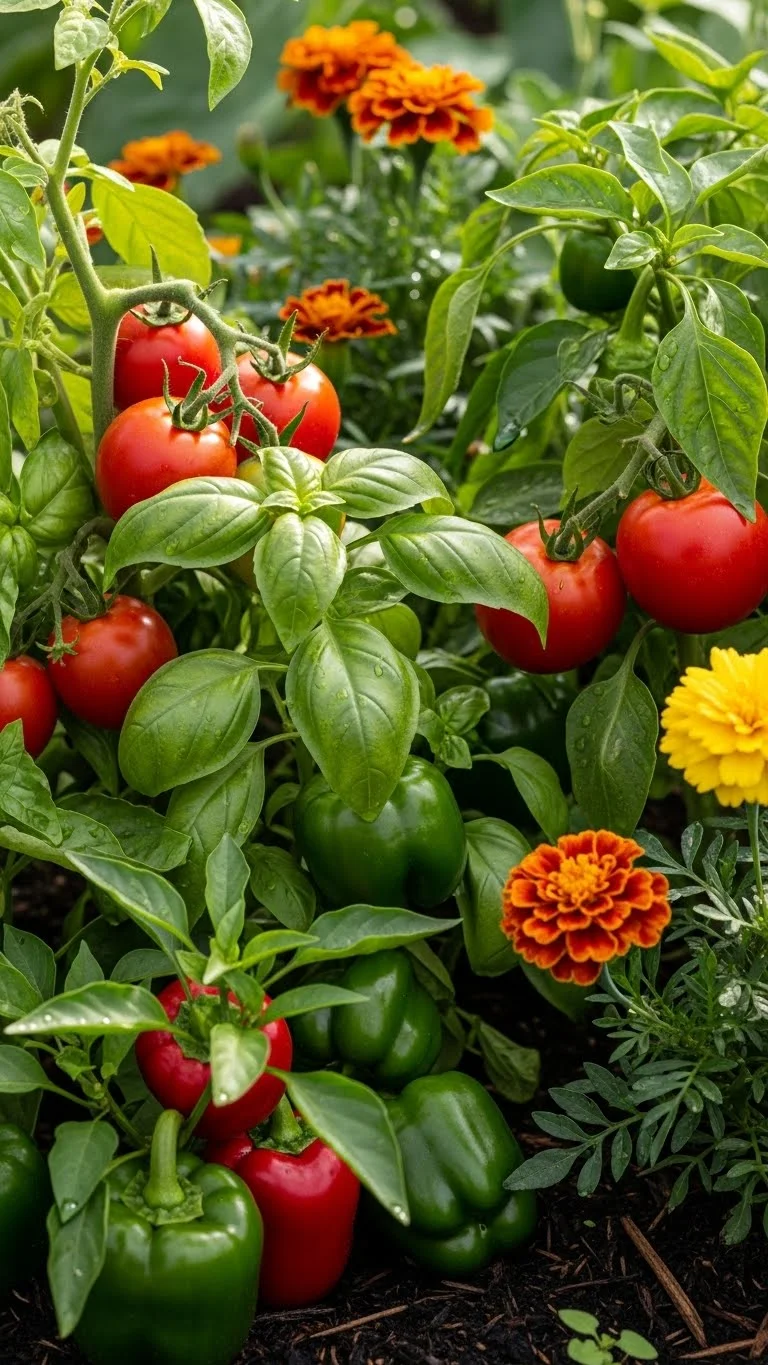
Some plants grow better when placed close to helpful partners. Tomato and basil pair nicely. Carrots grow well near onions because the scents help keep pests off. Mix herbs like dill or cilantro between larger veggies. This adds fragrance and variety while using space wisely. You don’t need charts or complicated plans. Just group plants with different shapes and growth habits so they don’t crowd each other. It keeps the garden lively and can help reduce problems.
- Mulch to Keep Soil Moist
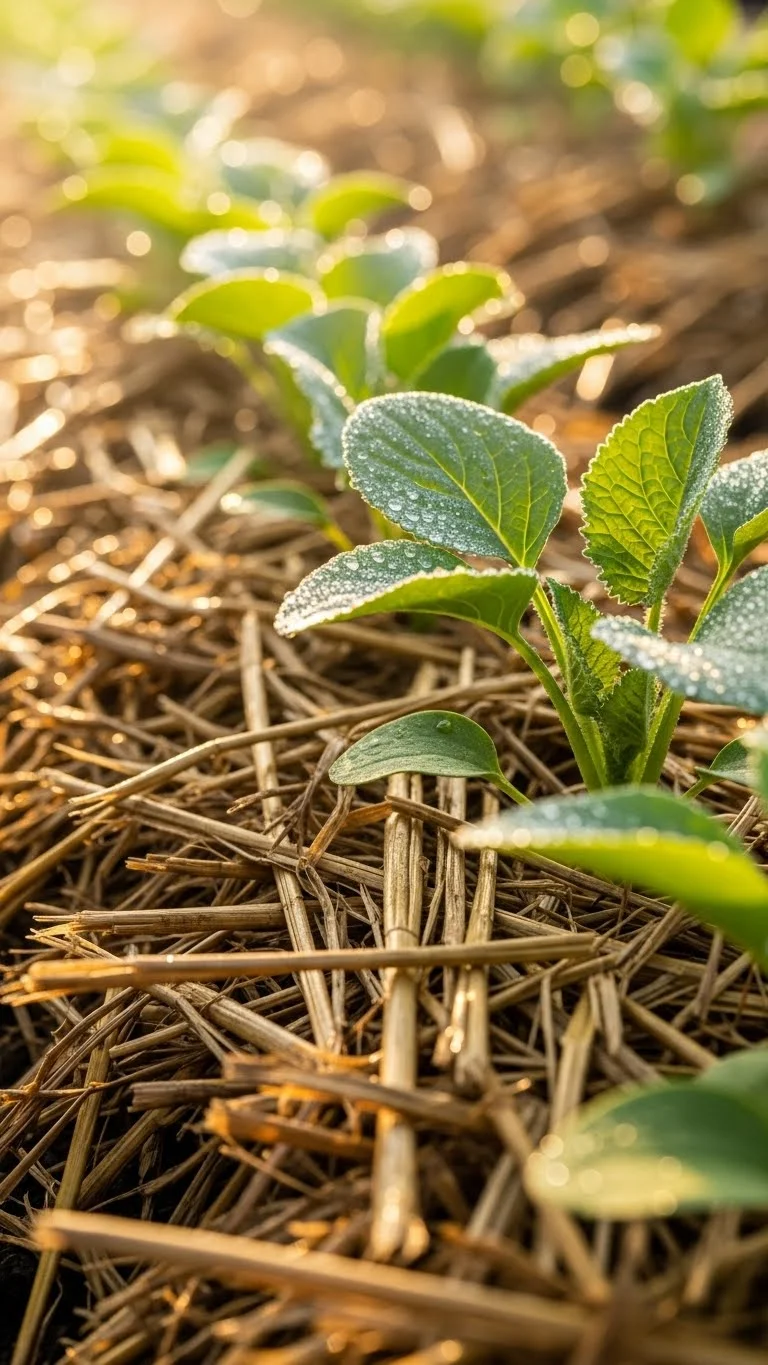
Mulch saves time and water. Straw, dry leaves, grass clippings, or shredded wood all work. Spread a thin layer around your plants, keeping it away from stems. This helps soil stay damp longer and keeps weeds small. Mulch also stops soil from splashing on leaves, which can reduce plant stress. You’ll water less and get cleaner vegetables. If your area is hot, add a bit more mulch during peak summer.
- Grow Fast Harvest Greens
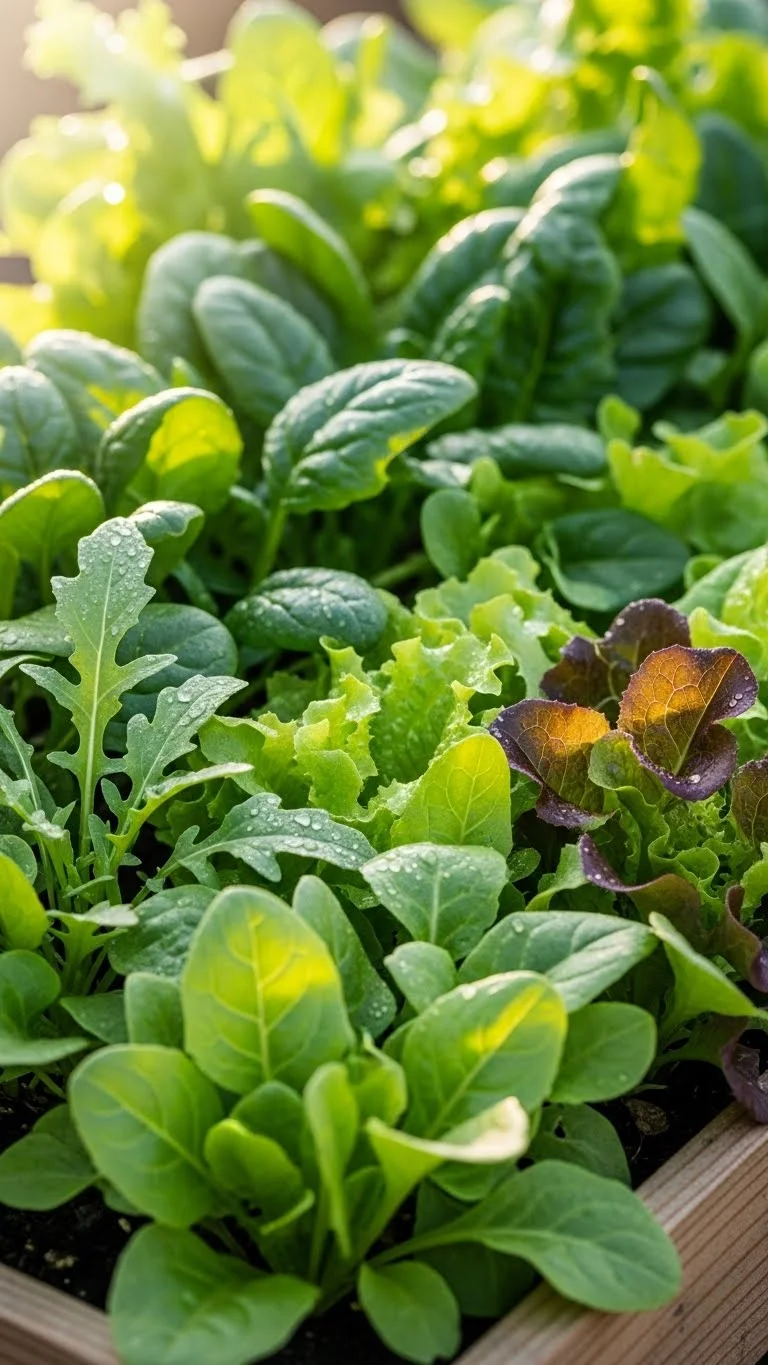
Some crops give quick results. Greens like lettuce, spinach, and arugula grow fast and don’t take much care. Sow the seeds in rows or scatter them thickly for cut-and-come-again harvests. Water lightly and often. They like cooler temps, so grow them early or late in the season. These greens let you fill empty spaces between bigger plants. They also keep your garden productive even when other crops take longer.
- Plant in Staggered Waves
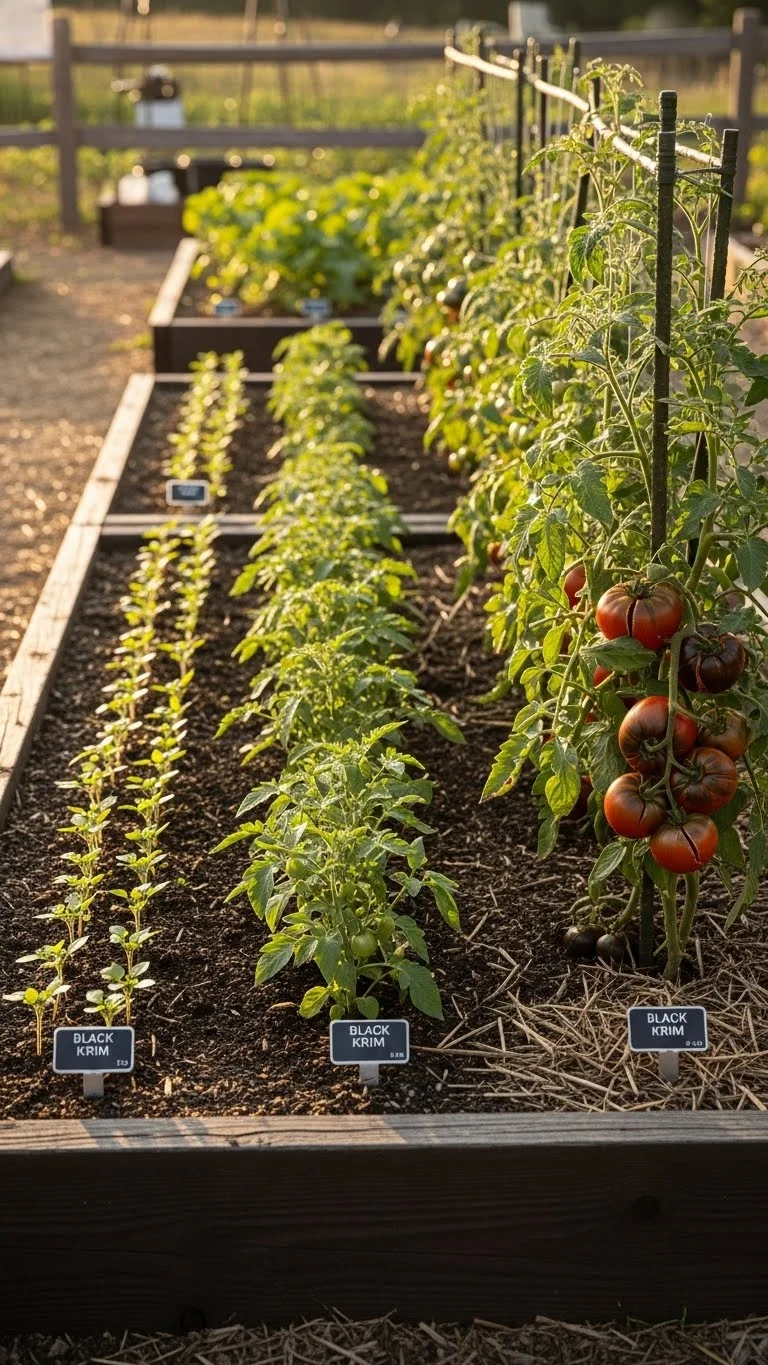
Instead of planting everything all at once, plant a little every week or two. This avoids a huge harvest all at the same time. It works great for lettuce, radishes, beans, and carrots. Staggered planting keeps your garden active and spreads the workload. It also reduces the chance of losing everything to a sudden weather swing. Mark planting dates on small tags so you remember when each row went in.
- Add Simple Drip Watering
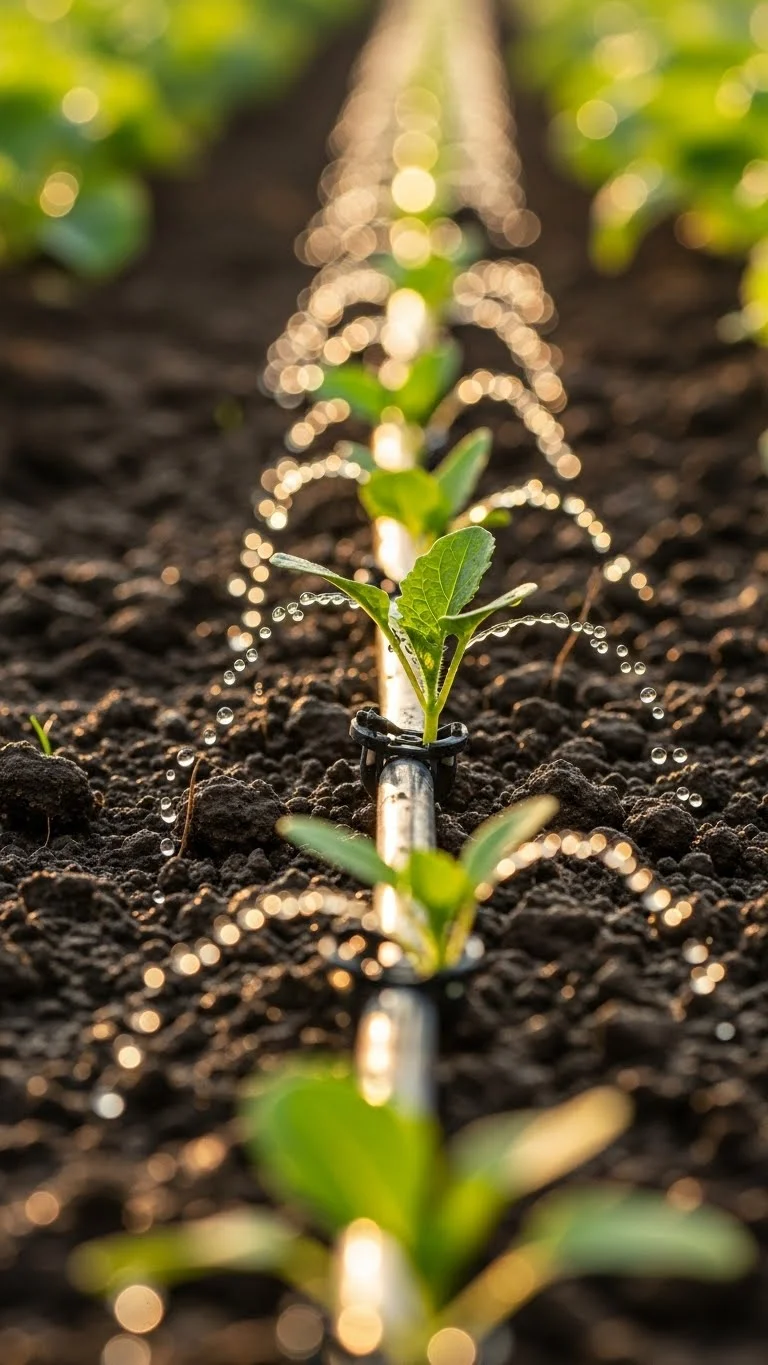
A drip line waters slowly at the roots. You can set one up with basic tubing from any hardware store. Or poke tiny holes in an old hose for a DIY version. Drip watering saves water and prevents wet leaves, which can help keep plants comfortable. Place the line near each plant’s base. Combine it with mulch for even better results. If you’re busy or forgetful, this method helps keep your garden consistent.
- Use Compost as Top Dressing
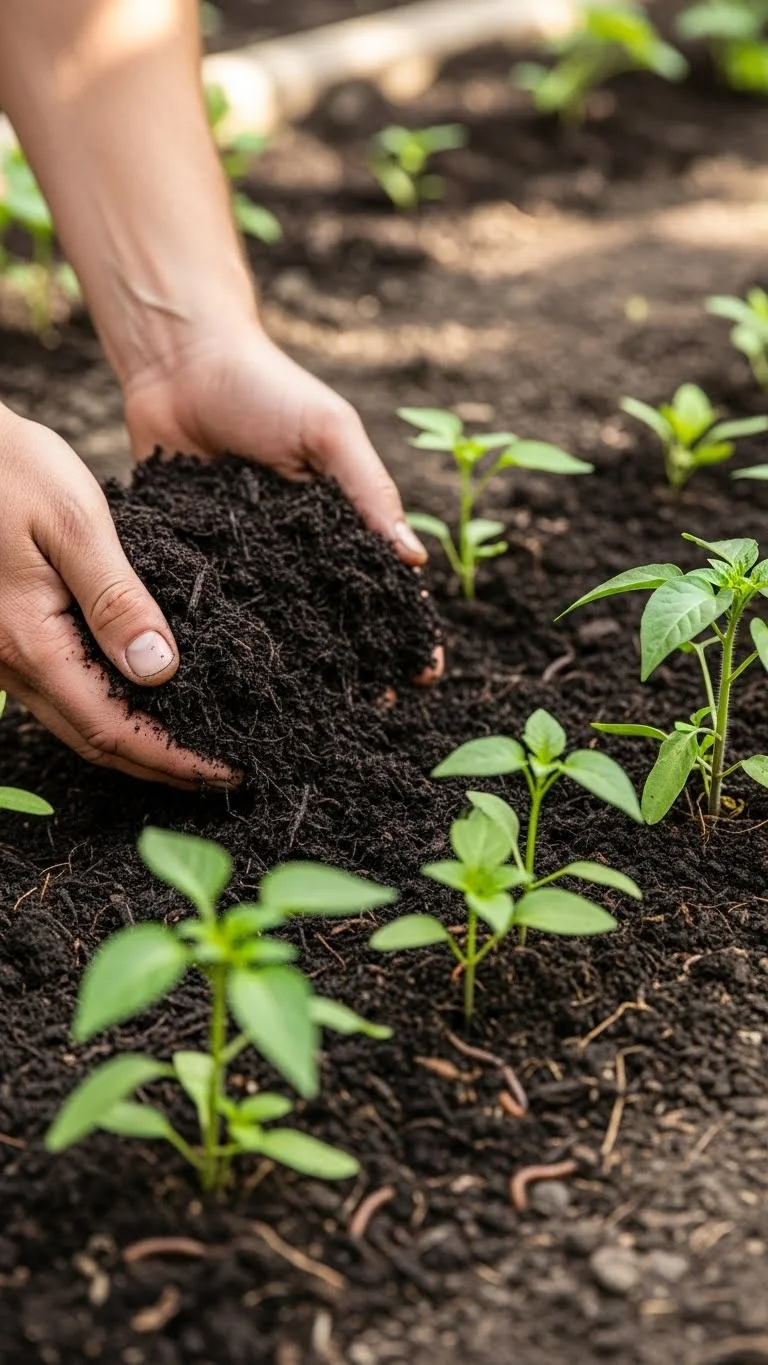
Compost improves soil naturally. Add a thin layer around your plants during the season. Worms will pull it down and mix it into the soil. You don’t need to till. You can make compost from kitchen scraps, leaves, and grass. It’s cheap, simple, and keeps soil crumbly. Apply a little every few weeks to feed plants gradually. Your garden stays active without complicated products.
- Try Portable Containers
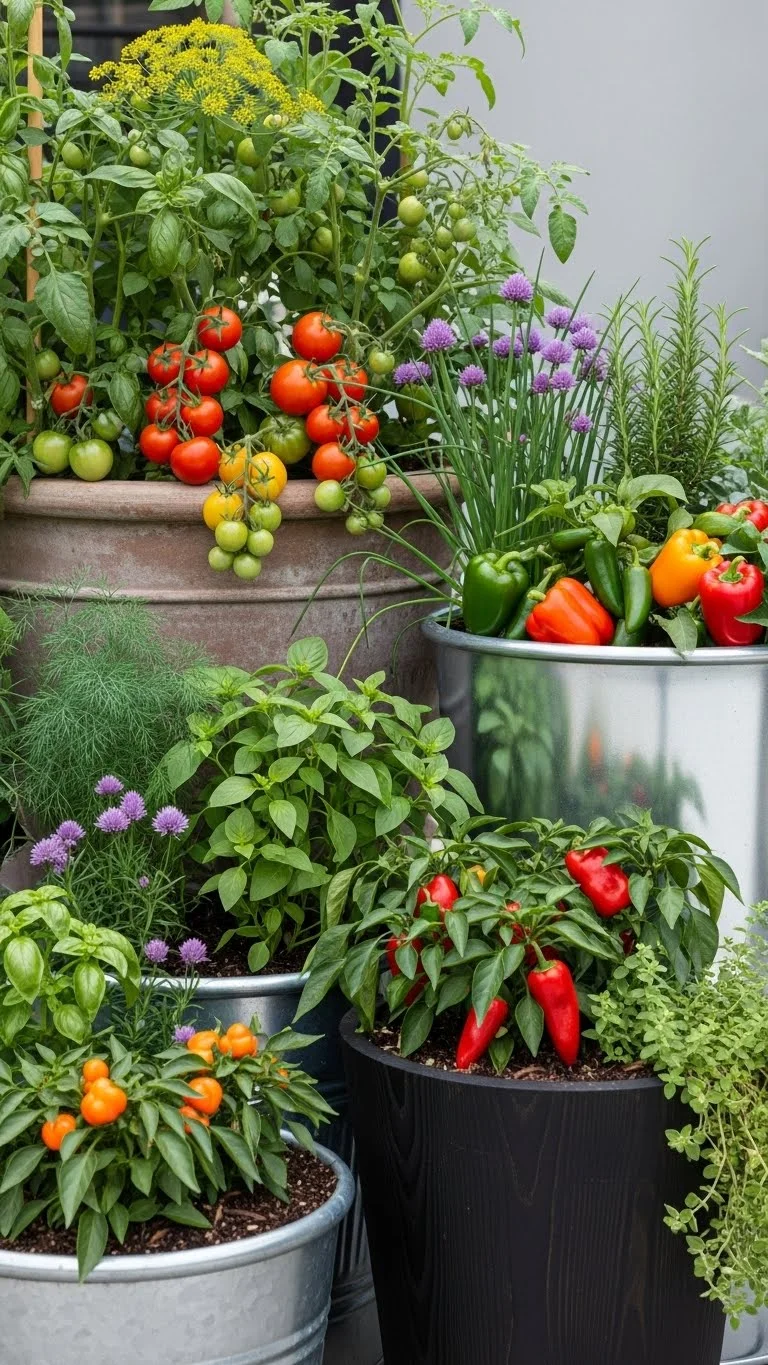
Containers let you grow anywhere. Buckets, fabric pots, and crates all work. Make sure each one has drainage holes. Fill with quality soil and place them where they get good sun. Containers warm fast and are easy to move if the weather shifts. They’re great for patios, balconies, or small yards. Water often because containers dry out quickly. Add wheels or trays if you need mobility.
- Mix Flowers With Vegetables
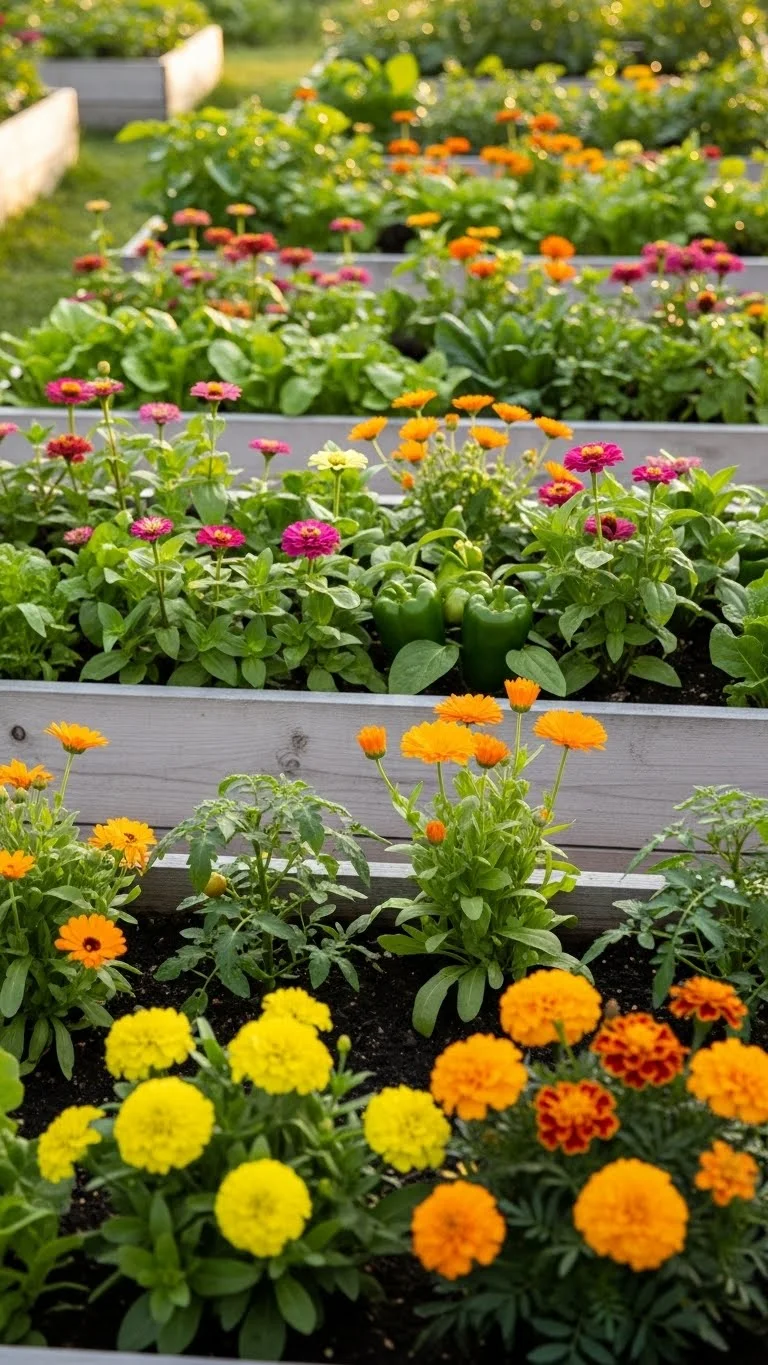
Flowers bring color and add a lively feel to the garden. They also bring bees and other helpful insects. Plant marigolds between tomatoes or calendula among greens. This makes your garden feel full and balanced. You don’t need a separate flower bed. Just tuck a few blooms in empty corners. The mix creates a pleasant space that’s good for your vegetables too.
- Use Shade Cloth in Hot Weather
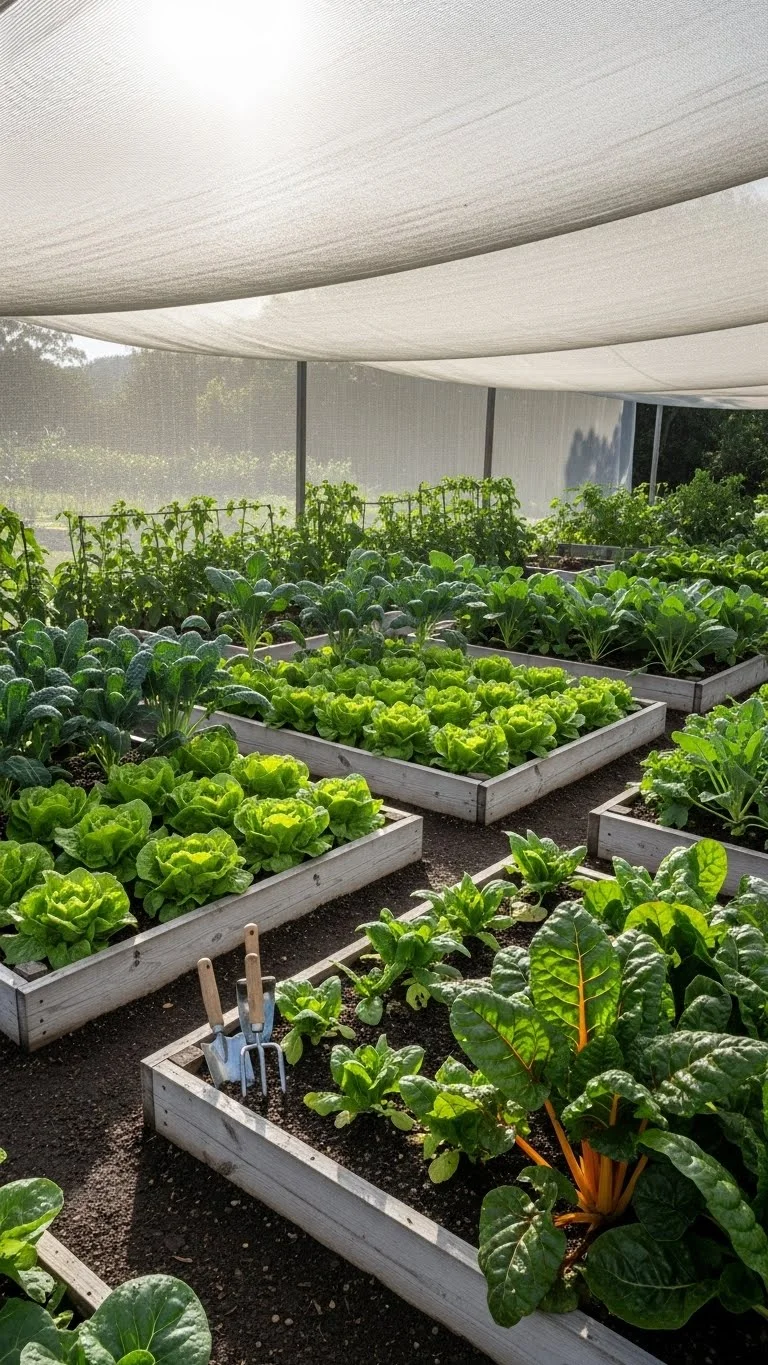
When the sun gets intense, some vegetables struggle. A simple shade cloth helps keep them comfortable. You can attach it to stakes or clip it to a frame. Use it during peak heat for lettuce, peas, or young seedlings. This keeps leaves from drooping and helps soil stay cool. Shade cloth is reusable and inexpensive. Store it rolled up when not needed.
- Create Narrow Pathways
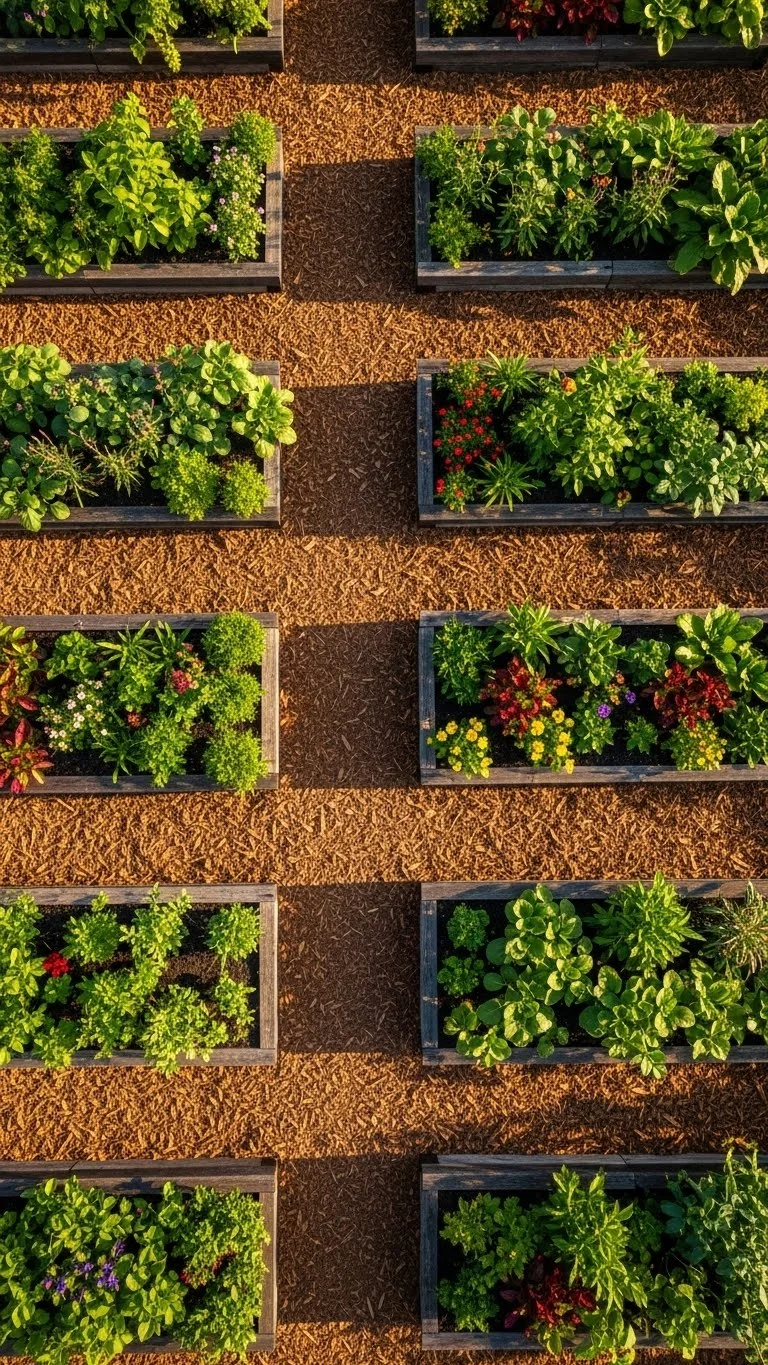
Wide paths waste growing space. You only need enough to walk through comfortably. Keep pathways narrow and cover them with mulch, wood chips, or gravel. This prevents weeds and gives you more room for plants. If you want things extra neat, edge the paths with wood strips or stones. This small layout change can help you fit more crops into the same space.
- Grow Herbs Between Rows
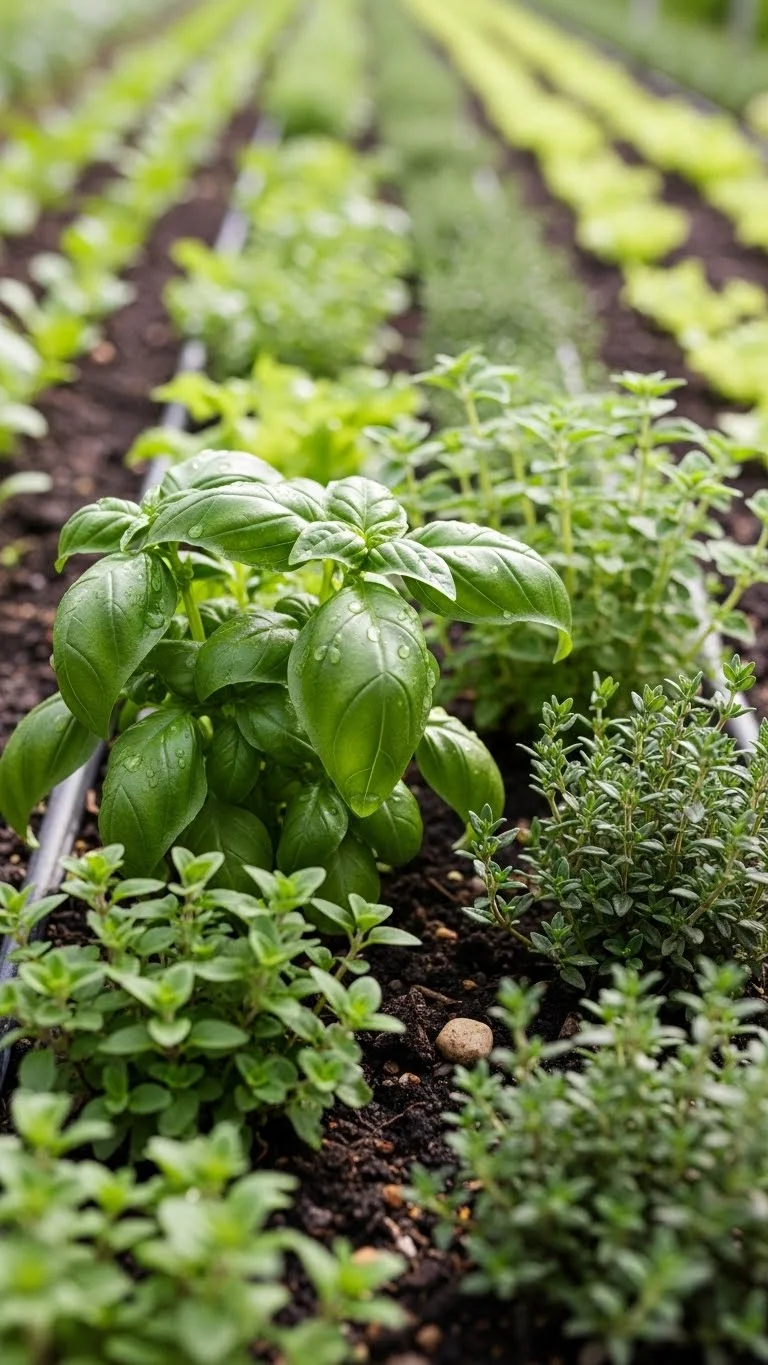
Herbs don’t take much room and smell great. Plant them between larger crops to use every bit of space. Basil fits between tomatoes. Thyme works along the edges. Oregano spreads gently. Herbs also attract pollinators and can help with scent confusion for pests. Trim them often to keep them tidy and bushy. They thrive with little extra effort.
- Try Quick-Growing Root Vegetables
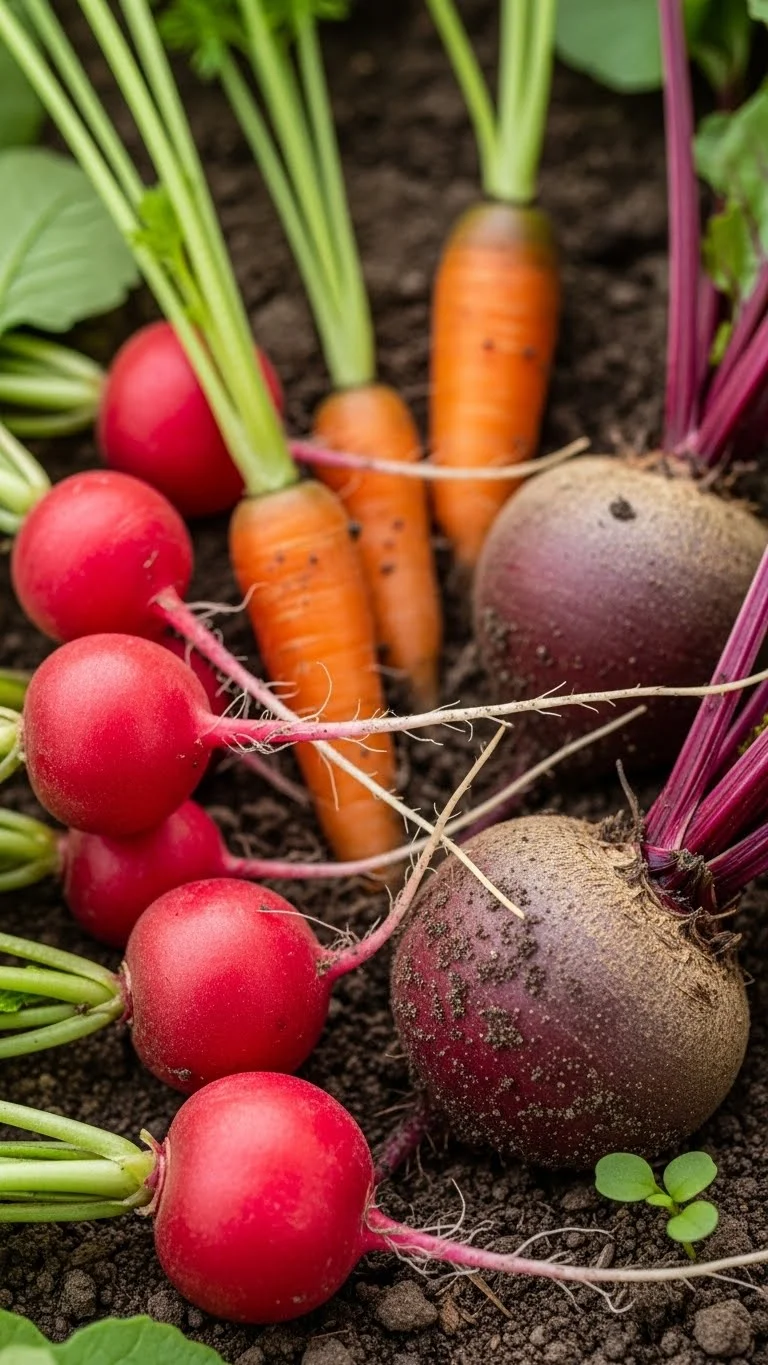
Radishes, carrots, and beets grow fast and fill gaps nicely. Sow them directly into the soil. Keep the surface loose and slightly damp. They mature quickly, giving you repeat harvests. These crops don’t require much fuss. Plant them between slower plants like cabbage or peppers. When they finish, replant the space with more seeds.
- Add Simple Row Covers
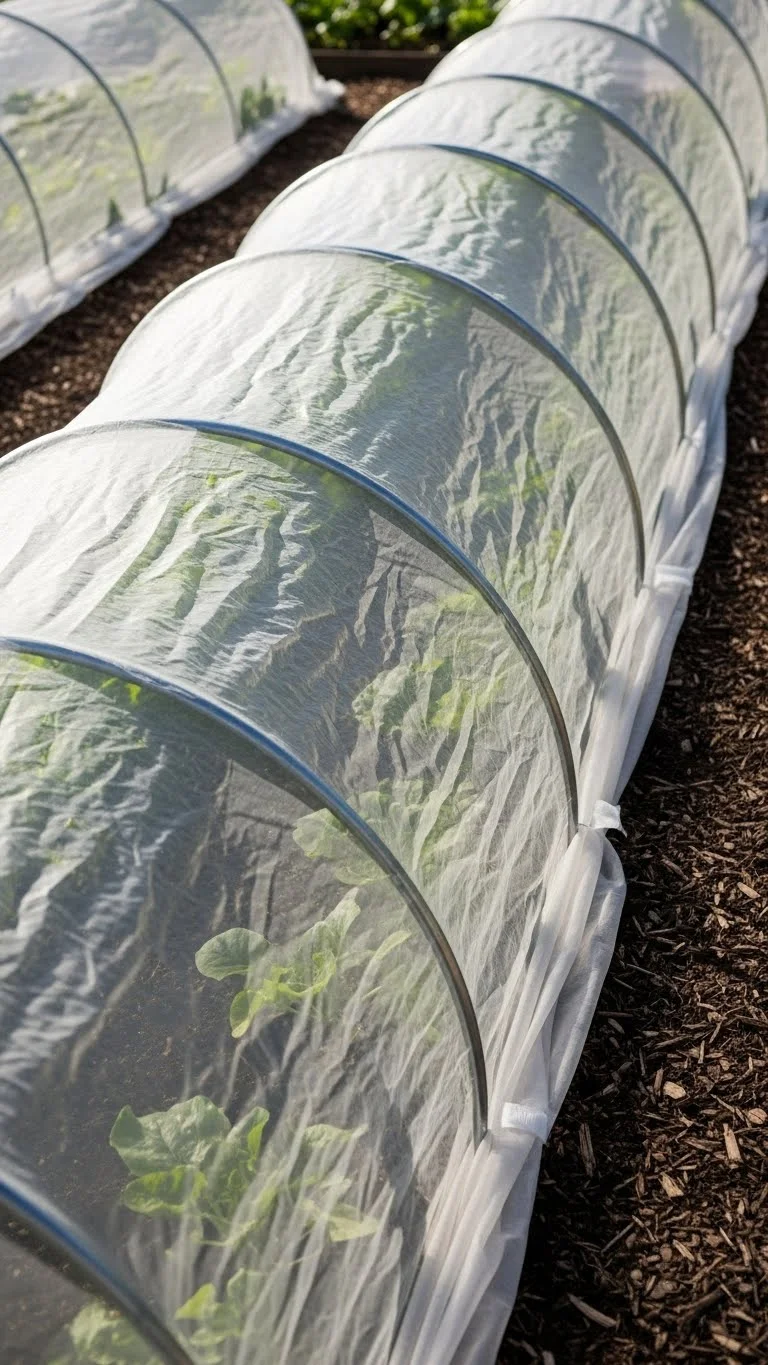
Row covers protect young plants from insects and harsh weather. You can create hoops with PVC or wire and lay fabric over them. Clip the edges with cheap clamps or weigh them down with rocks. This gives plants a cozy start without much extra effort. Remove the cover once plants grow strong and sturdy. It’s a budget-friendly way to get earlier harvests.
- Create a Compost Station
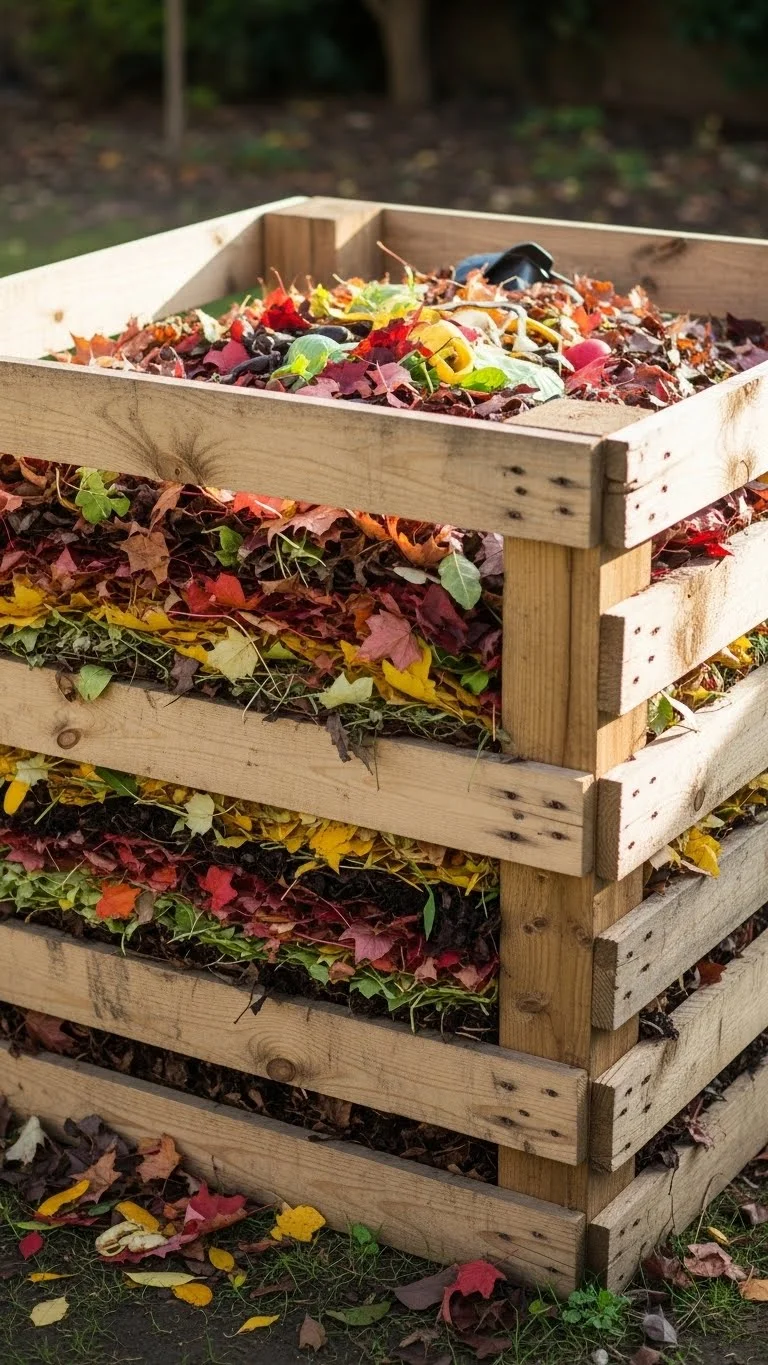
A compost station doesn’t have to be fancy. Use wooden pallets, wire mesh, or stacked bricks. Toss in kitchen scraps, yard waste, and dry leaves. Turn it every few weeks. Over time, you’ll build a steady supply of compost for your beds. It saves money, reduces waste, and keeps your soil healthy. Keep the bin near your garden for easy access.
- Grow Vertical Potatoes
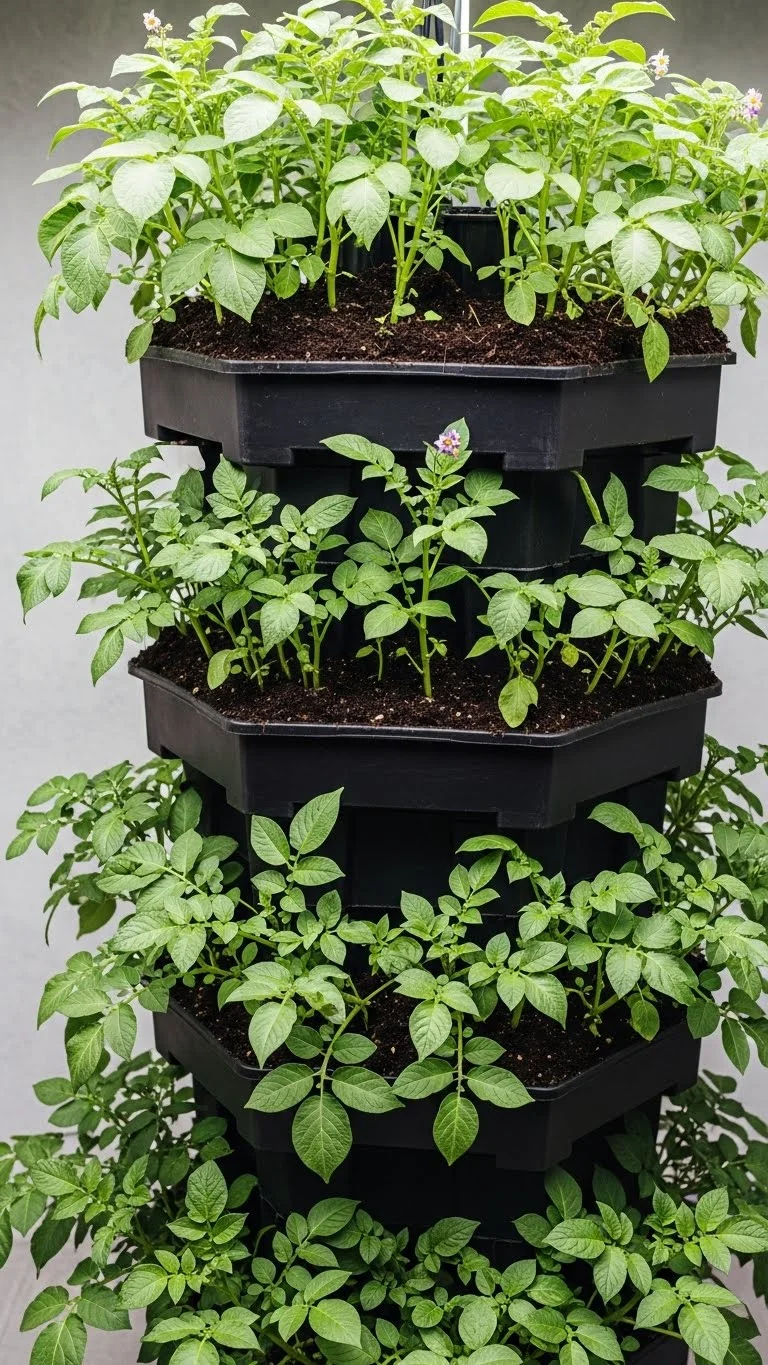
Potatoes grow well in tall containers. Start with a small layer of soil and seed potatoes. As the plants grow, add more soil around the stems. This encourages more tubers. You can use buckets, bags, or wire fencing lined with straw. When it’s harvest time, just tip the container or pull the sides open. It’s clean and saves space.
- Use Reflective Surfaces for More Light
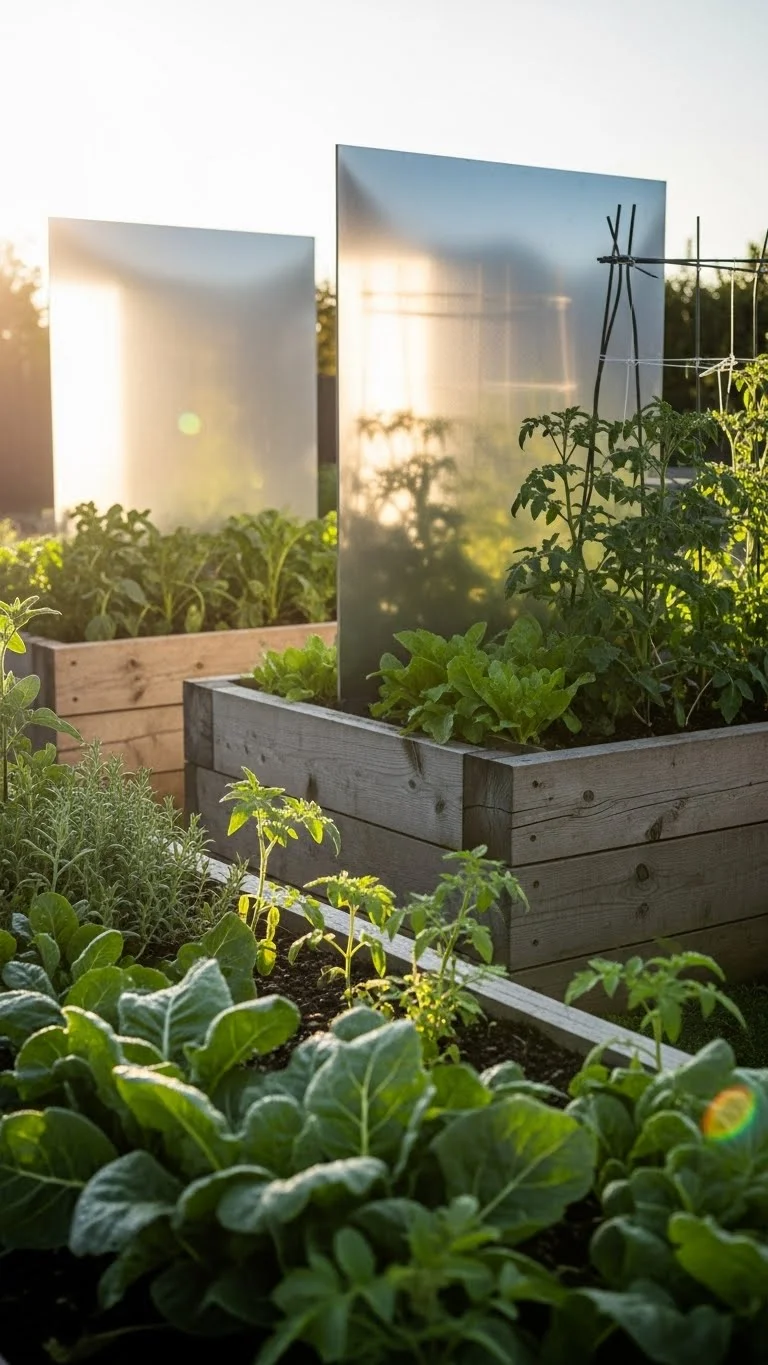
If your garden gets partial shade, add reflective surfaces. Old mirrors, white boards, or aluminum sheets bounce light toward your plants. Place them behind beds or along fences. This helps tomatoes, peppers, and greens grow stronger in dimmer spots. Keep the surfaces clean so they reflect well. It’s a cheap way to help plants thrive in tricky areas.
- Plant Dwarf Varieties
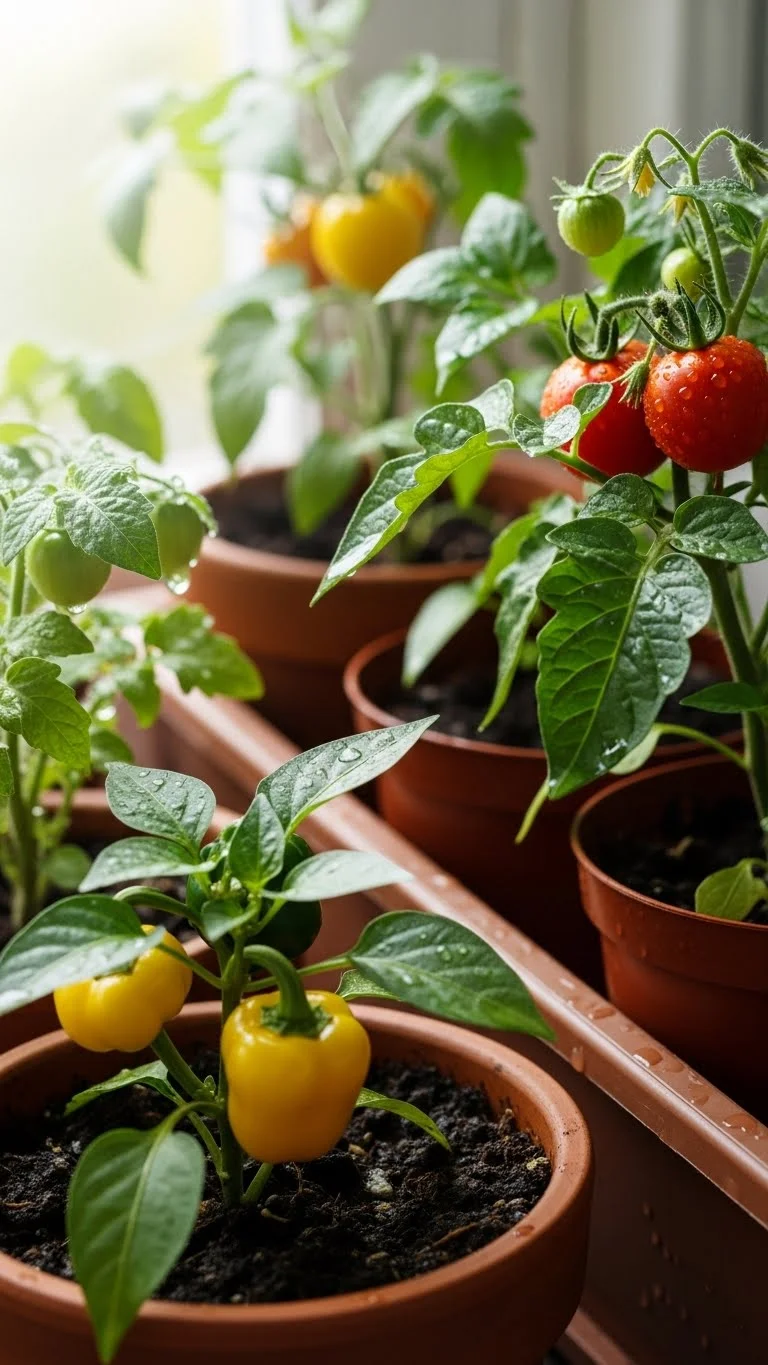
Dwarf plants take less space and are perfect for small gardens. Many seed packets offer compact types of tomatoes, peppers, and cucumbers. They stay bushy and manageable. Plant them in containers or tight rows. They’re easier to stake and water. Because they stay small, they fit well near doorways or patios. These varieties give steady harvests without sprawling vines.
- Save Rainwater
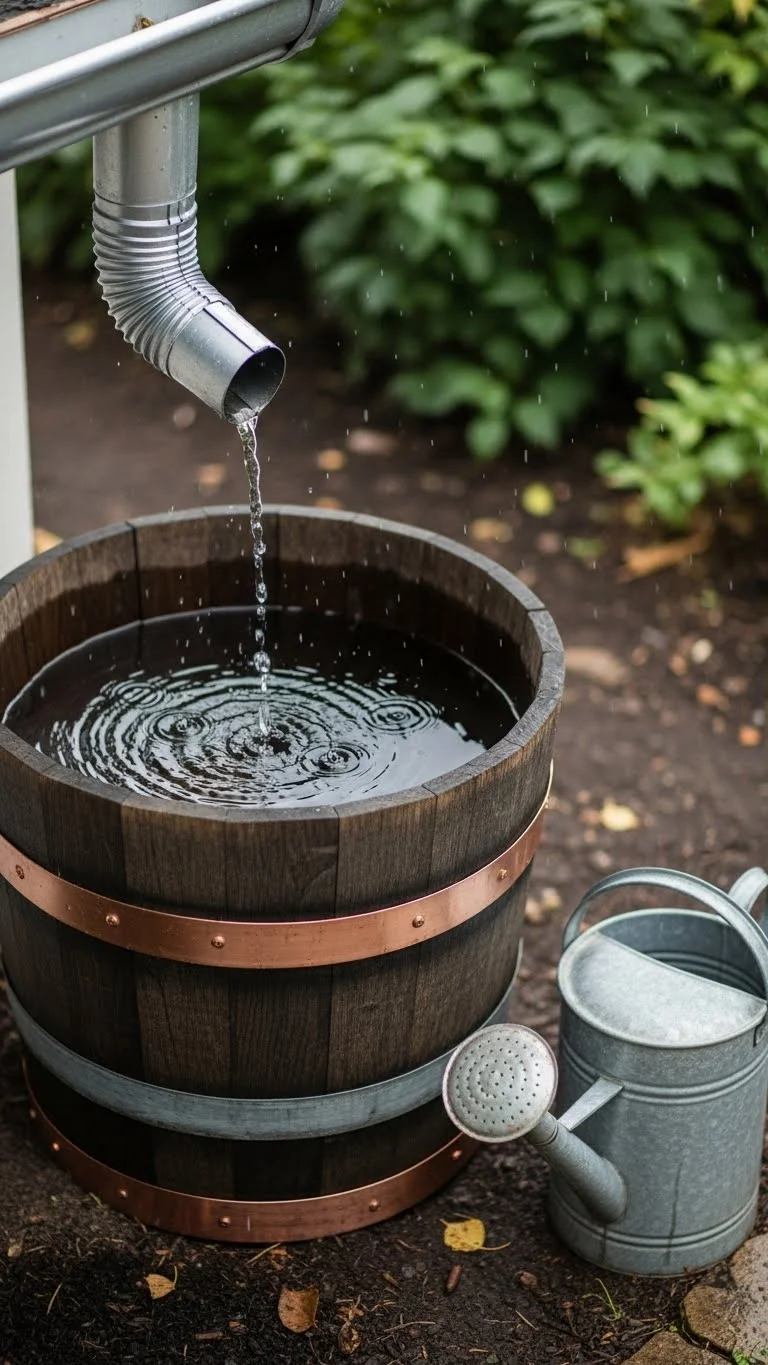
Collecting rainwater is simple and budget-friendly. A barrel placed under a downspout fills quickly. Use a screen on top to keep debris out. Fill watering cans from the spigot at the bottom. Rainwater is gentle on plants and free. Set up more than one barrel if you have space. It helps keep your water bill low during dry weeks.
- Grow Heat-Loving Crops Along Walls
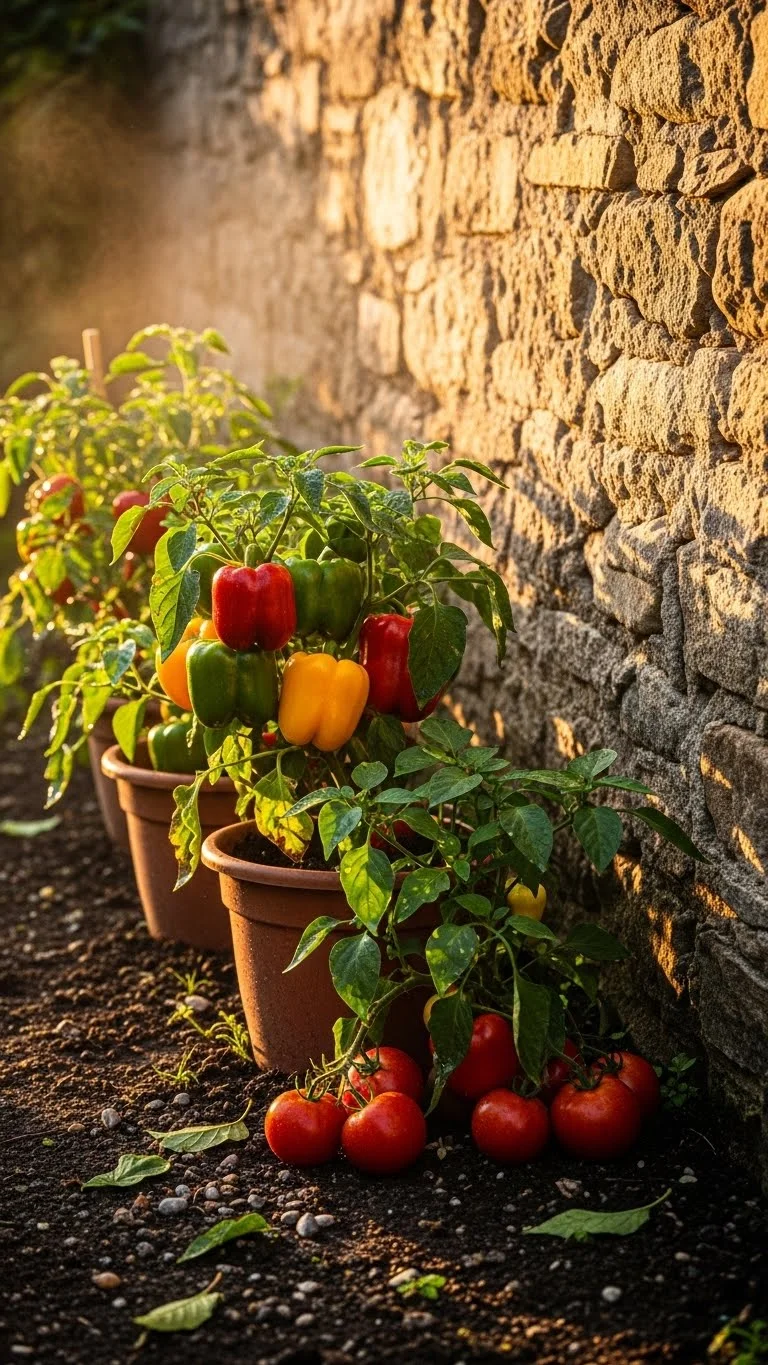
Walls absorb and release warmth. Plant tomatoes, peppers, or eggplants along sunny walls. They enjoy the extra warmth and stay protected from wind. Use stakes to keep plants upright. The wall also helps reduce temperature swings at night. This trick works especially well in cooler areas. You’ll get steady fruit and a tidy layout.
- Add a Mini Greenhouse
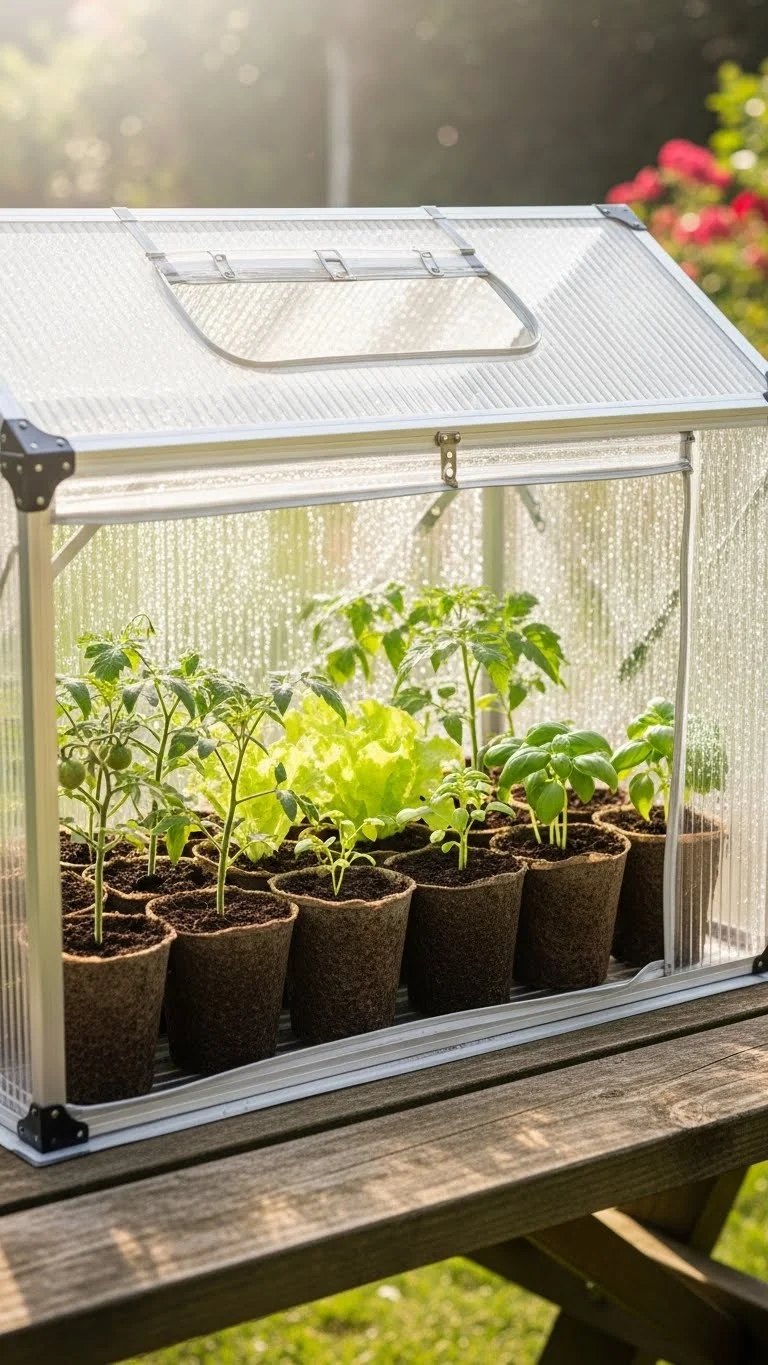
A mini greenhouse helps you start plants early. You can buy a small kit or build one with scrap wood and clear plastic. Place it where it catches morning sun. Use it for seedlings or herbs. It stays warm even when the weather shifts. Open the door on warm days to let heat escape. It’s handy and doesn’t take much room.
- Harvest Often
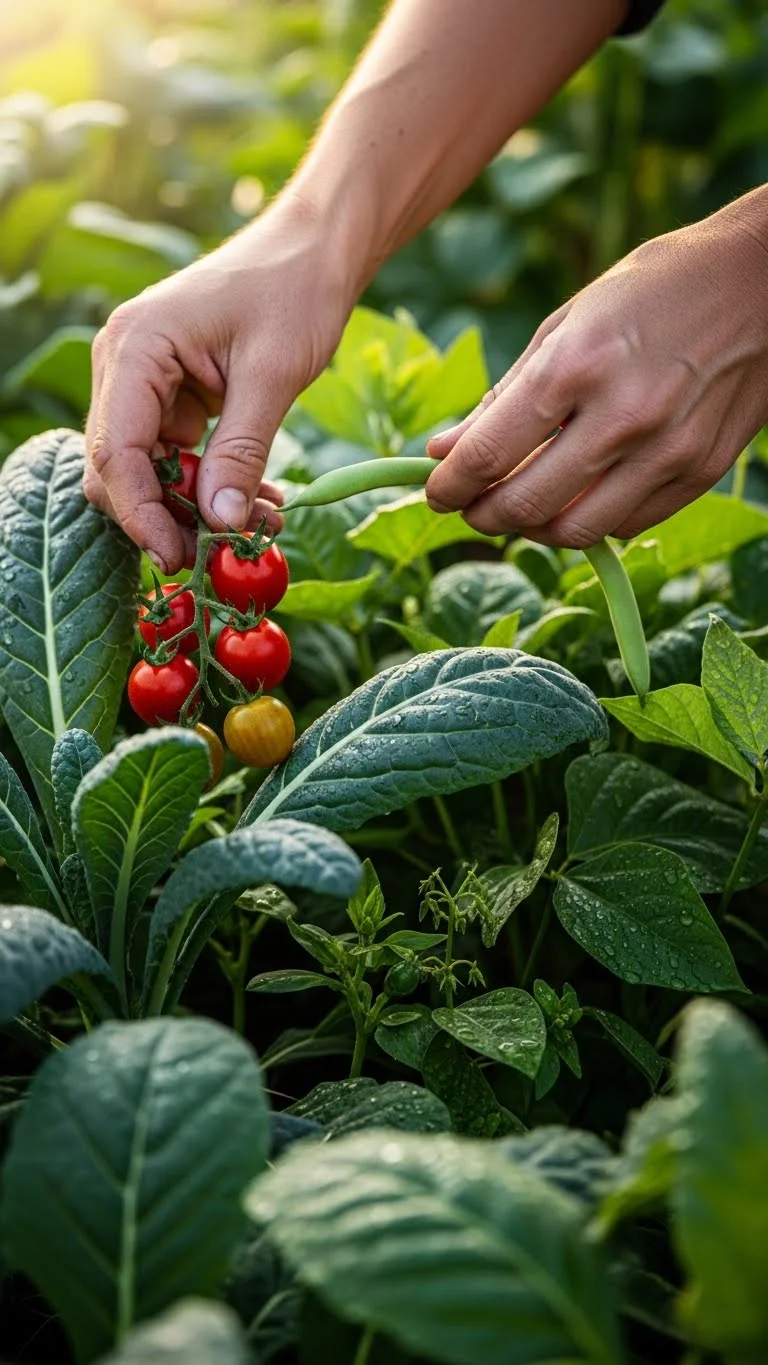
Picking vegetables often encourages plants to produce more. Beans, cucumbers, and greens respond best. Visit the garden daily and collect anything that’s ready. Bring a small basket so it feels simple. If you let veggies get too large, plants slow down. Regular harvests keep plants active and tidy. It’s one of the easiest habits that leads to more food.
- Keep a Simple Garden Notebook
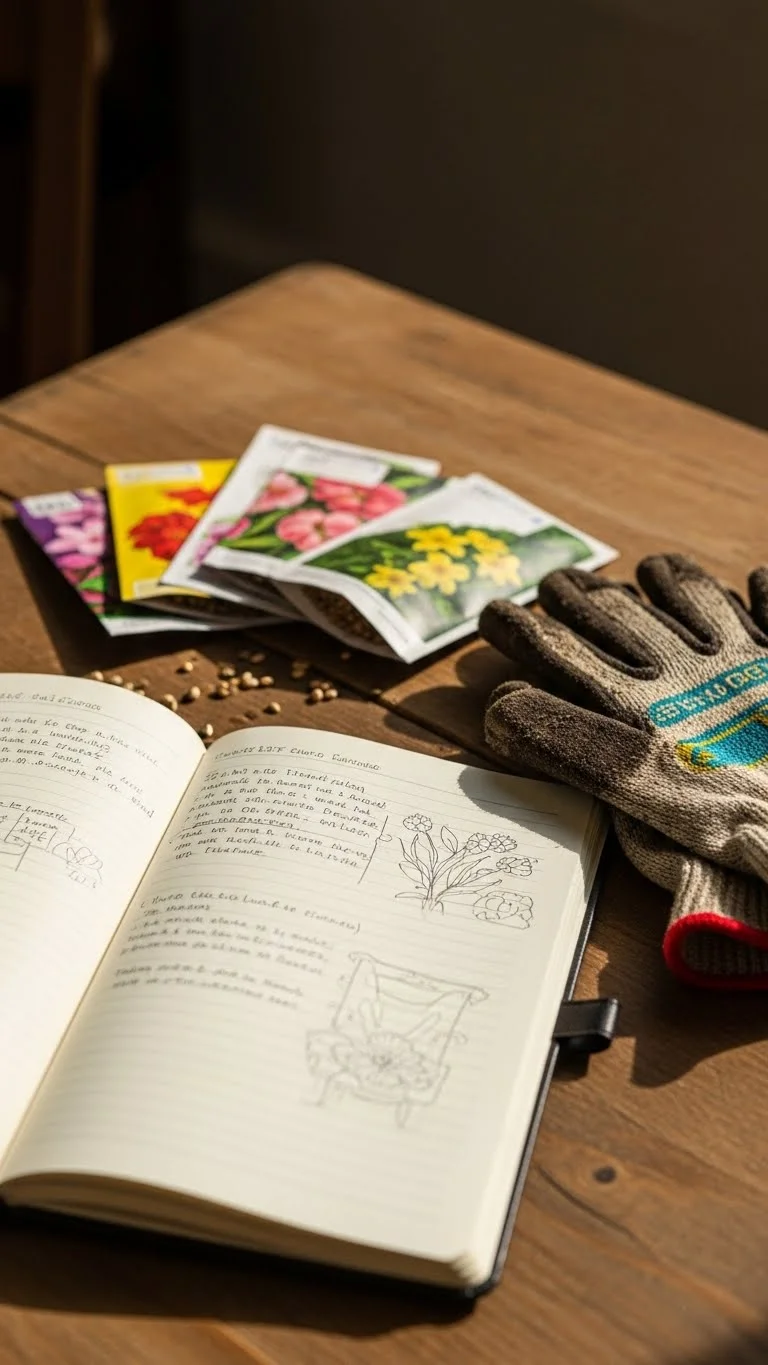
A small notebook helps you stay organized. Write down planting dates, varieties, and weather notes. You don’t need complicated charts. Just a few lines each week. This helps you remember what worked well and what didn’t. You can plan next year more easily. It’s a cheap and practical tool that supports your progress without adding stress.
Conclusion
A thriving vegetable garden comes from small, simple actions repeated over time. With these ideas, you can make your space more productive and enjoyable without expensive tools or complicated methods. Start with one or two changes, watch how your garden responds, and build from there. The more you experiment, the more confident you’ll feel—and the more food you’ll grow. Enjoy the process and let your garden grow with you.
