


22 Stunning Flower Gardening Ideas to Create a Colorful Yard
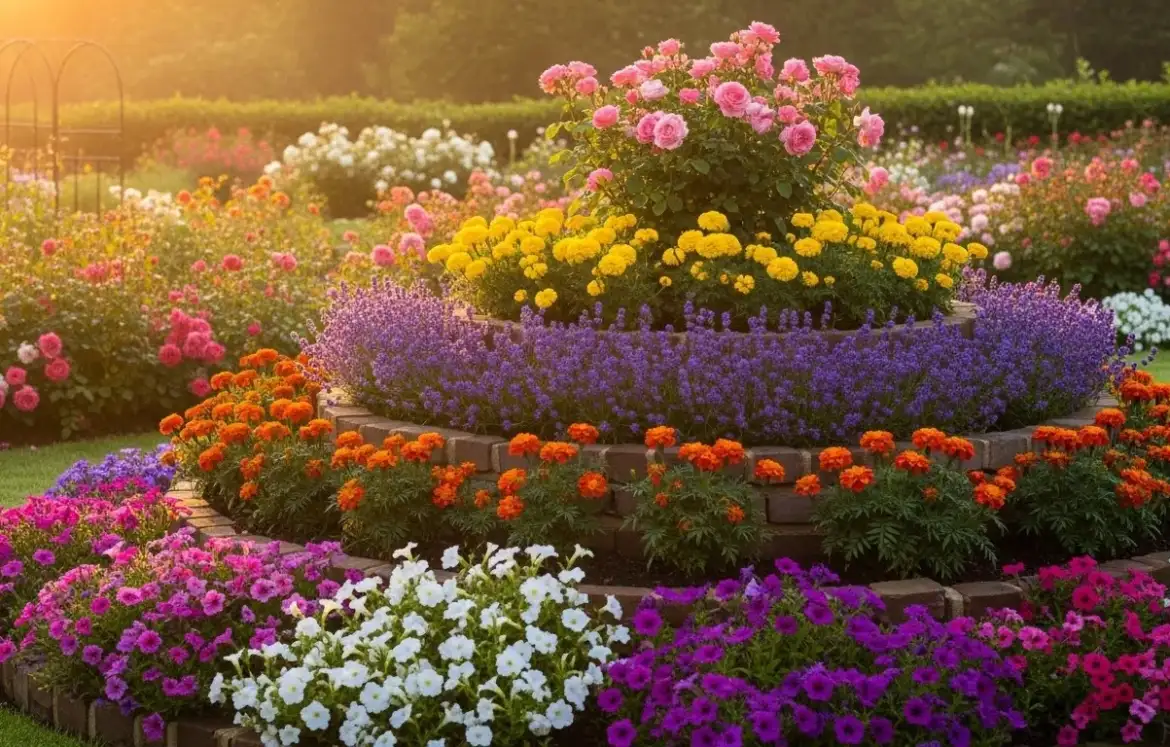
Creating a colorful yard doesn’t have to be complex or expensive. Simple changes like layering heights, mixing textures, or trying small DIY features can completely change the feel of your outdoor space. These ideas help you bring more color, charm, and life into your garden without overwhelming your weekend schedule or your wallet.
- Create a Rainbow Flower Border
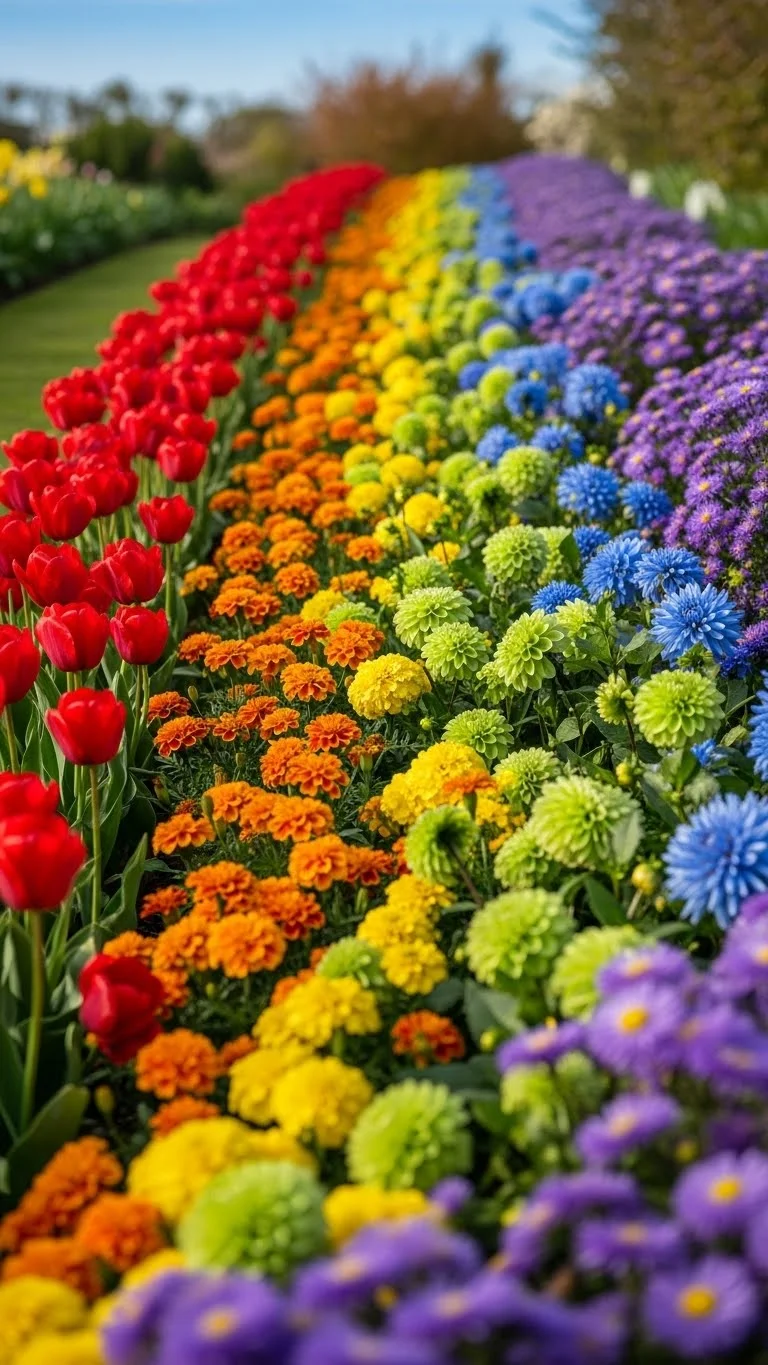
A rainbow border is an easy way to make your yard feel lively. Start by arranging flowers from warm to cool shades. Group similar hues together so the colors flow smoothly. Keep the plants low near the front and taller toward the back. This helps everything look tidy. You can start small with a three-color section. Add more as your space grows. Many flowers like zinnias and cosmos are cheap from seed. You can even mix in perennials so the area fills in each year. A border like this works along fences, walkways, or even the edge of a patio. Keep the soil loose and add compost if the ground feels hard. Water routinely, especially during dry spells. If you want a fuller look, tuck in a few trailing plants like lobelia along the edge for extra charm.
- Plant a Butterfly-Friendly Corner
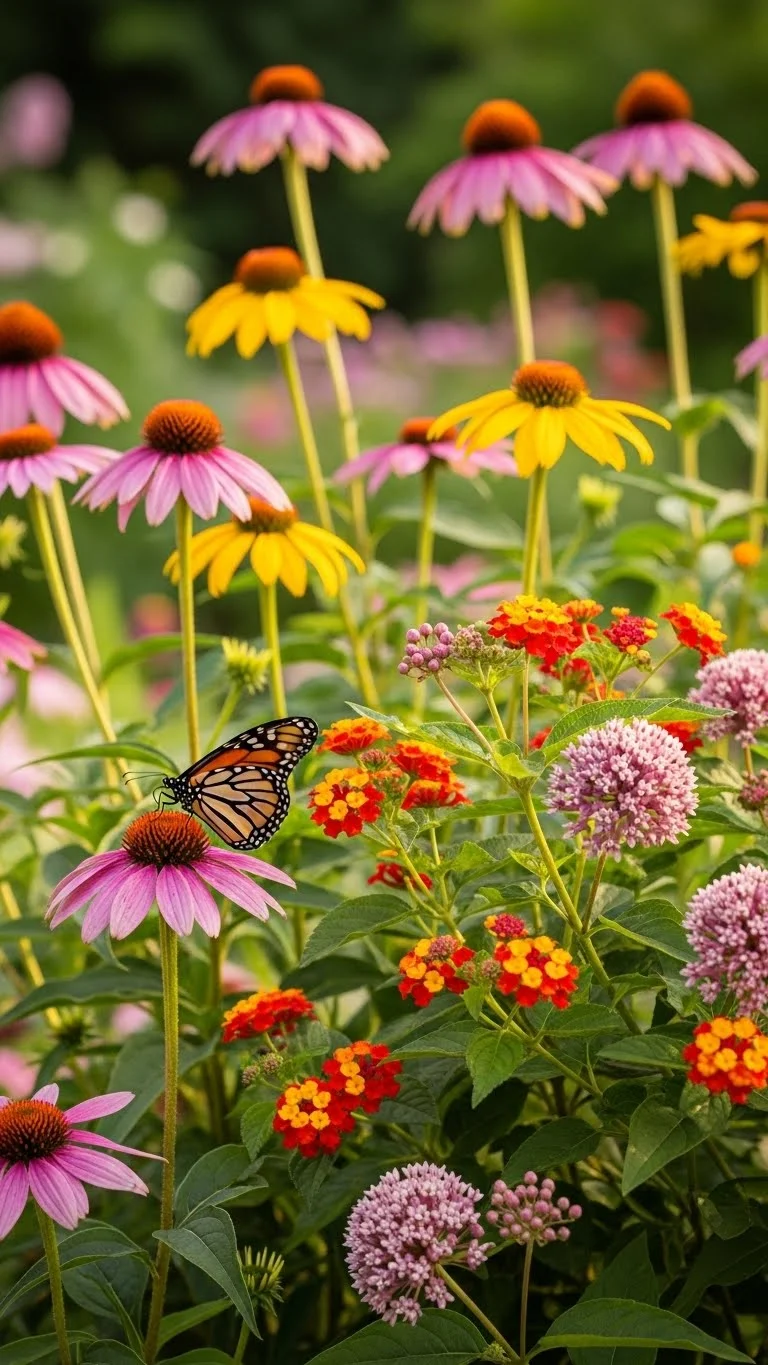
Creating a spot that attracts butterflies brings movement and bright color to your yard. Choose flowers with open, wide petals like coneflowers, zinnias, and lantana. These draw butterflies easily. Keep the area sunny because these pollinators love warmth. Add a shallow water dish with flat stones so they can land safely. Plant in clusters rather than single stems. This helps butterflies find the flowers quickly. You can start this corner in a container if you don’t want to dig. Seeds are usually the most affordable option. Keep the soil moist when the plants are new, then reduce watering once they settle. Avoid using chemical sprays because they can harm pollinators. Over time, this corner becomes a small wildlife haven. Kids especially enjoy watching the butterflies drift from bloom to bloom.
- Build a Simple DIY Flower Arch
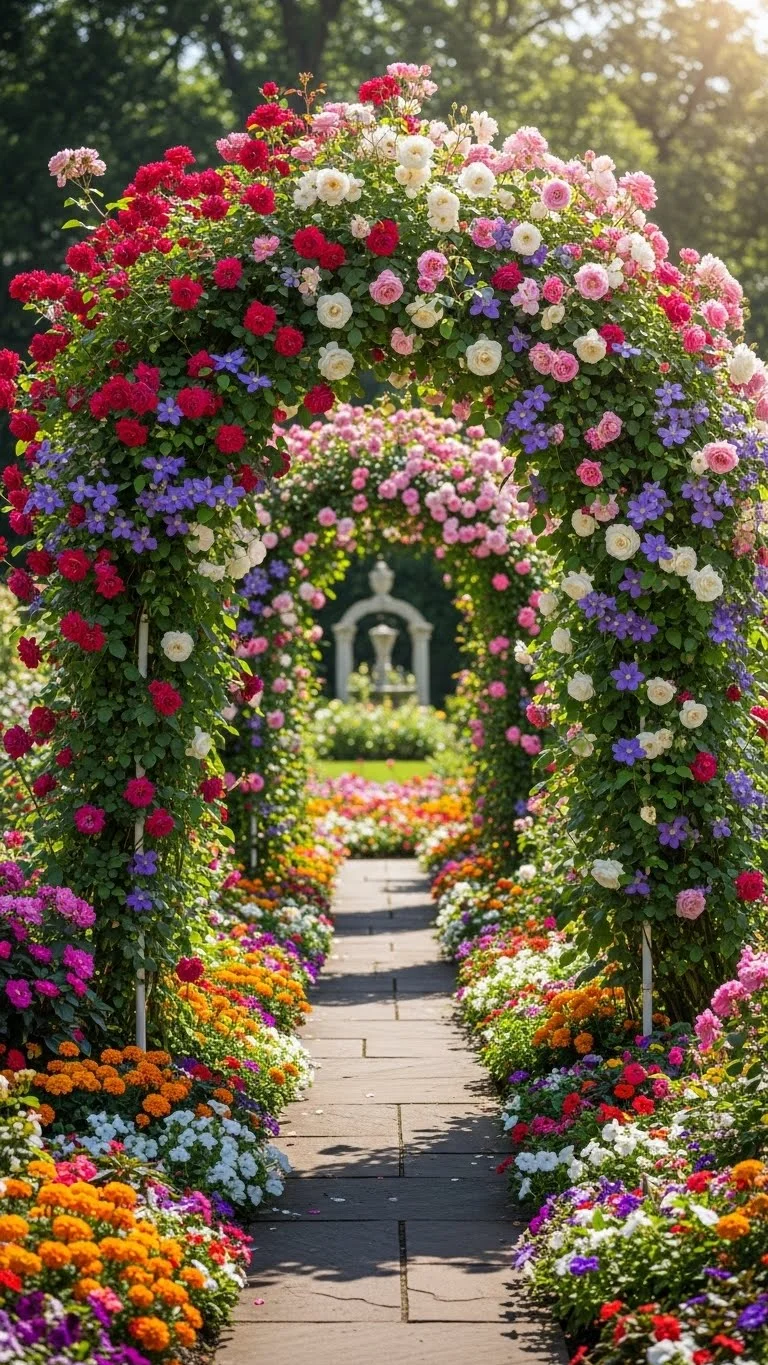
A flower arch adds a welcoming touch to any yard. You can make one with a basic metal frame or two wooden posts with a curved top. Choose climbing flowers that grow quickly, like clematis or climbing roses. Space the plants on both sides so they grow evenly. Tie the vines gently until they attach themselves. Add mulch at the base to keep the soil soft. If you’re on a tight budget, start with annual climbers such as morning glory. They grow fast and cover the structure in one season. Place the arch at the start of a walkway or between garden sections. It creates a grand entrance without much effort. Water the plants regularly while they grow. Once the arch fills in, it becomes a natural focal point that makes your yard feel charming.
- Add Pops of Color With Container Gardens
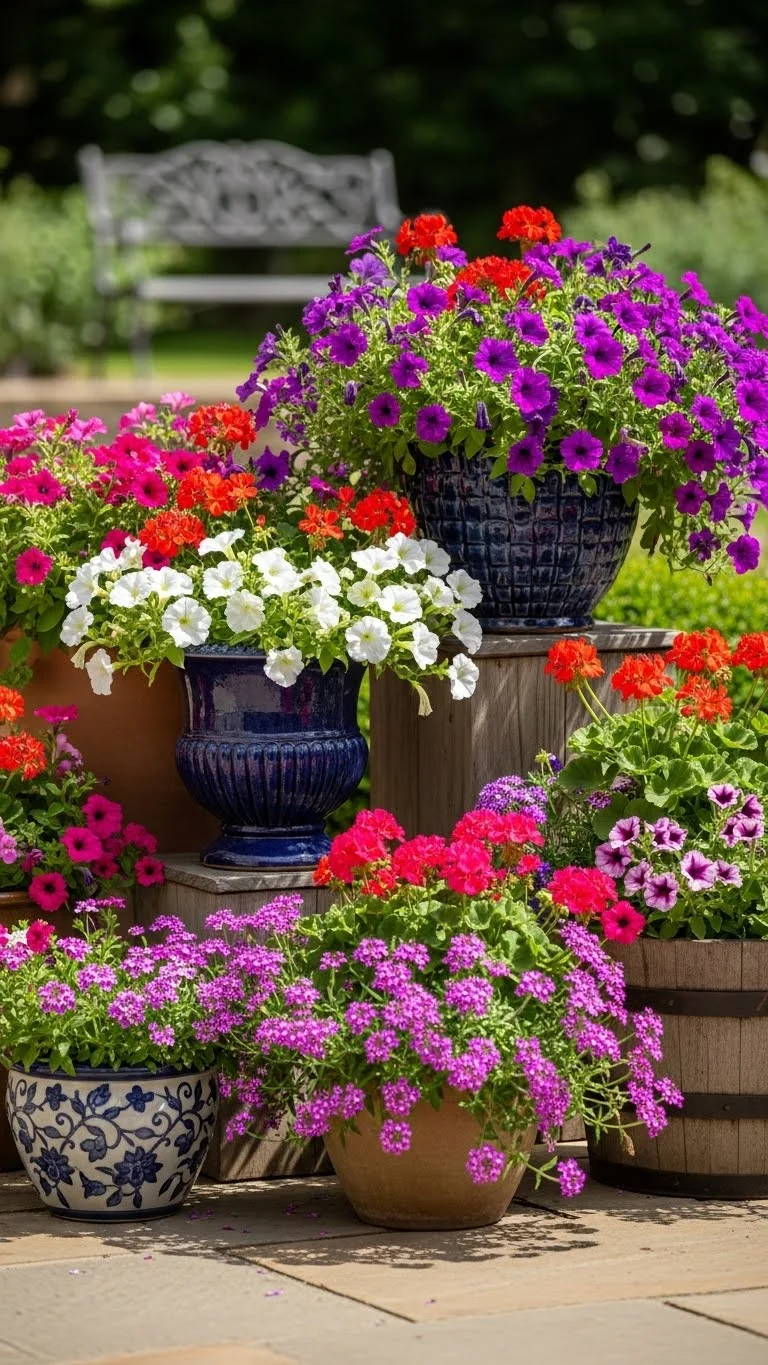
Containers offer instant color without digging or planning large beds. Mix flowers with different shapes and heights for interest. Use tall plants like salvia in the back and spreading flowers like petunias near the edge. Clay pots are classic, but plastic containers are lighter and cheaper. You can also repaint old buckets or baskets. Make sure the containers have drainage holes. Add good potting mix so the roots grow well. Keep them close to your door, steps, or seating areas for impact. If you don’t want to water daily, choose drought-tolerant varieties. You can switch out the flowers each season to keep the area lively. This approach works well for renters or small spaces since you can move containers easily.
- Try a Pastel-Themed Flower Bed
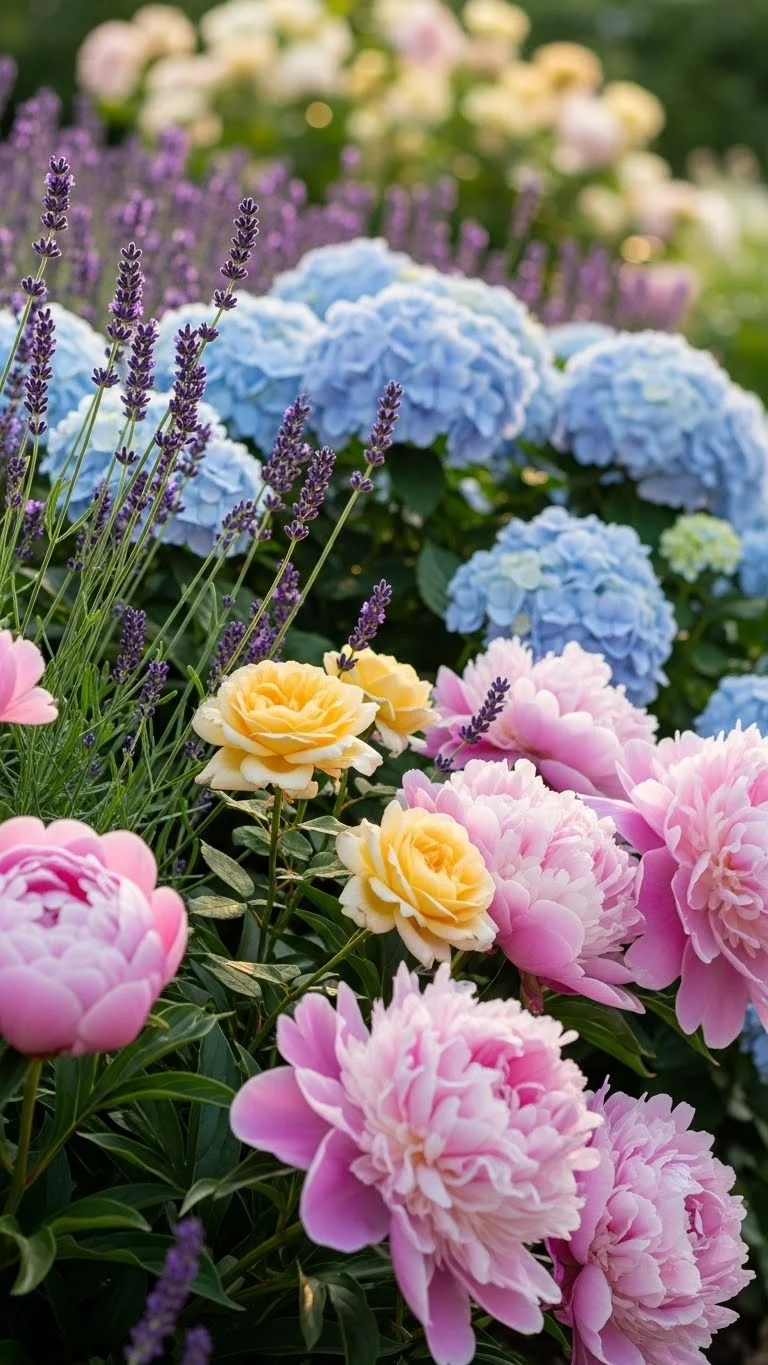
Pastel colors bring a soft, calm feel to your yard. Combine pale pinks, soft purples, light blues, and creamy yellows in one area. These shades blend well without feeling harsh. Plant fuller flowers like hydrangeas or peonies near the back and smaller blooms toward the front. If your space is tight, stick with just two pastel colors. Add white flowers to brighten the area without overpowering it. Consider buying smaller plants to save money. They grow quickly during warm months. Keep the soil rich and damp during their early stages. A pastel bed works well along a porch or beside a sitting area where you want a peaceful look.
- Grow Flowers Along a Stone Path
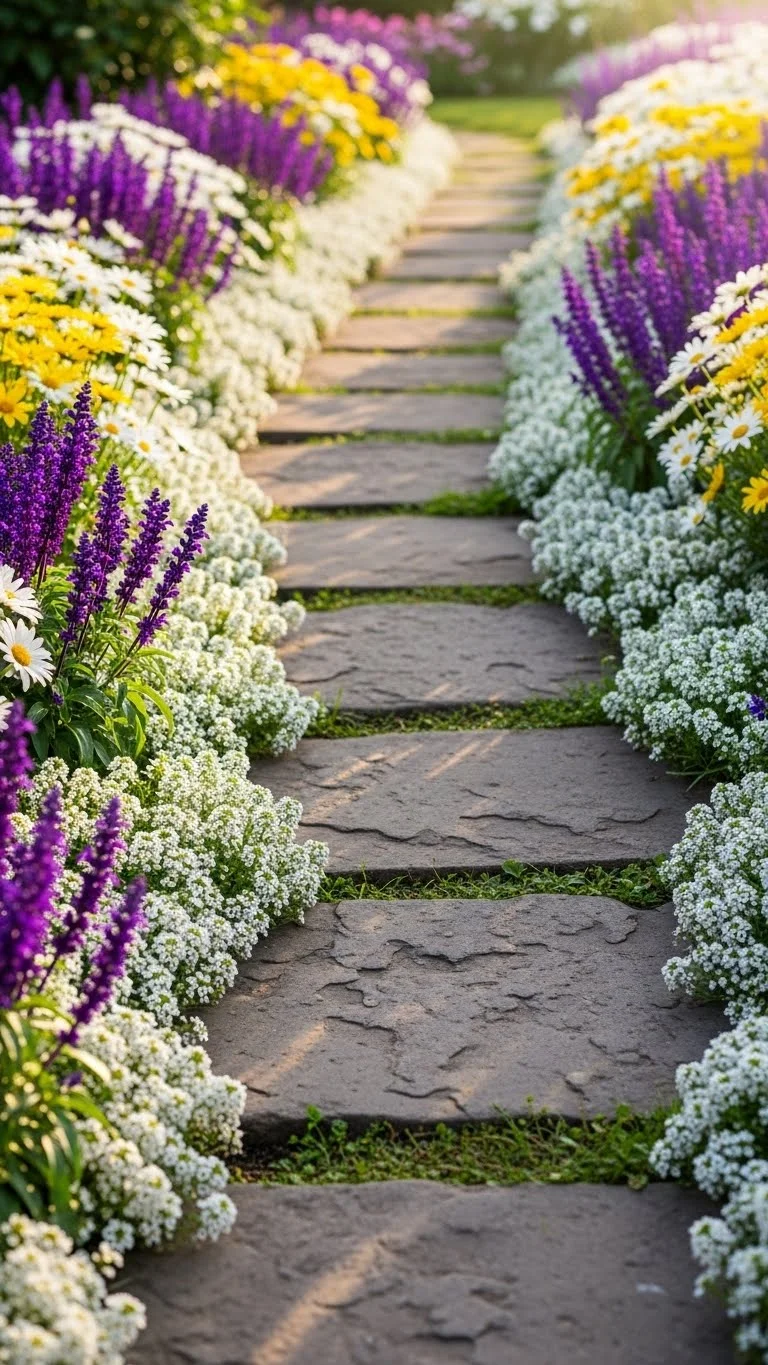
A stone path becomes more eye-catching when framed with flowers. Use low-growing plants that won’t spill too far into the walkway. Alyssum, dwarf marigolds, and daisies work well. Keep the spacing even so the path looks neat. If you’re working with a small budget, start with seed packets. They spread quickly and fill gaps fast. Add a little mulch to help hold moisture, especially around the edges. Water lightly but often at first. If the path gets lots of sun, choose heat-tolerant varieties. This simple upgrade softens the hard edges of stone and draws attention to your walkway.
- Add Hanging Flower Baskets
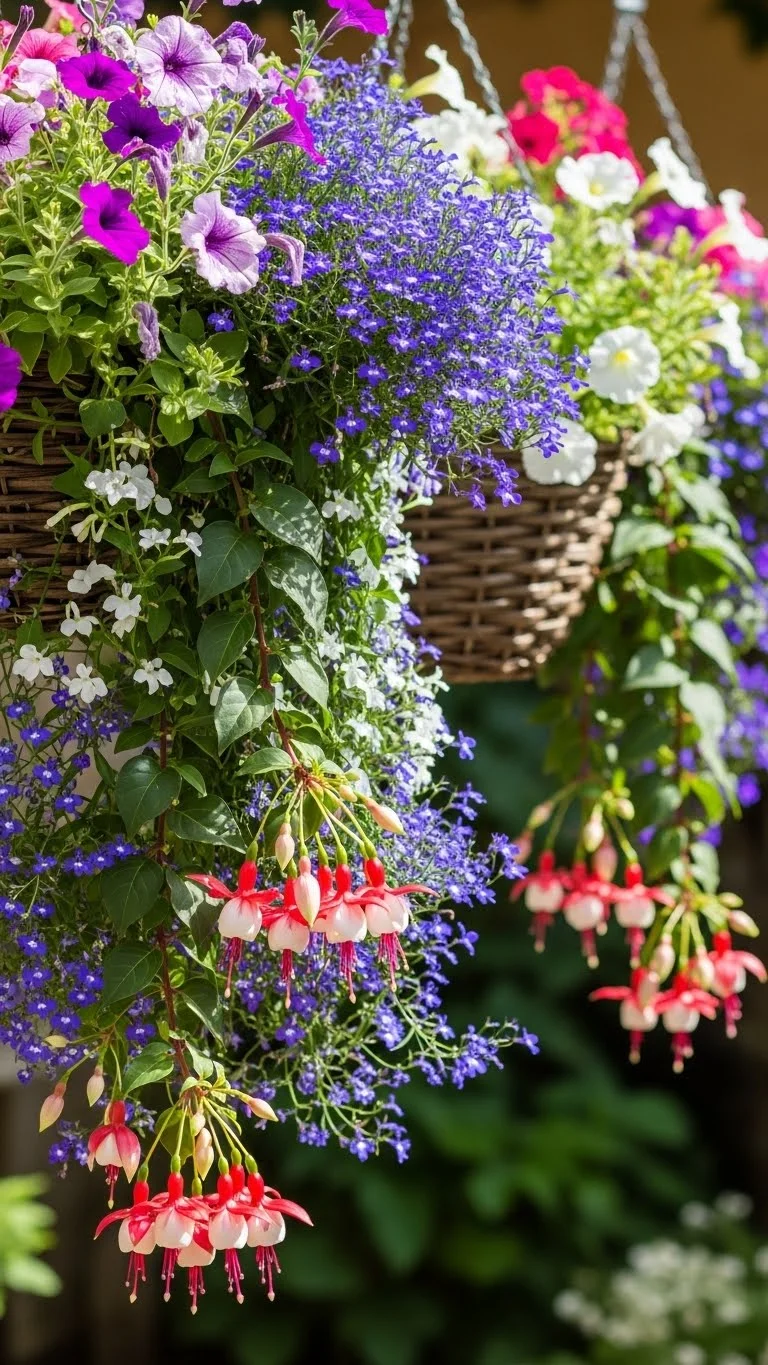
Hanging baskets add color at eye level, which makes your yard feel full. Look for trailing flowers like petunias, verbena, or lobelia. They spill over the sides and create a flowing look. You can buy ready-made baskets, but filling your own is cheaper. Use lightweight potting mix so the basket isn’t too heavy. Hang them near porches, pergolas, or tree branches that get good light. Check the soil often because baskets dry quickly. Water every day during warm weeks. Swap flowers seasonally without redesigning your yard.
- Arrange Flowers Around a Birdbath
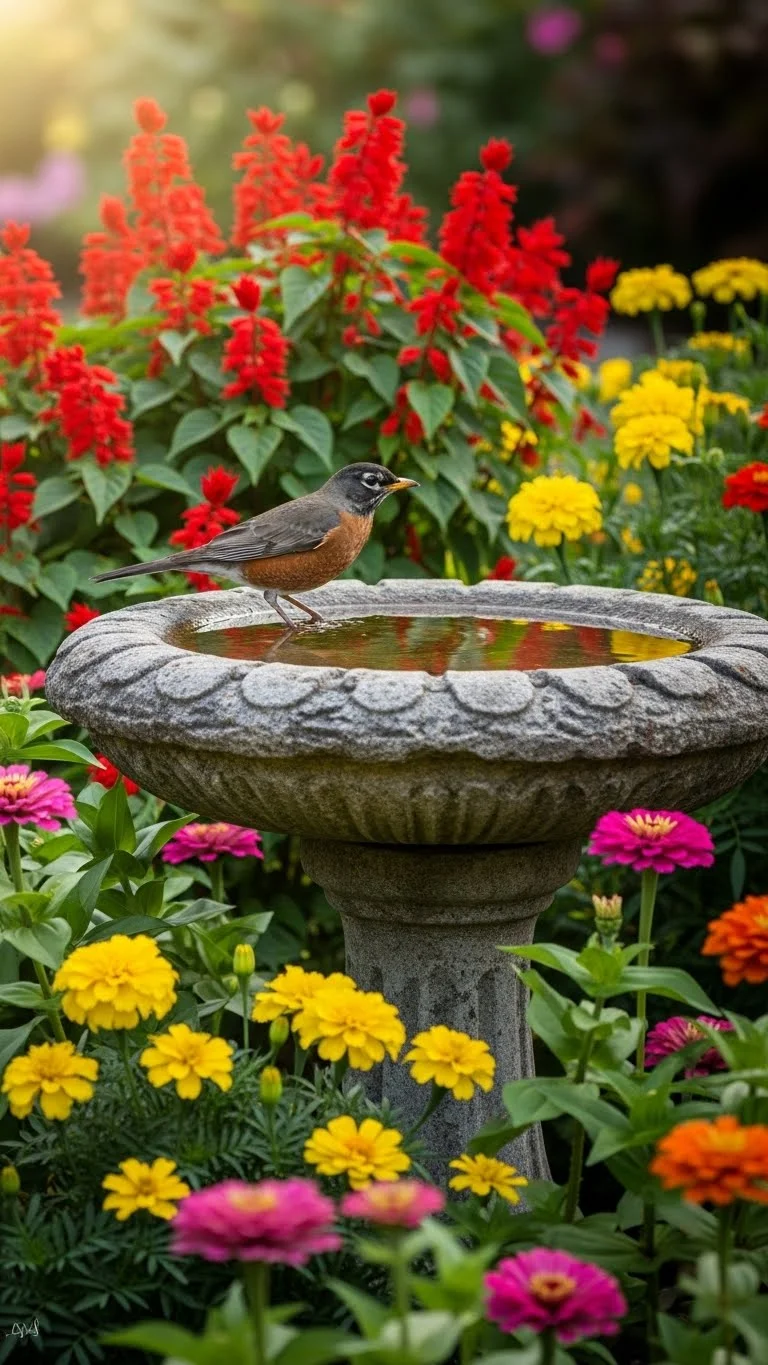
A birdbath becomes much prettier when surrounded by flowers. Pick bright blooms that attract birds and insects alike. Keep taller flowers behind the birdbath and shorter ones around the front. This keeps the feature easy to see. If your birdbath feels plain, add smooth stones inside for interest. You don’t need many plants; a ring of flowers works well. Use annuals to fill space quickly each season. Keep the water clean so birds visit often. This simple setup creates a lively focal point and invites wildlife into your yard.
- Make a Mini Wildflower Patch
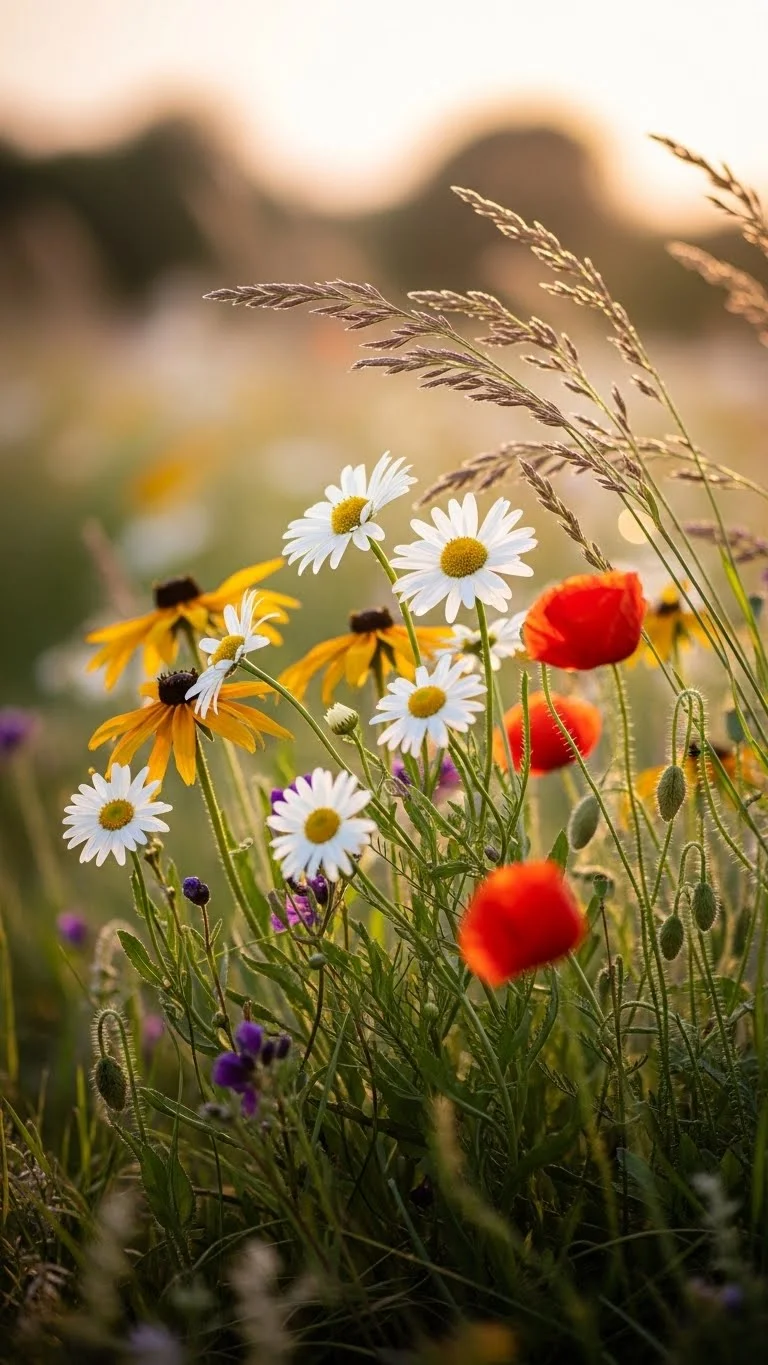
A tiny wildflower patch adds charm and natural color without much work. Clear a small area, scatter a wildflower seed mix, and rake lightly. Water until sprouts appear. Wildflowers often thrive with little care once they grow. They attract bees and butterflies, which adds movement. You can pick a mix with your favorite colors. If your soil is rocky, wildflowers still do well. Choose an area with some sun for best flowering. This approach is affordable because one seed packet covers a lot of ground.
- Add Flowering Shrubs for Height
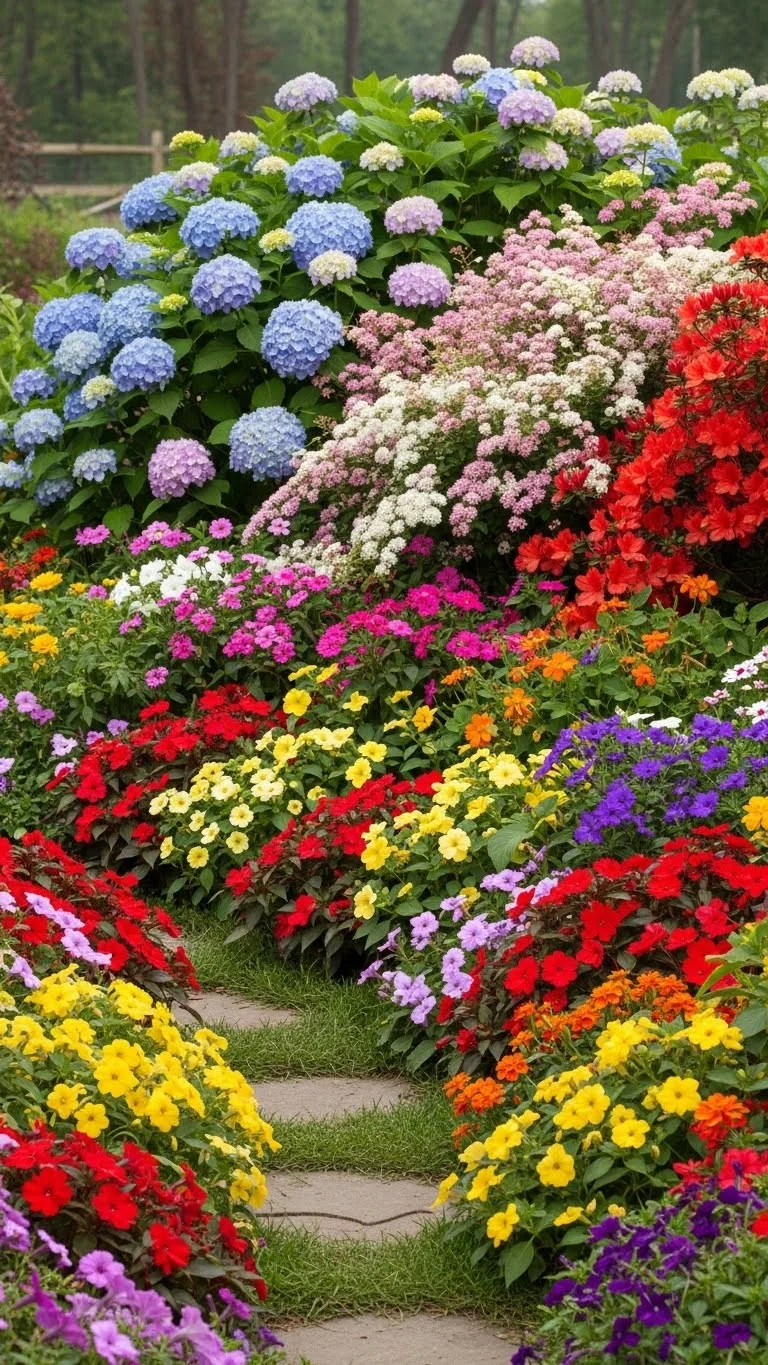
Shrubs help your garden feel layered and full. Pick ones that bloom at different times so you get long seasons of color. Hydrangeas, spirea, and azaleas are popular choices. Place them toward the back of a bed so they anchor the space. Add smaller flowers in front to mix textures. Buying shrubs young is cheaper and they grow faster than you think. Keep the soil loose when planting so roots spread easily. Water deeply at first. Once they settle, shrubs need surprisingly little care. This simple change makes your yard feel more complete.
- Try a Full Pink-Themed Flower Bed
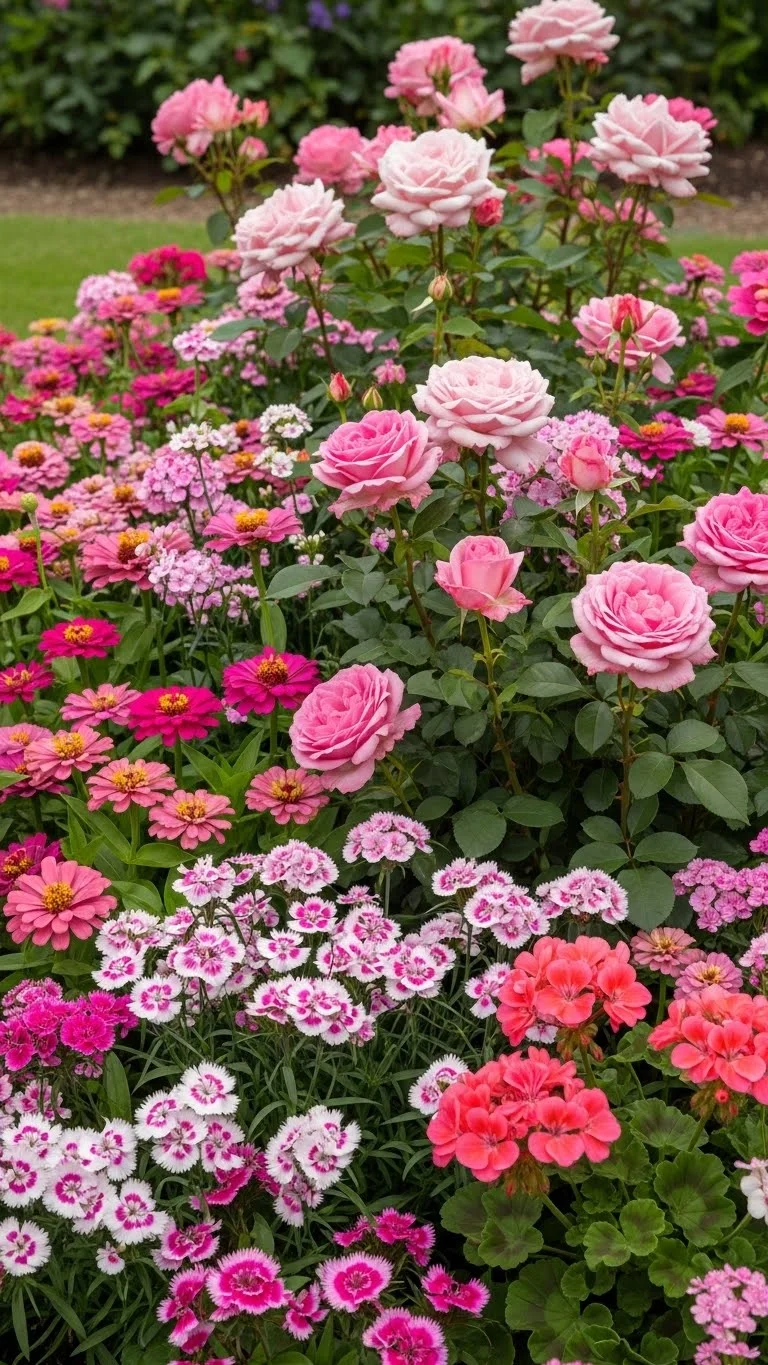
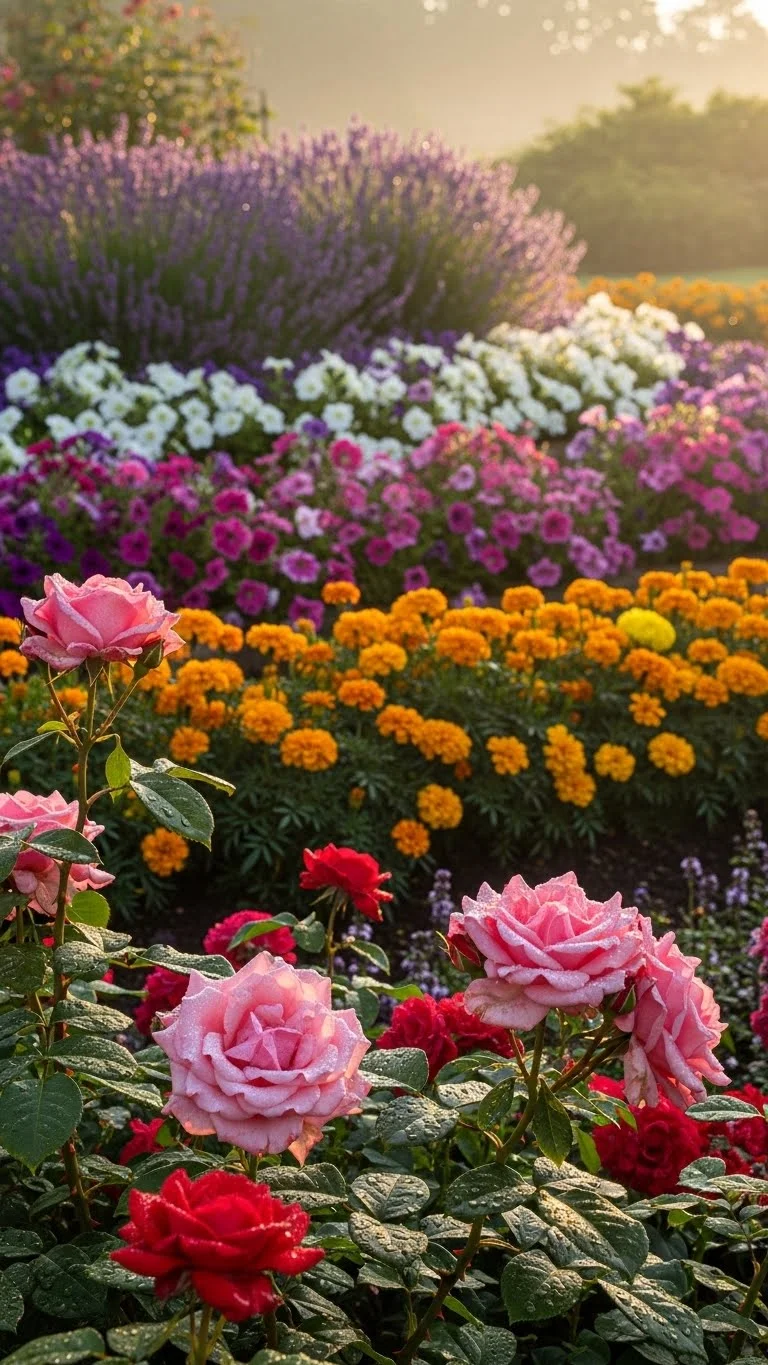
An all-pink bed creates a fun, bold section in your yard. Mix light and deep shades for variety. Roses bring structure while zinnias or dianthus fill smaller gaps. Group several of the same plant to keep it looking clean. Add white or green foliage plants to break up the color. If you’re saving money, start zinnias from seed. They grow quickly and bloom all season. Place this bed near patios or paths where its color stands out best. Water regularly until plants settle, then cut back as needed.
- Use Window Boxes for Extra Color
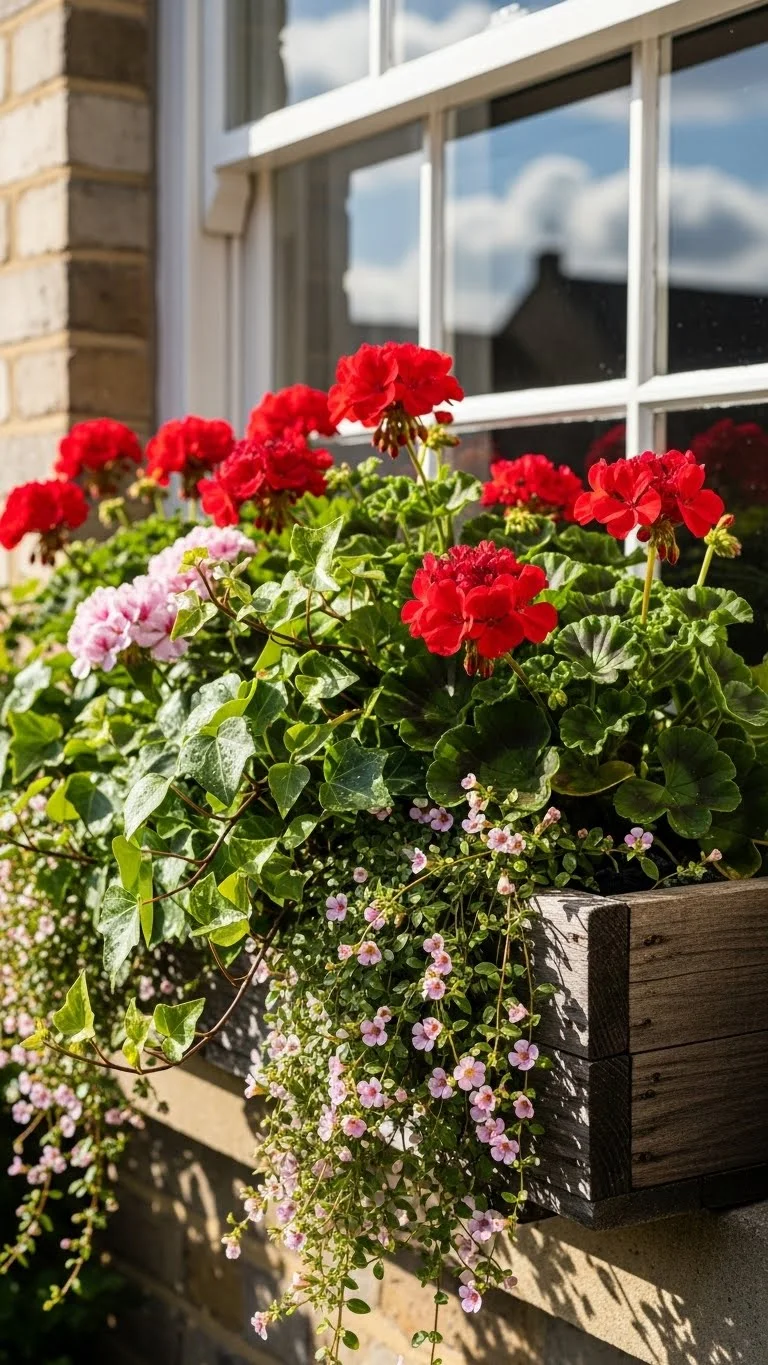
Window boxes are great for smaller areas or renters. Choose flowers that trail and spill over the edges for a fuller look. Geraniums, ivy, and petunias work well. Make sure the box has drainage holes. Add lightweight soil so the box doesn’t sag. Water often because these shallow containers dry fast. You can match the color of the flowers with your house trim for a coordinated look. Switch out the plants each season without spending much. Window boxes make your home feel warm and colorful from the outside.
- Build a Small Circular Flower Bed
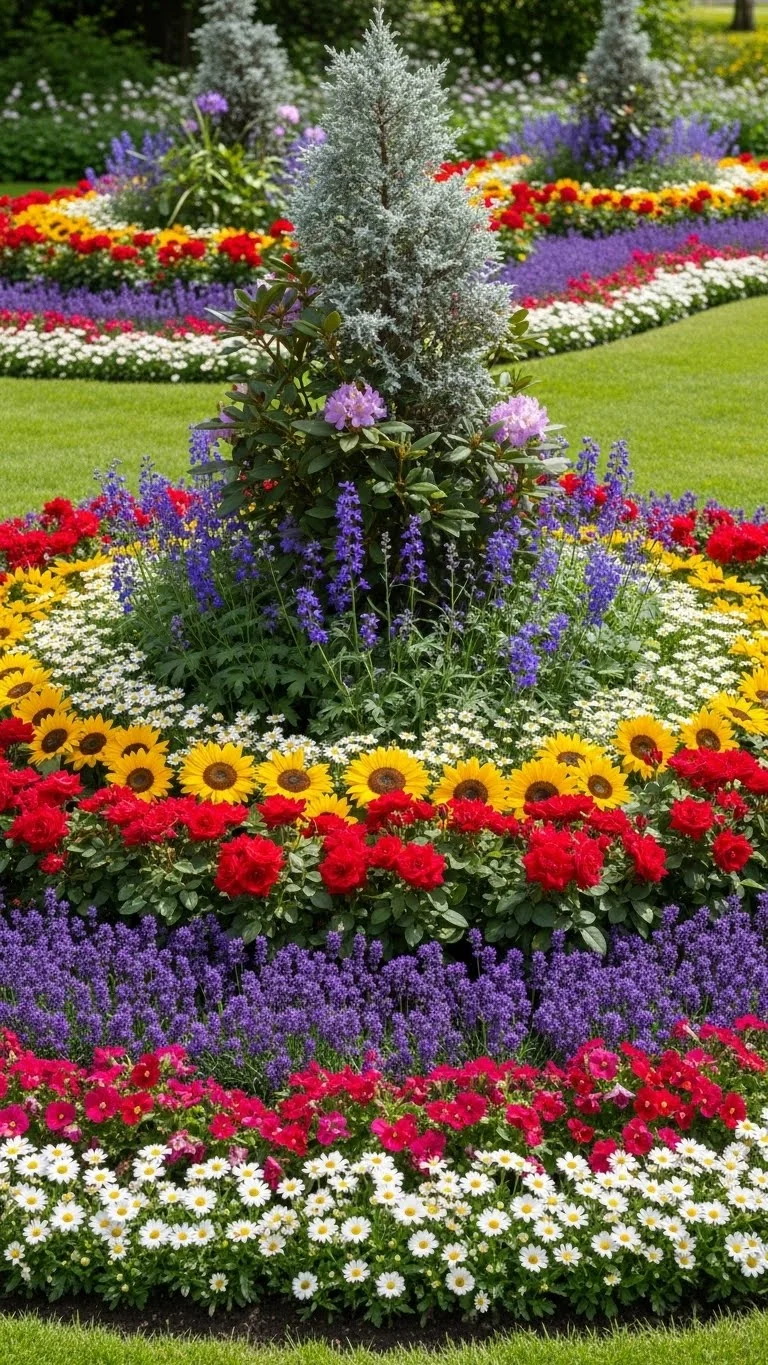
A round flower bed creates a tidy feature in any yard. Mark a simple circle with string and dig up the grass inside. Add one taller plant in the middle, like a rose bush or ornamental grass. Surround it with a ring of colorful blooms. Keep each layer even so it looks clean. Use budget options like marigolds or begonias for outer rings. Add mulch to keep weeds out and moisture in. This shape works well in open spaces because it draws the eye quickly.
- Mix Edible Flowers Into Your Garden
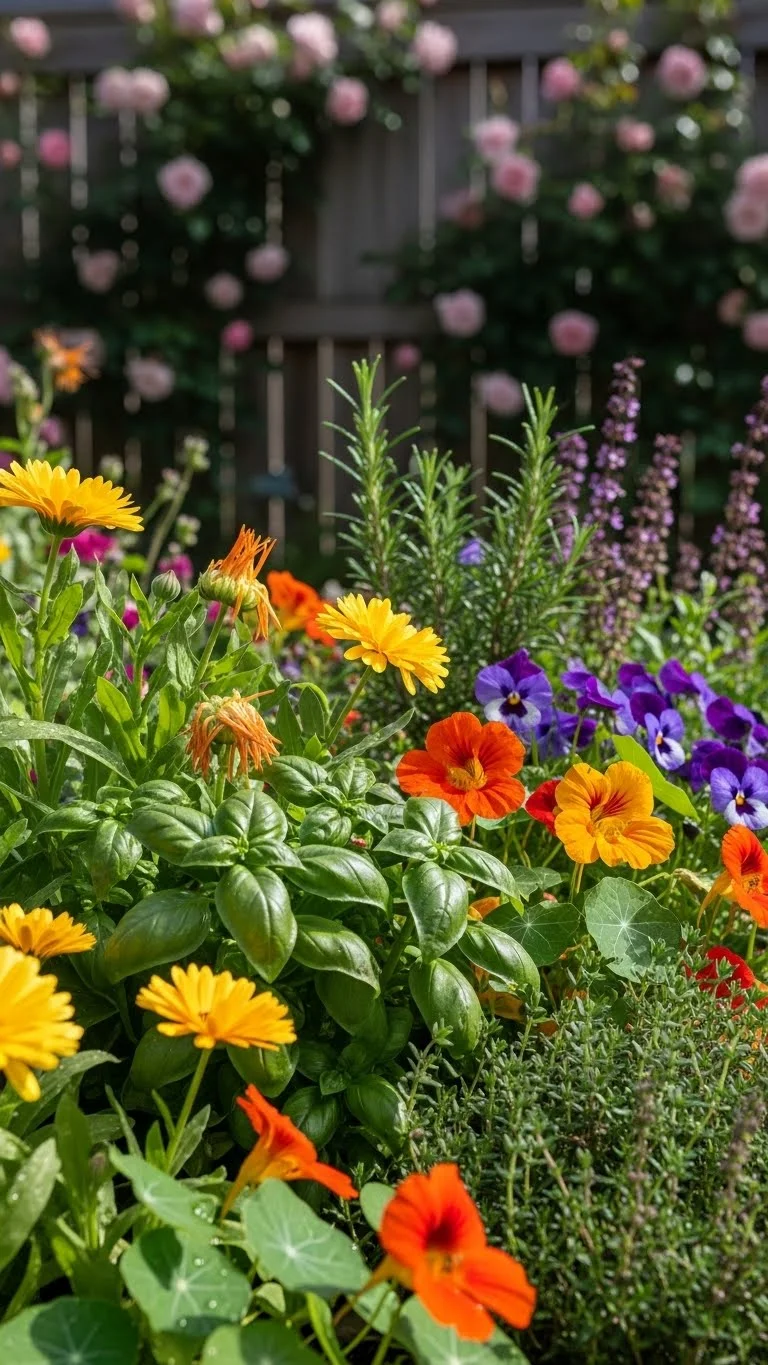
Edible flowers add color while also being useful. Calendula, nasturtiums, and pansies bring bright tones and can be sprinkled on salads. Plant them near herbs for a practical section. Many edible flowers grow easily from seed, making this a low-cost idea. Keep the soil loose and well-watered while they sprout. Pick the blooms often so the plants keep producing. This mix looks pretty and adds a fun twist to your yard. Just make sure you only harvest flowers you know are safe to eat.
- Add a Low-Maintenance Rock Garden With Flowers
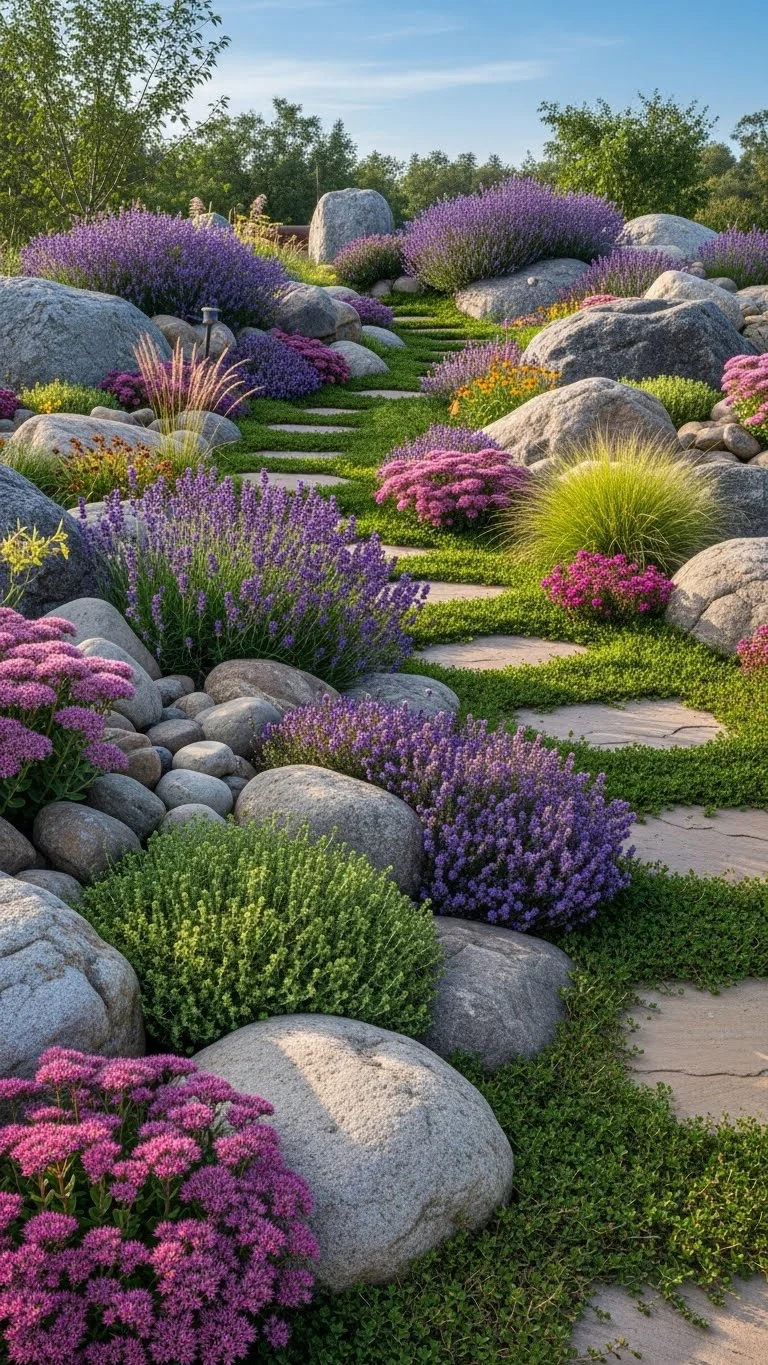
Rock gardens look pretty and don’t take much care. Place stones of different sizes, then tuck small flowering plants in the gaps. Sedum, creeping thyme, and small daisies grow well in rocky areas. They spread nicely and don’t need constant watering. Use a mix of colors to keep the space lively. This works well for slopes or awkward corners where other plants struggle. You can build it slowly using stones from your yard to save money.
- Plant Flowers Around Trees
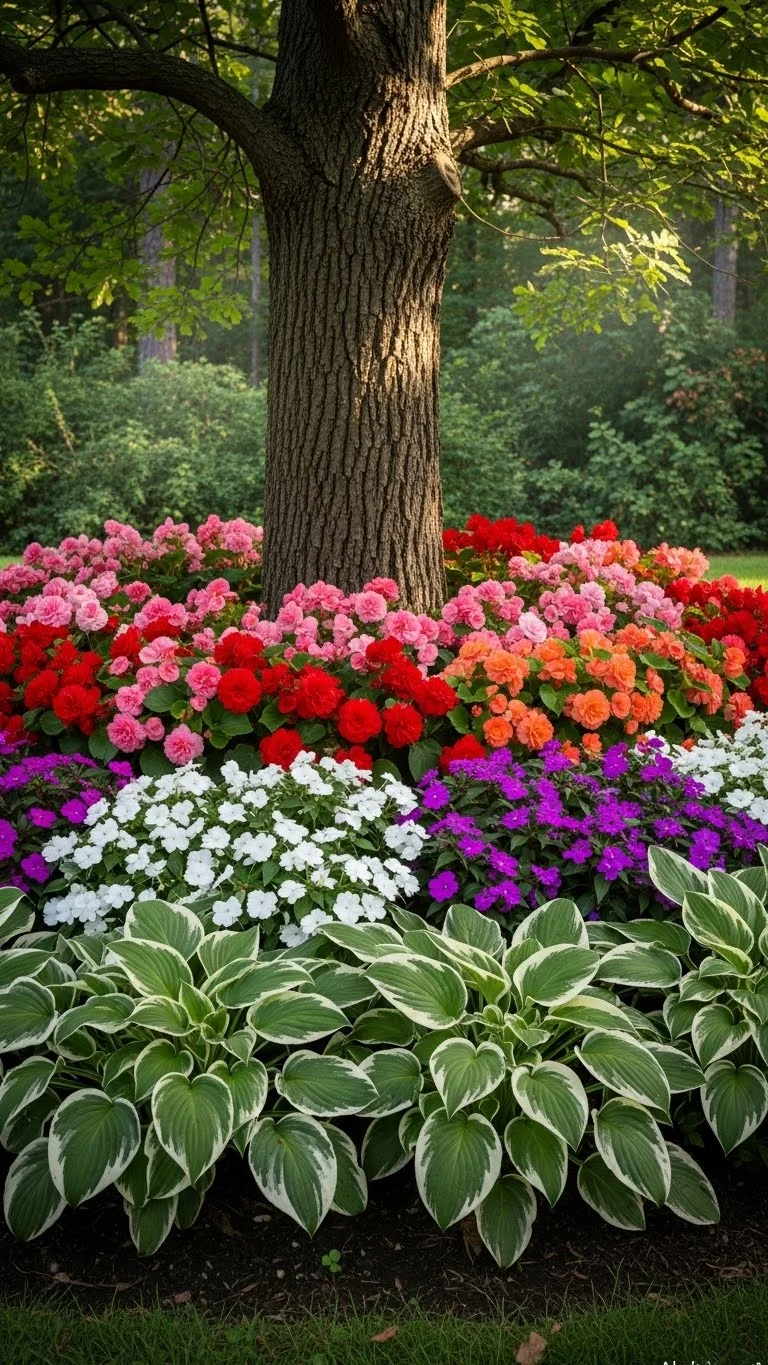
Planting flowers around a tree adds color to an otherwise bare spot. Choose shade-friendly plants if the tree blocks sunlight. Impatiens, begonias, and hostas work well. Add a thin layer of compost before planting to lighten the soil. Keep the plants about a foot from the trunk so roots aren’t crowded. Mulch lightly to help the area stay moist. If you want a bright look, pick flowers with bold tones to contrast with the bark.
- Make a Small Courtyard Flower Garden
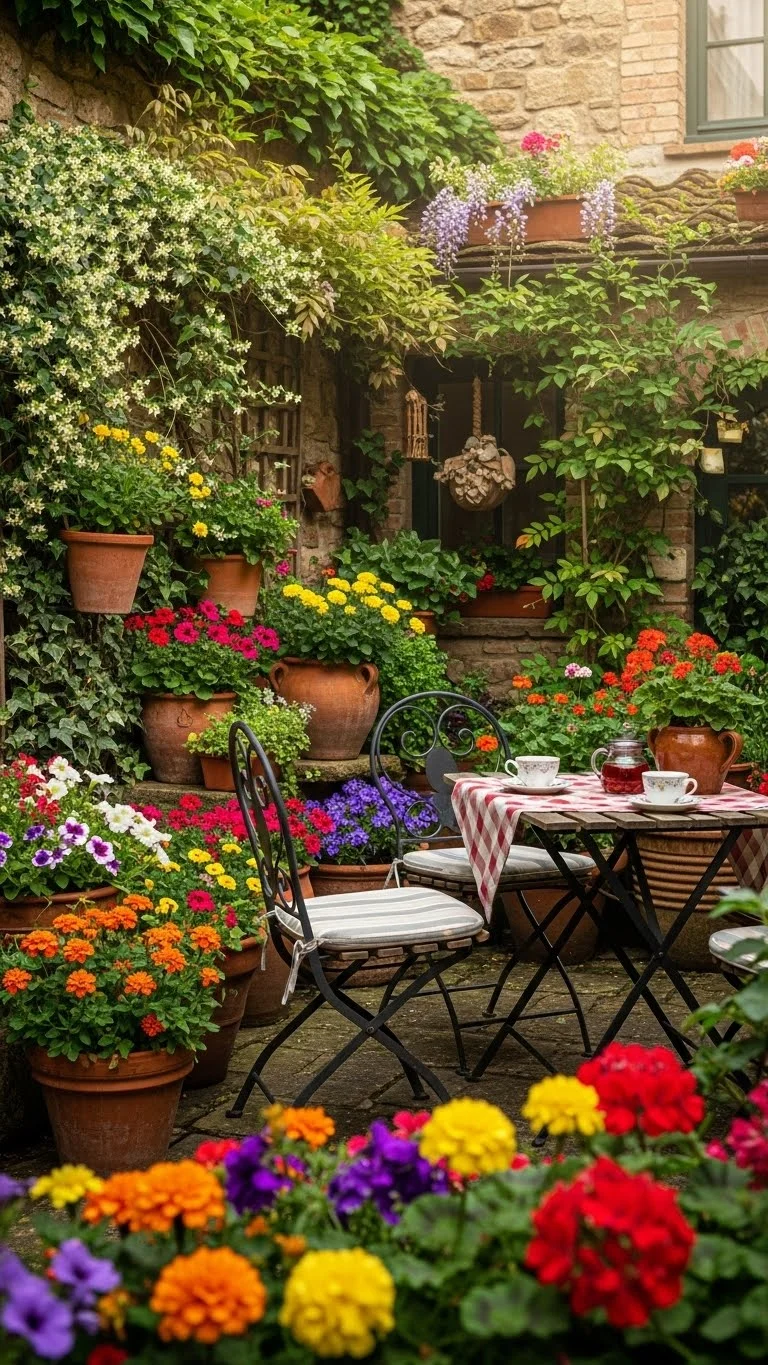
A courtyard garden makes even a small space feel charming. Use containers, wall planters, and a few trailing vines to fill vertical space. Choose bright flowers that stand out in close areas. Add a small bench or chair to enjoy the view. You don’t need many plants; a few bold colors work better in tight spots. Mix tall and short pots for variety. This setup is affordable because you can reuse pots each season.
- Add Flowers Along a Fence Line
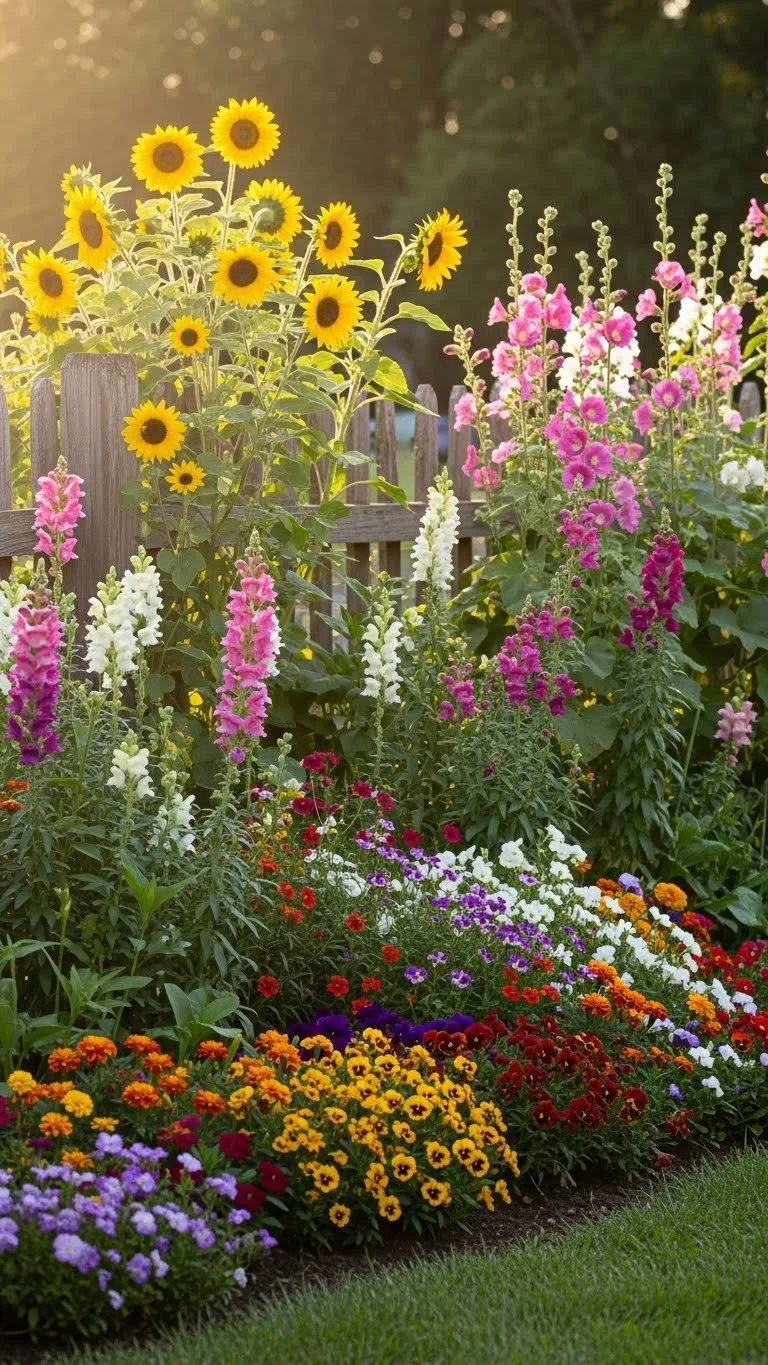
A fence becomes more interesting when backed by colorful flowers. Tall plants like hollyhocks or sunflowers work well because they grow straight up. Add smaller flowers at their base to soften the area. This helps the fence disappear behind the blooms. If your budget is tight, start sunflowers from seed since they sprout fast. Keep the space mulched and water deeply a few times a week. Over time, this section becomes one of the brightest parts of your yard.
- Try a Blue-and-White Color Theme
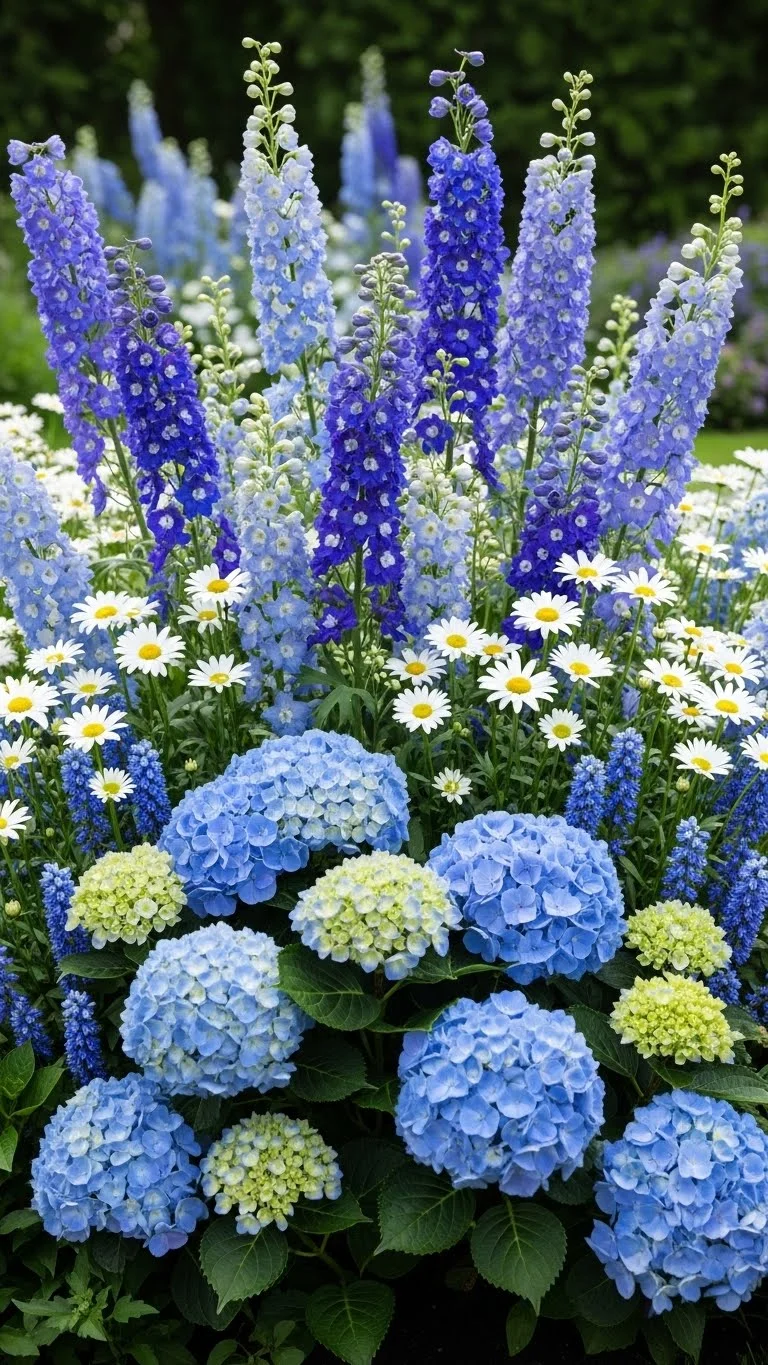
Blue and white flowers together create a calm, clean look. Hydrangeas, salvia, and daisies are easy choices. Group plants in threes or fives for a balanced layout. Add small white blooms between the blue ones to keep the section bright. If you want a budget option, plant bachelor buttons from seed. They bring a deep blue tone that stands out. This color combo works well beside patios or along walkways.
- Add Flowering Ground Covers
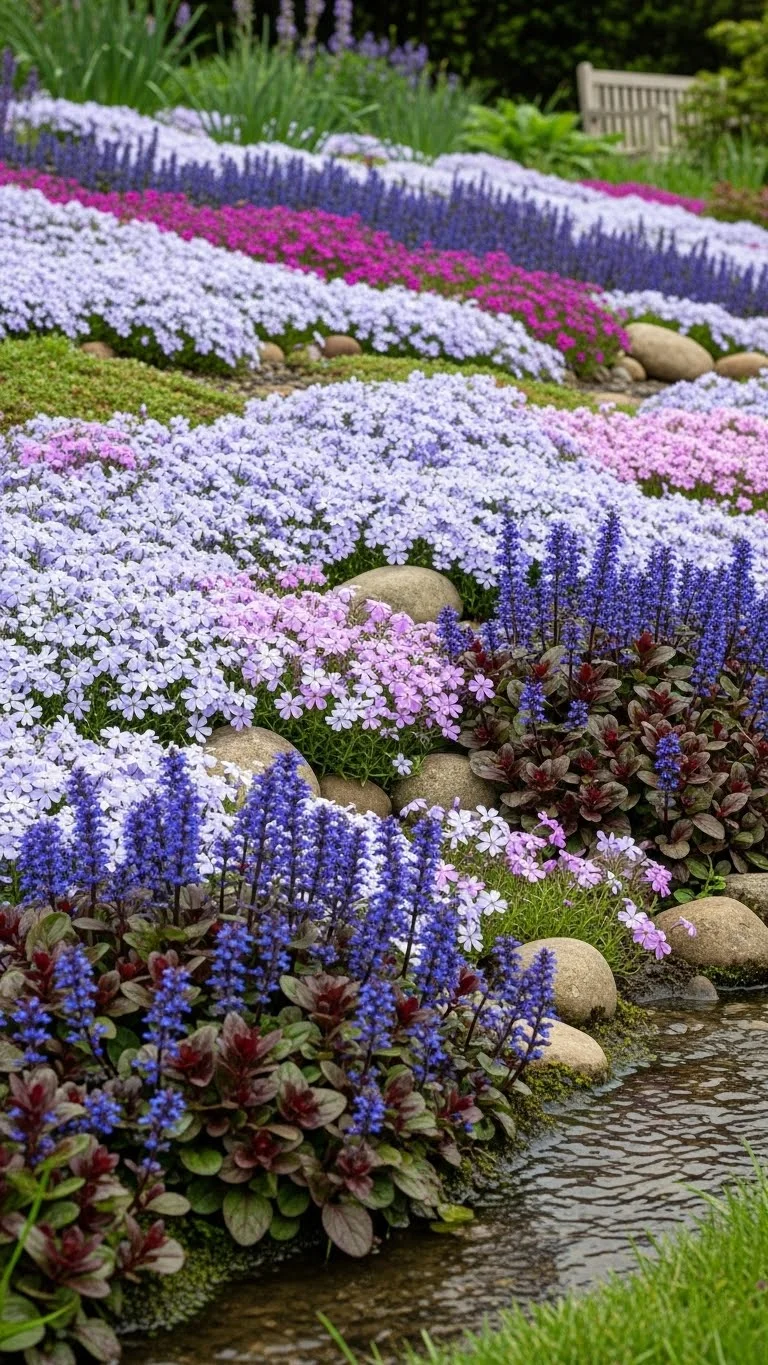
Ground covers add color while filling empty spots. Creeping phlox is a popular option because it spreads fast and blooms heavily. Ajuga adds rich tones and grows well with little effort. These plants work on slopes, along edges, or in open patches. Start with small pots to save money because they spread quickly. Water them lightly but routinely until they take hold. Once settled, they cover the area nicely without much care.
- Plant a Bold Red Flower Section
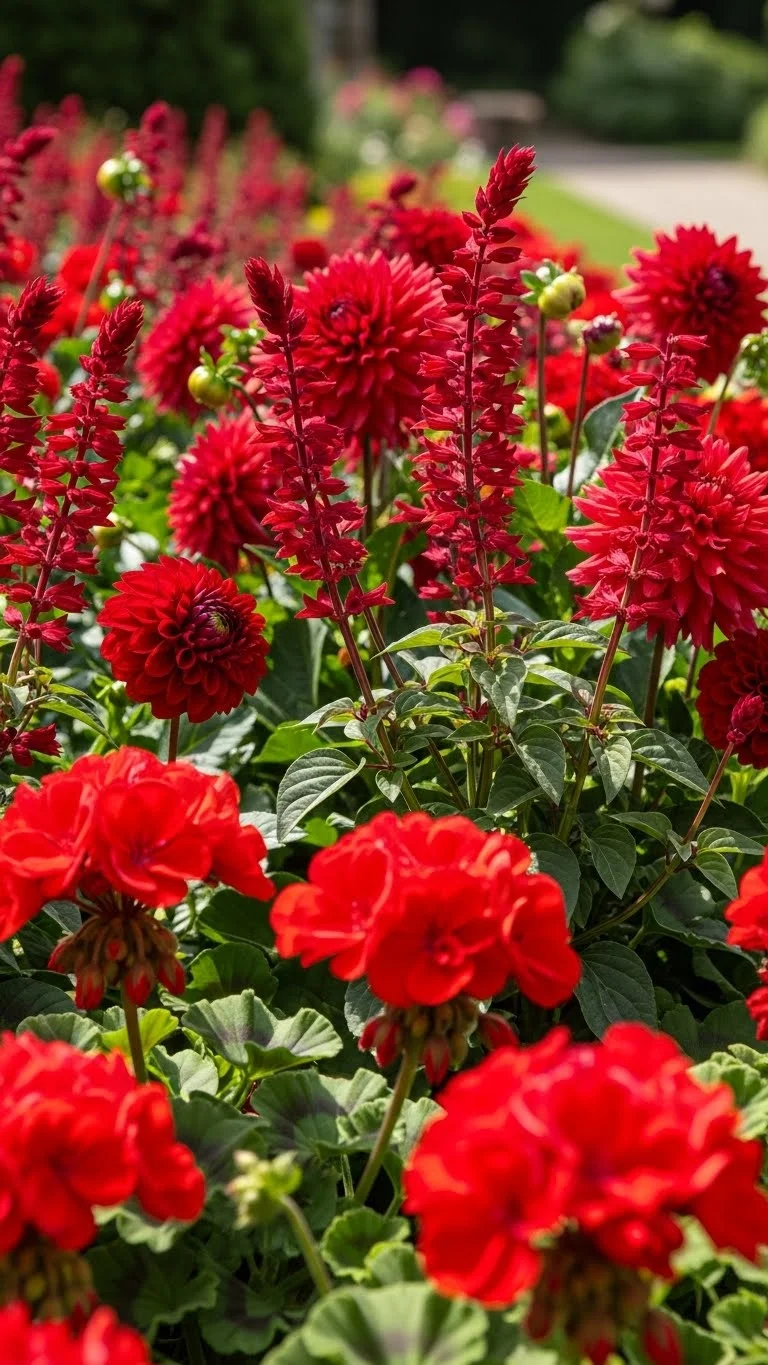
A red-themed area adds strong color to your yard. Choose flowers like dahlias, salvias, and geraniums. Mix tall and short varieties for interest. Red flowers stand out best against green shrubs or dark mulch. You can grow salvias from seed to save money. Water regularly while the plants settle during the first few weeks. This section gives your garden an energetic, lively feel.
- Add a Seasonal Flower Rotation Bed
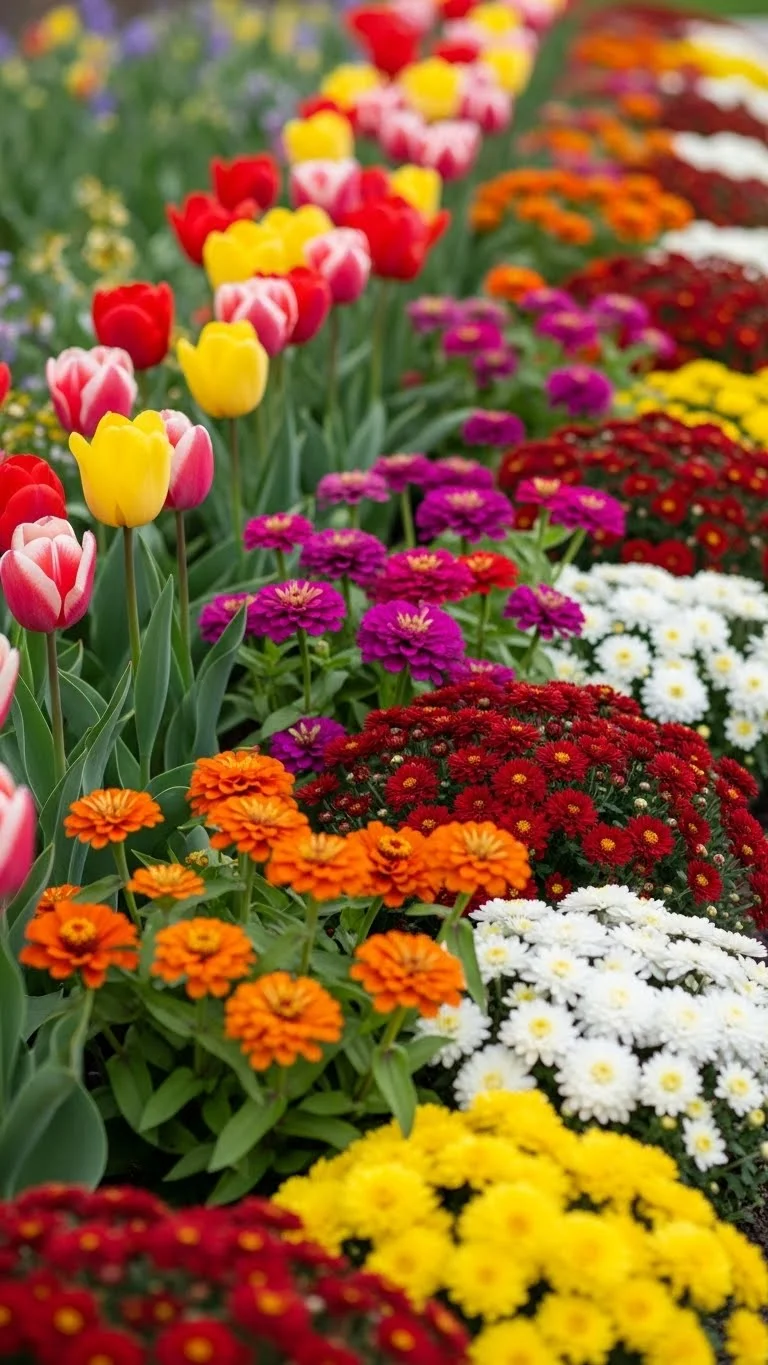
A seasonal rotation bed gives your yard color all year. Pick flowers for spring, summer, and fall. Plant them in groups so each season brings its own show. Tulips work for early months, zinnias for warm weather, and mums for cooler days. This method keeps your yard interesting without major changes. You can reuse the same soil and add compost each season. This idea is flexible and budget-friendly because you only replace a few plants at a time.
Conclusion
These flower gardening ideas make it easy to create a colorful yard without heavy effort or large spending. Mix the concepts you like best, start small, and add more each season. With simple care and thoughtful placement, your yard can stay lively and inviting all year.
