


25 Brilliant Small Space Gardening Hacks to Maximize Growth
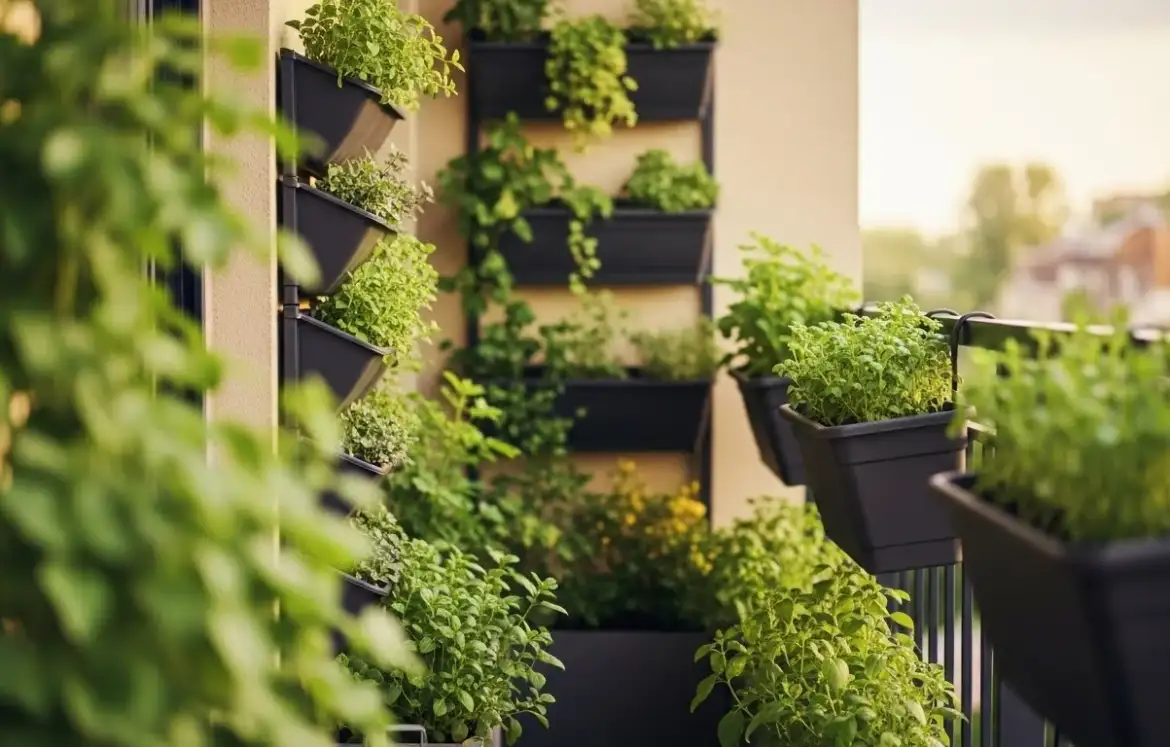
Small areas can grow a surprising amount of food and flowers when you shape the layout with intention. Simple, low-cost adjustments make a tight balcony, patio, or side yard feel more open. This guide offers workable ideas that fit real homes, small budgets, and busy schedules. Each tip helps you use every inch without making the space feel cramped.
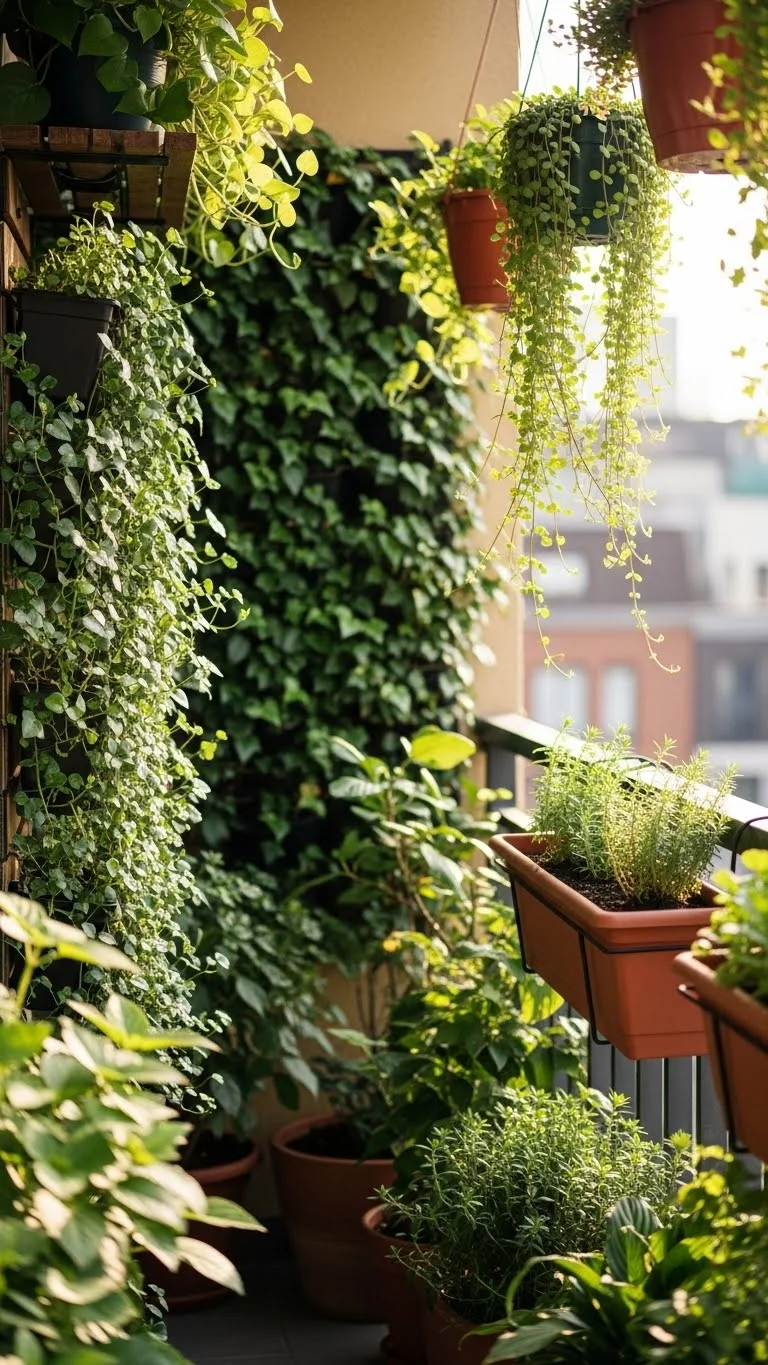
- Go Vertical With Wall Planters
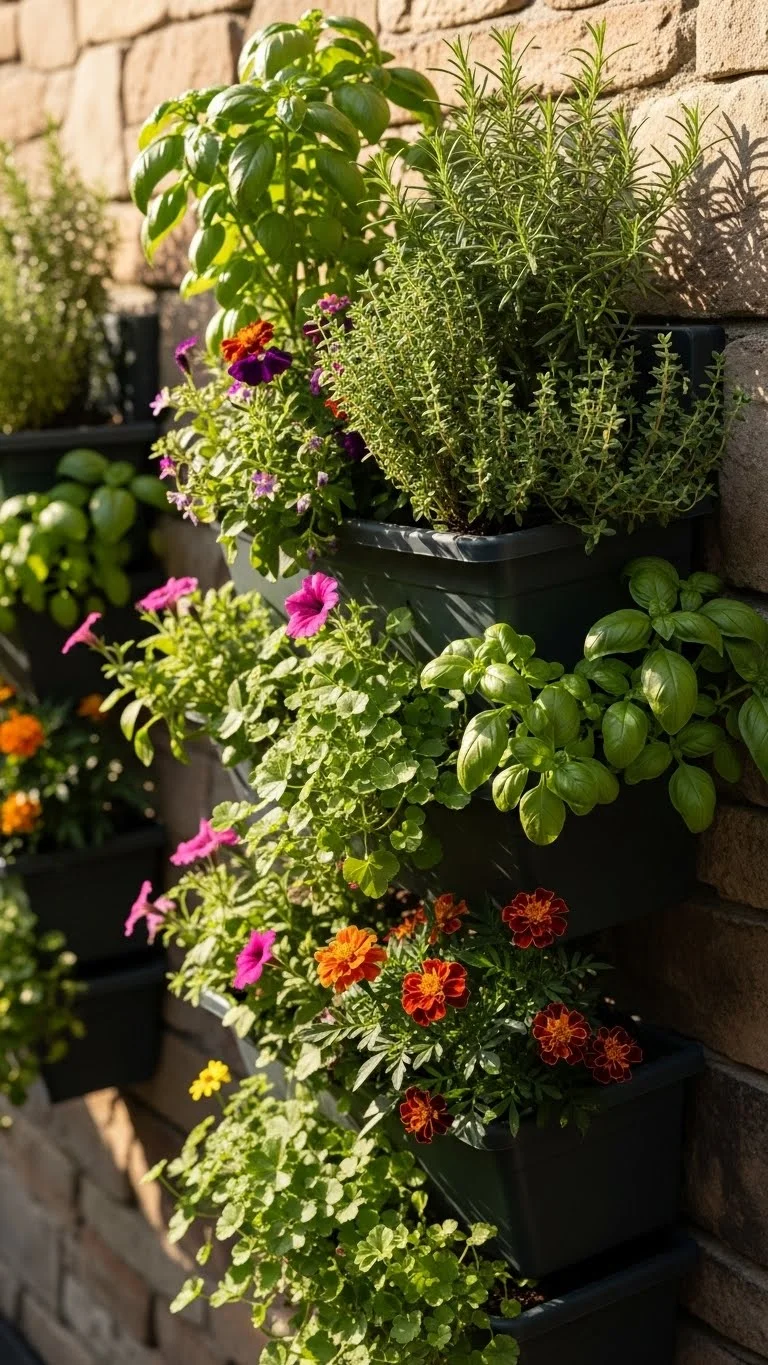
Vertical planters help you grow more without using floor space. You can attach small pots to a wooden board, hang pocket planters, or install a slim rack. Keep the setup simple with lightweight containers and sturdy hooks. Herbs, lettuce, strawberries, and trailing flowers work well because they stay compact. Water from the top and let moisture trickle down to lower pockets. Try repurposing old cans or jars by adding drainage holes. This keeps costs low while giving your space a clean, organized look. If your wall gets harsh sunlight, line the back with a thin cork sheet to reduce heat. Start with a few pockets, then add more as you learn what grows best.
- Use Tiered Shelves to Fit More Plants
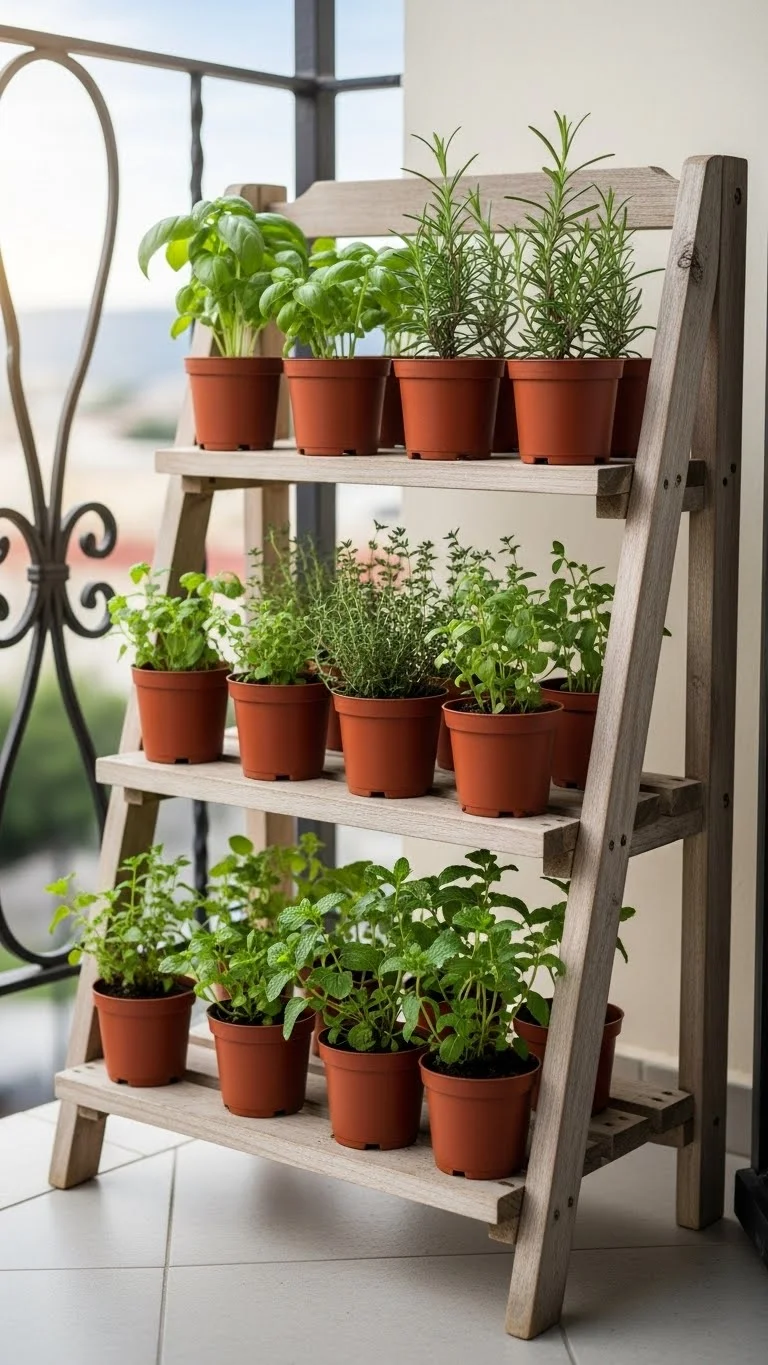
Tiered shelves act like mini plant stands. They let you stack multiple layers of greenery in one small spot. Pick a shelf that fits your corner or railing line. Shallow pots keep the setup lightweight and easy to move. Place sun-loving plants on the top tier and shade-tolerant ones below. If you enjoy DIY, build a simple shelf with two boards and cinder blocks. Paint it to match your outdoor theme. This creates a tidy display that turns even a dull corner into a productive area. Rotate pots every few weeks to spread light evenly. The shelf can also double as storage for tools or watering cans.
- Hang Planters From the Ceiling
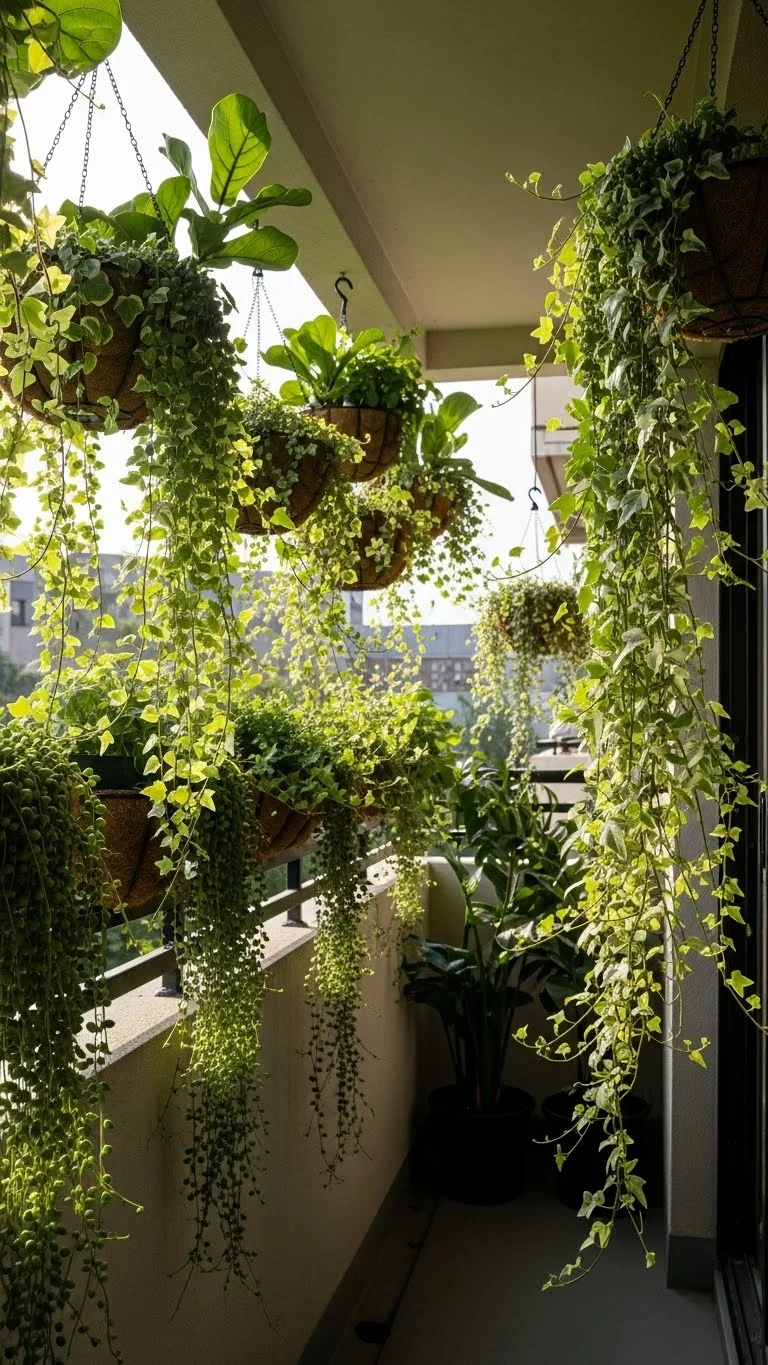
Hanging baskets save tons of space. They stay out of the way and add height to your layout. Use lightweight coconut-fiber liners or simple plastic pots. Herbs, cherry tomatoes, and trailing flowers do especially well. If you rent, try tension rods that fit between walls without drilling. Add a small water tray under each basket to catch drips. For a budget setup, repurpose old mixing bowls or woven baskets by adding rope and drainage holes. Place shorter plants above seating areas to avoid bumping into them. Mix basket heights to create depth and keep everything easy to reach.
- Choose Compact or Dwarf Plant Varieties
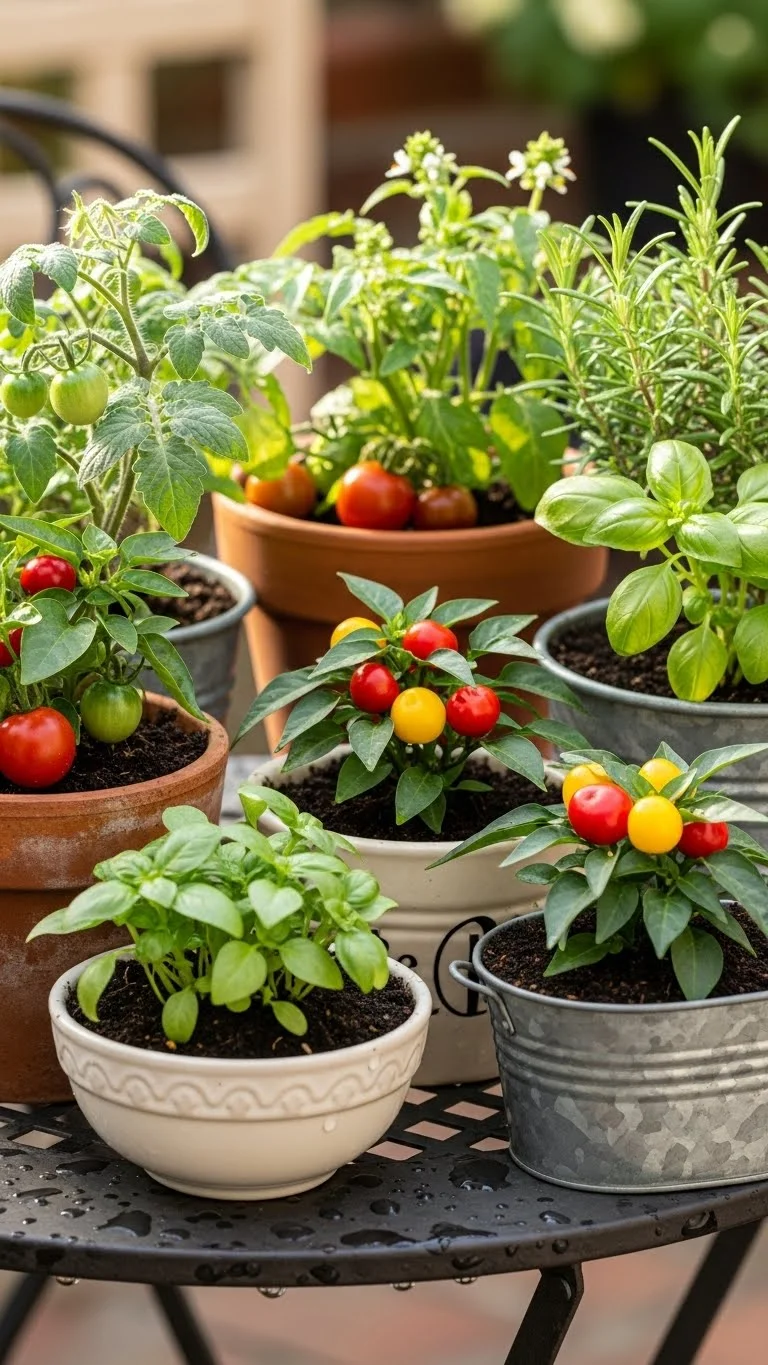
Compact plants give you the same harvest with far less space. Look for dwarf tomatoes, mini peppers, bush beans, and tight-growing herbs. They stay neat and rarely spread beyond their containers. This helps keep walkways open. Pair compact vegetables with narrow pots so they don’t crowd other plants. If you shop on a budget, ask local growers for clearance seedlings. Many compact types cost the same as standard sizes. Keep trimming small shoots to maintain shape. You can fit several varieties in one corner without losing airflow.
- Grow Herbs on a Railing Rack
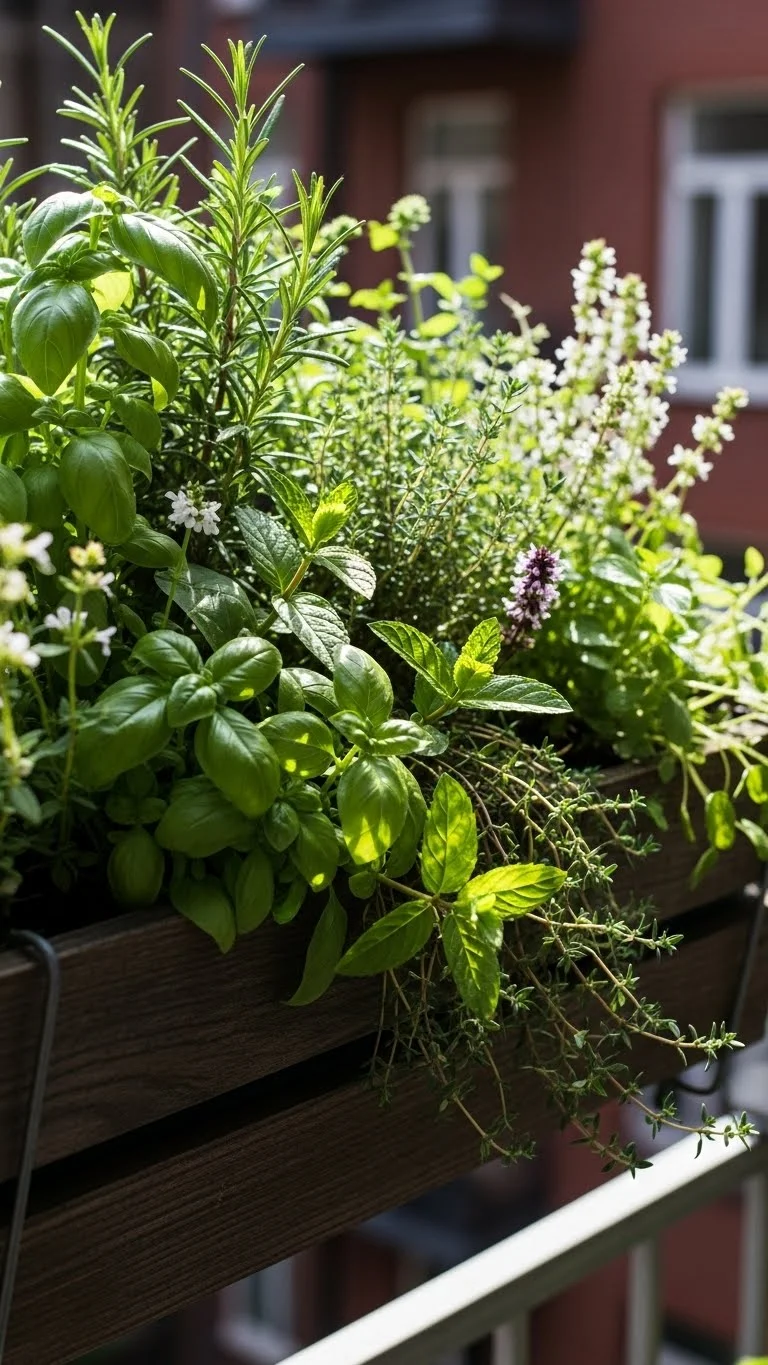
Railing racks let you use space that normally sits empty. They clip onto most balconies and provide a perfect spot for herbs. Basil, thyme, mint, and parsley grow nicely because they stay shallow-rooted. Use narrow containers with drainage trays to protect the railing. A budget option is to convert long food storage containers into planters. Add holes to the bottom and clip them securely. Rotate racks every few weeks to keep growth even. You’ll free up floor space while still having fresh herbs right at your fingertips.
- Stack Crates Into Simple Garden Towers
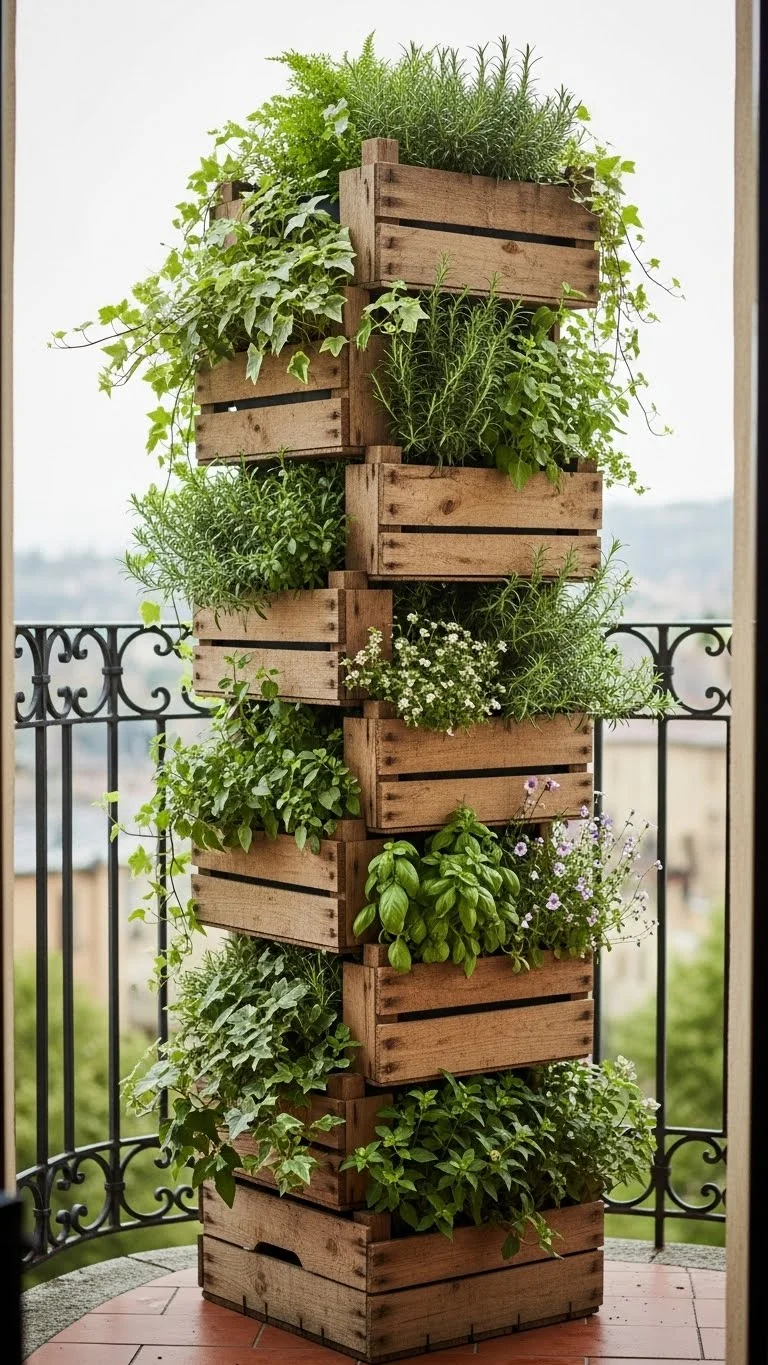
Stacked crates make a tall, stylish plant tower. You can get second-hand crates cheaply, then secure them with zip ties or screws. Add small pots inside each crate so watering stays controlled. This style works well for leafy greens, pansies, and compact flowering plants. The open sides help airflow and drainage. Paint crates for a cleaner look or leave them natural for a rustic design. If the tower feels wobbly, place a heavy brick in the bottom crate. Move crates around seasonally to adjust sunlight.
- Grow Upward With Trellises
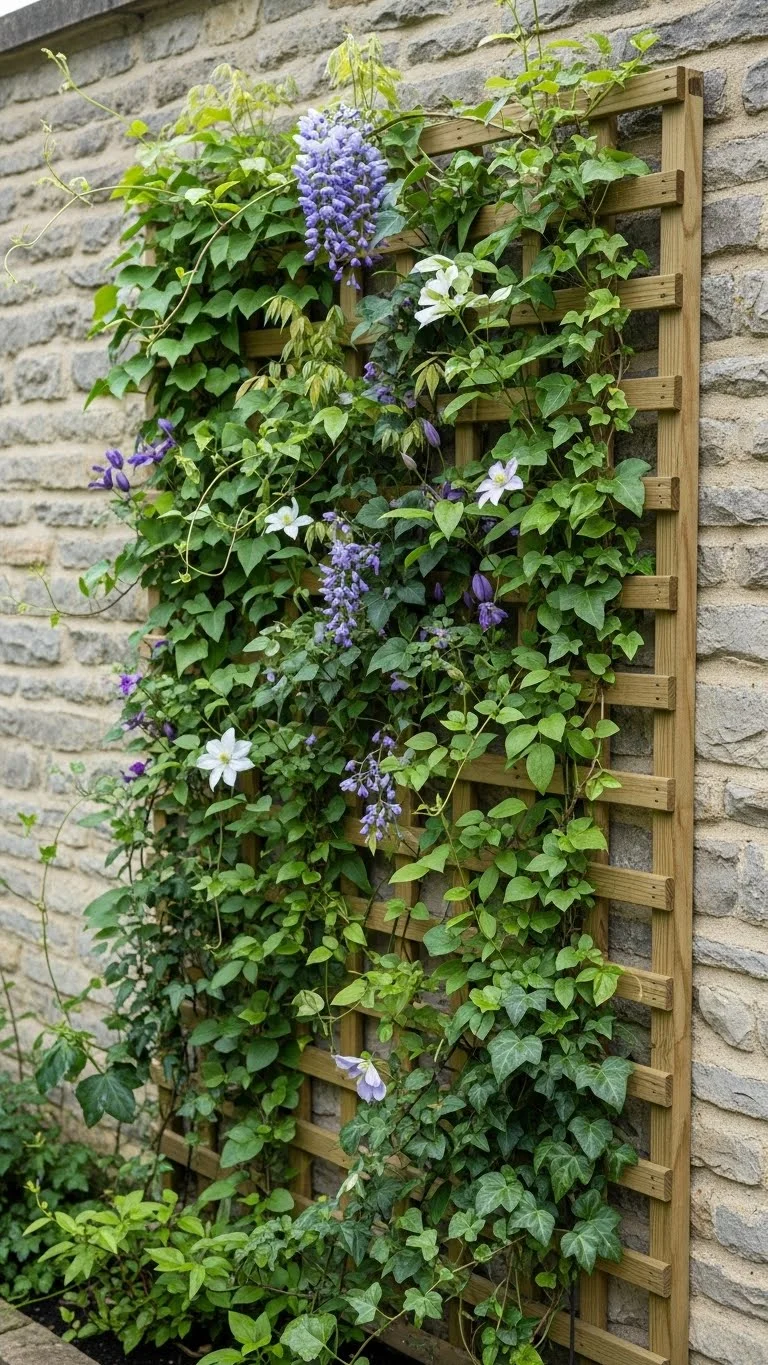
Trellises help climbing plants grow vertically. This keeps vines tidy and off the ground. Cucumbers, peas, morning glories, and pole beans climb easily with minimal training. You can make a simple trellis with bamboo sticks and twine. If you’re on a tight budget, reuse old cooling racks or wire shelves. Secure the trellis near a wall or railing to save space. Keep vines trimmed so they don’t take over the area. A compact trellis adds texture and height, turning a flat space into a lively garden.
- Use Narrow Containers Along Walkways
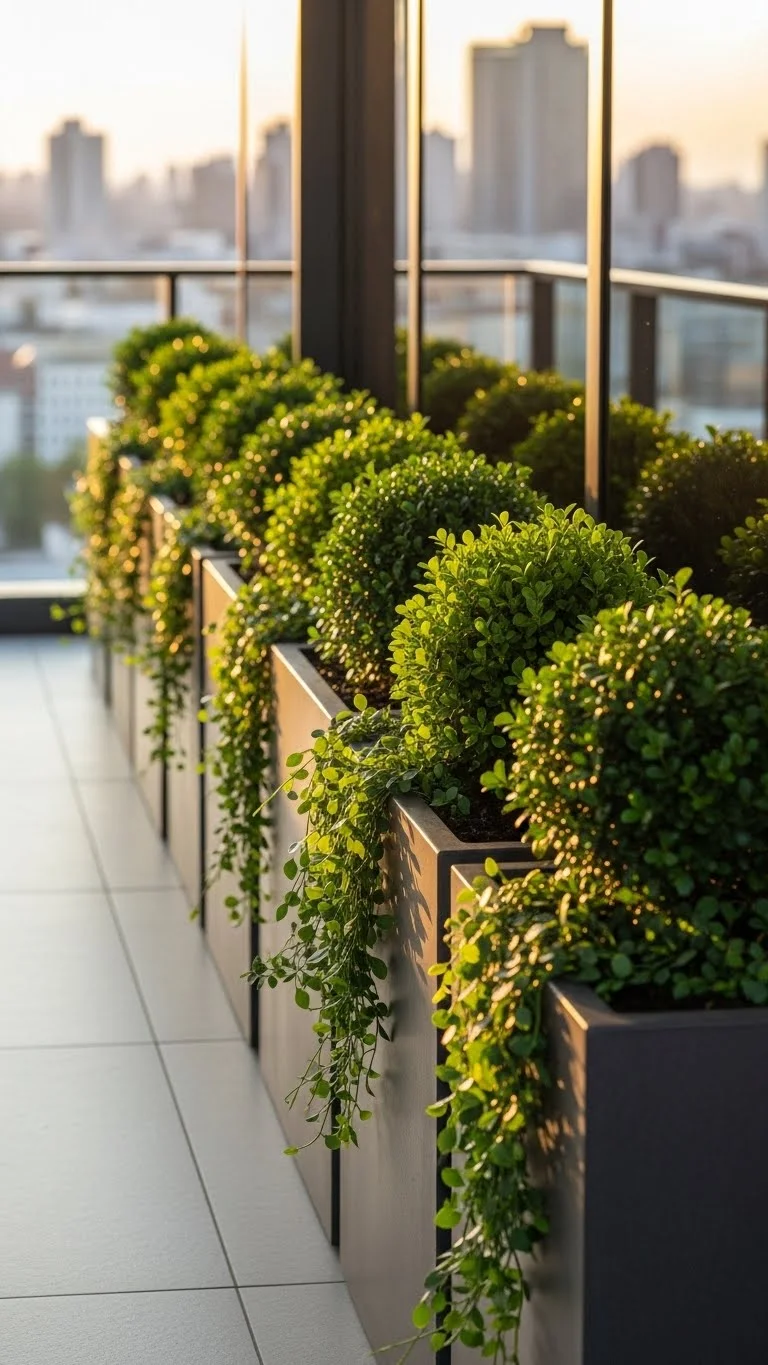
Narrow planters fit in tight spaces without blocking footpaths. Place them along walls, railings, or the edge of a patio. Choose shallow-rooted plants like lettuce, marigolds, chives, or spinach. You can make your own narrow planters using leftover wood or long plastic food containers. Add pebbles at the bottom for drainage. Keep plants trimmed so they don’t spill into the walkway. This small adjustment adds a surprising amount of green without sacrificing comfort.
- Create a Mini Greenhouse With Clear Bins
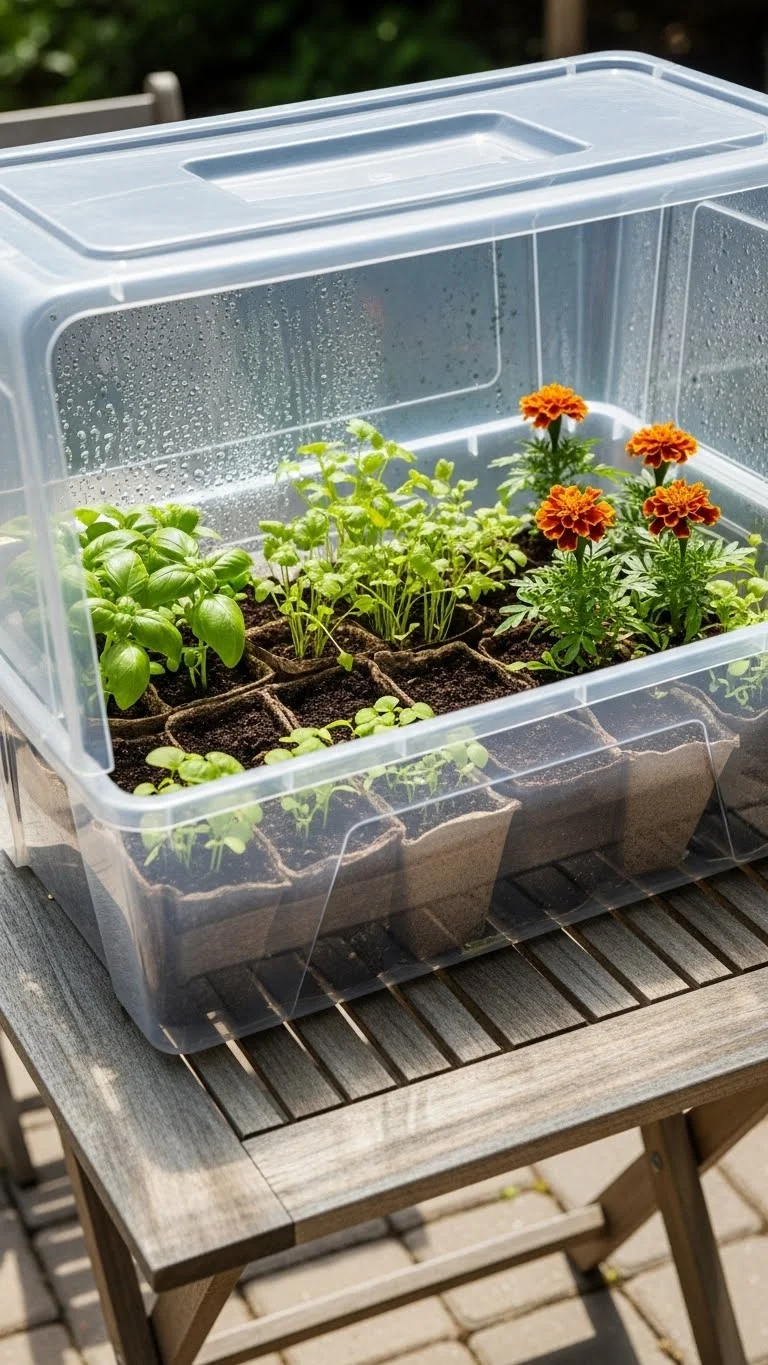
Clear bins trap warmth and moisture, helping seedlings grow fast in limited space. Flip a bin over a tray of pots to create a simple greenhouse. This protects plants from wind and fluctuating temps. It’s cheap, easy, and portable. Use vents or small holes to avoid trapped humidity. Great for starting tomatoes, peppers, or herbs. The bin stores neatly when not needed. This trick helps you start more plants in a tiny area without buying fancy gear.
- Use Window Boxes Inside and Out
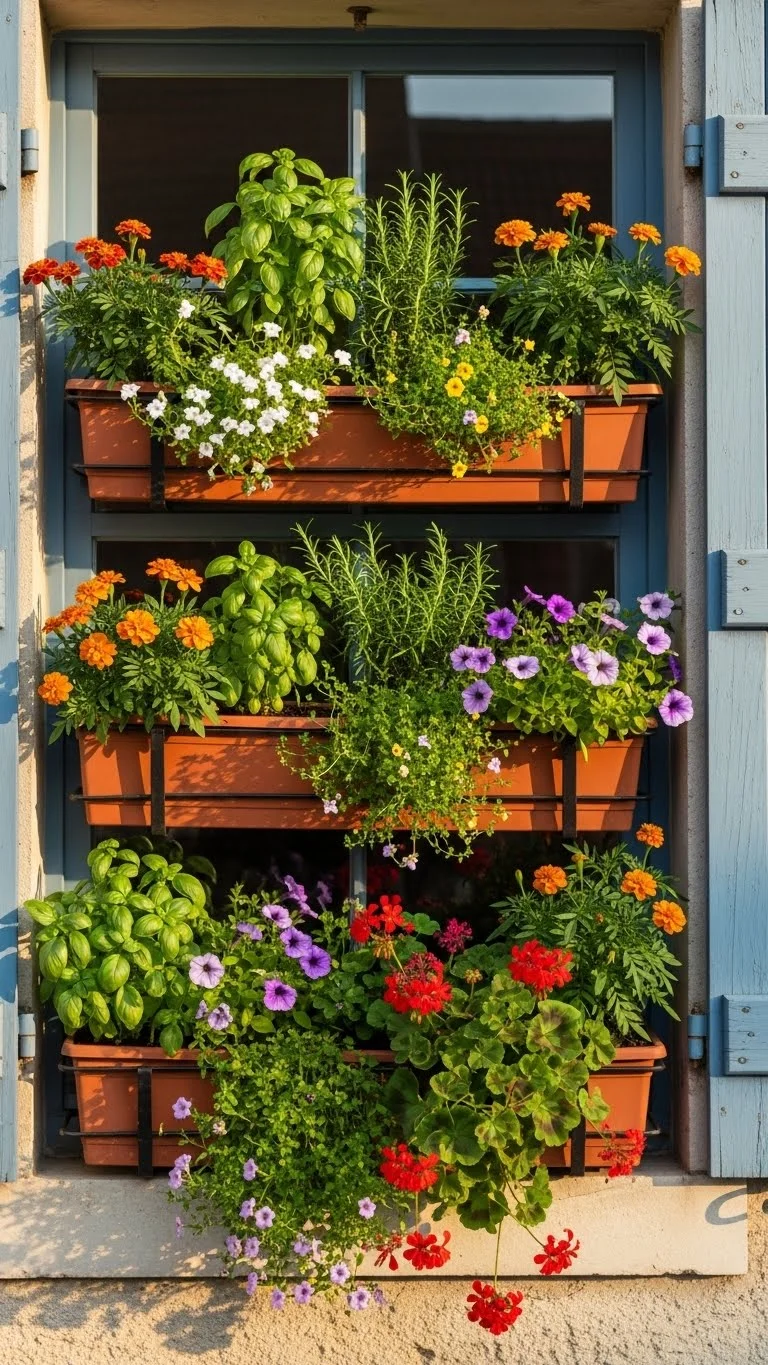
Window boxes make use of unused ledges. They’re perfect for herbs and small flowers. Place boxes inside for easy watering or outside if you want more sunlight. Lightweight plastic boxes work best for renters. Add a small layer of gravel underneath soil to avoid soggy roots. A low-cost idea is to decorate plain boxes with outdoor paint. Keep plants clipped so they don’t droop into the window area. This setup adds charm while saving precious floor space.
- Try Ladder-Style Plant Stands
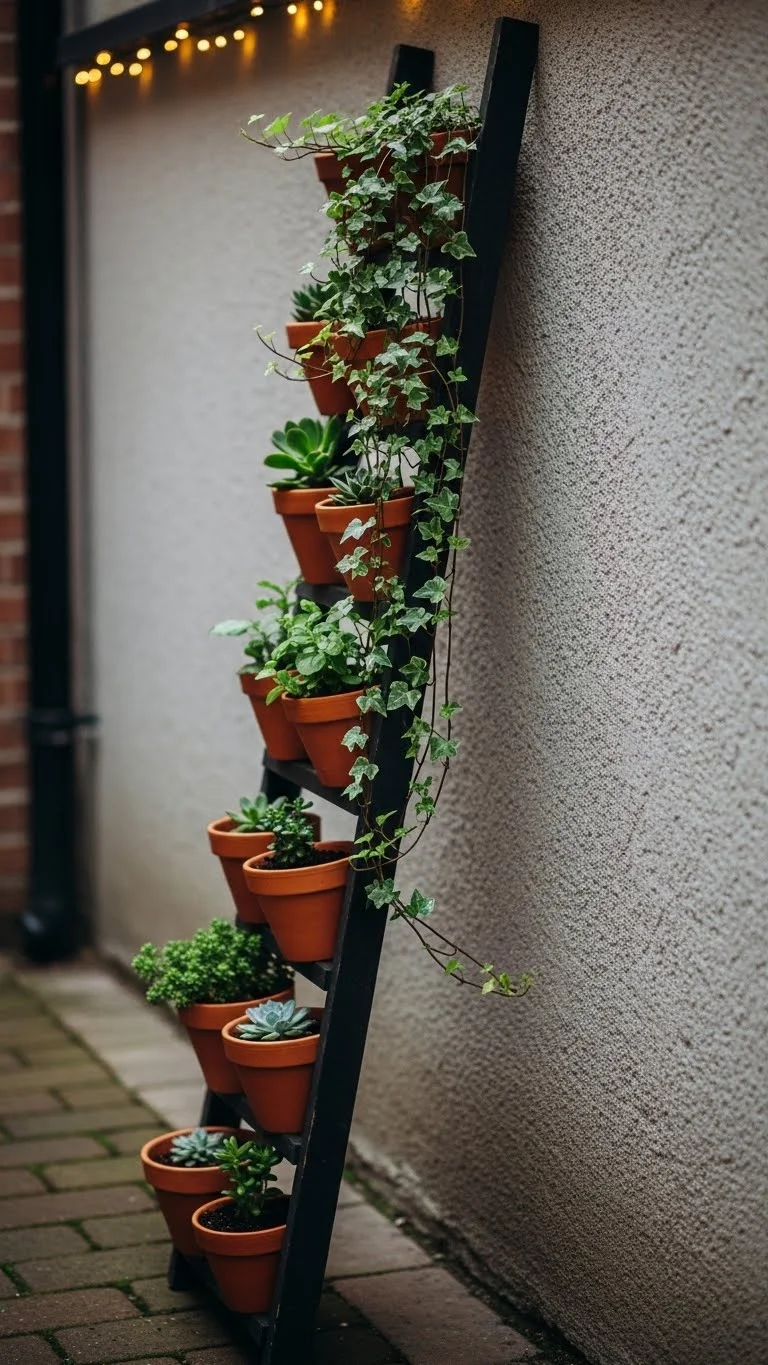
Ladder stands lean neatly against a wall and hold several layers of pots. They work well in corners that usually stay empty. Use lightweight containers so the ladder stays steady. If building your own, sand the wood to avoid splinters and add a clear sealant. Grow small flowers, strawberries, or trailing vines. Rotate pots so every plant gets light. You can fold many ladder stands flat for winter storage. This makes it a practical choice for small homes.
- Mix Edibles With Decorative Plants
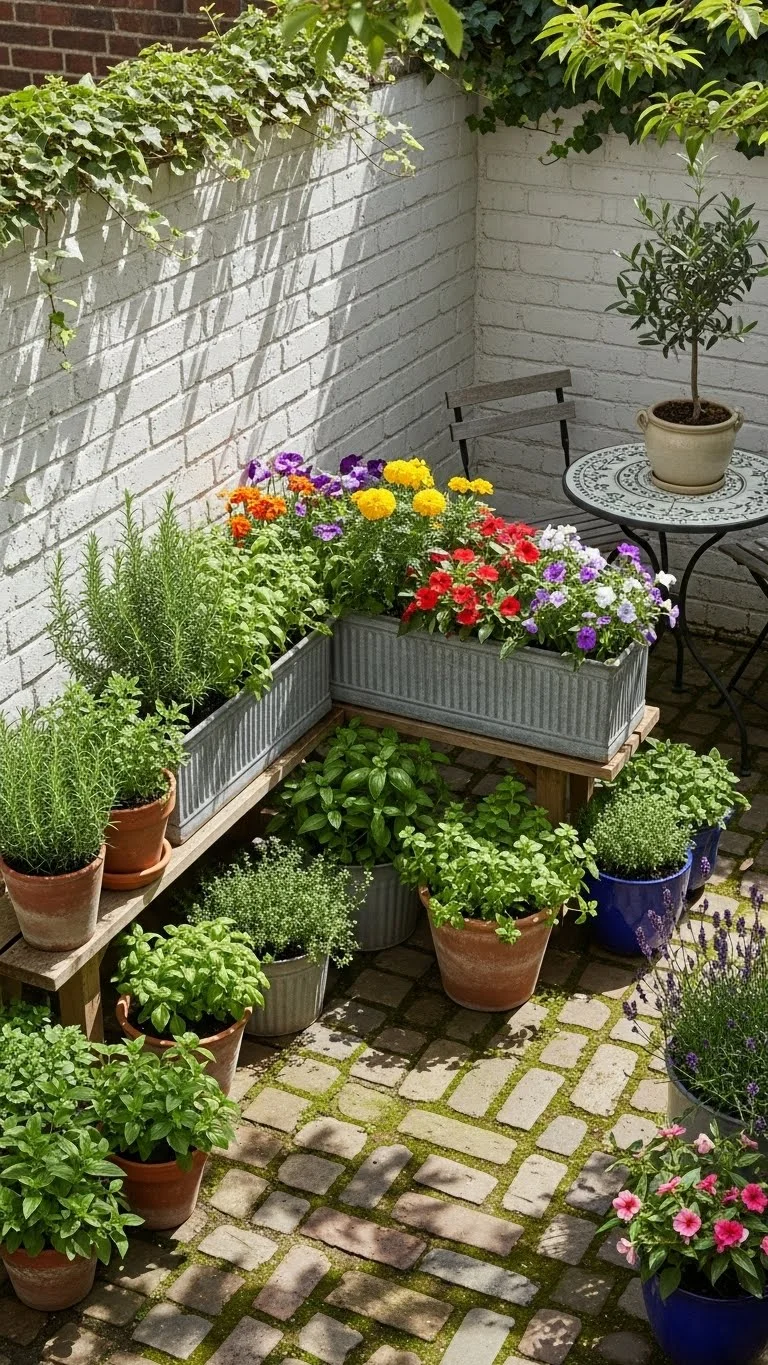
Combining edibles with flowers saves space and adds color. Tomatoes can share a pot with marigolds. Basil works well with petunias. Mint pairs with bright annuals in a deep container. This approach helps you grow more while keeping the area visually balanced. Start with one mixed pot and expand as you learn which plants thrive together. Use slow-release fertilizer to keep growth steady. If buying many plants feels pricey, divide larger pots of flowers into smaller sections to stretch your budget.
- Grow Microgreens on a Small Shelf
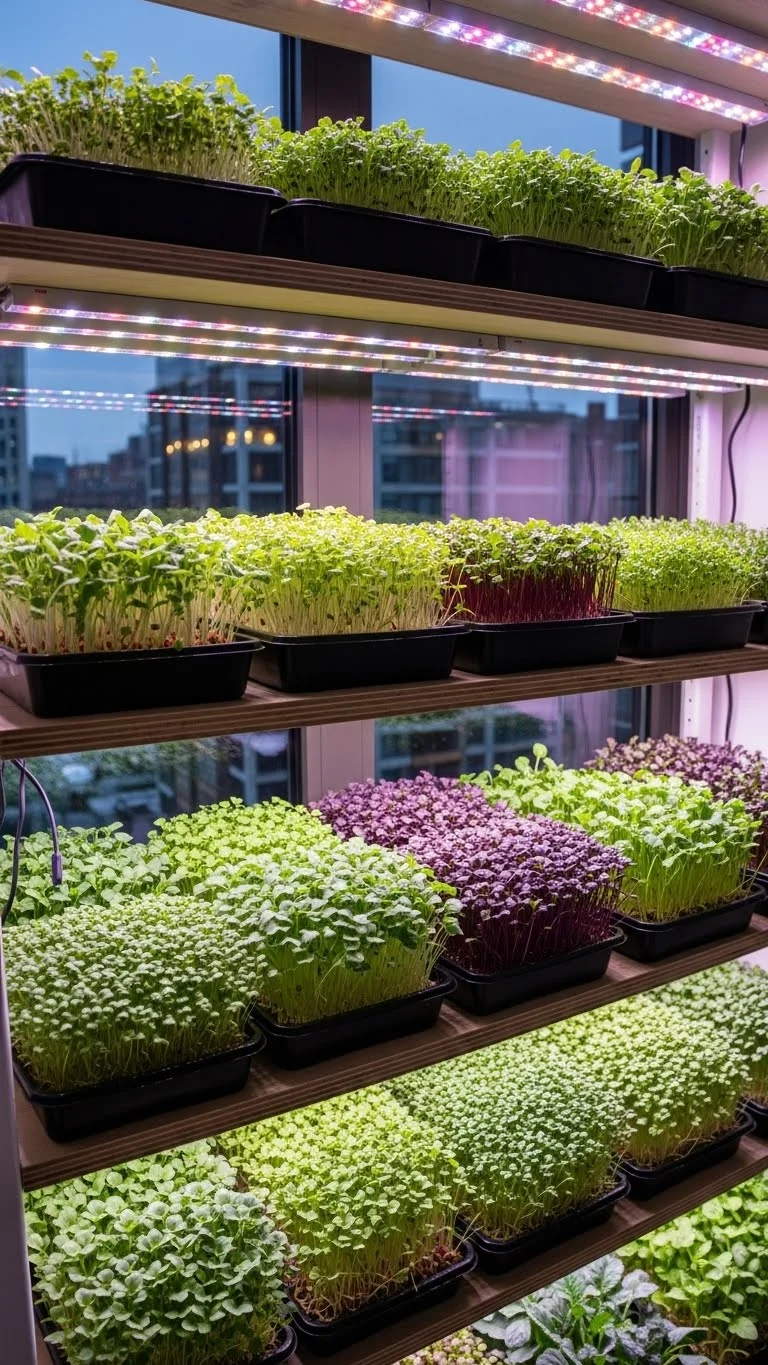
Microgreens require almost no space. A single shelf can produce several trays at once. Use shallow containers and a basic grow mat. Sunlight from a window is enough for many varieties. Cut microgreens with scissors when they’re a few inches tall. They regrow quickly if left with some stem. Seeds are cheap, and trays stack neatly when not in use. This method gives you a constant supply of flavor without large pots.
- Use Rolling Plant Caddies
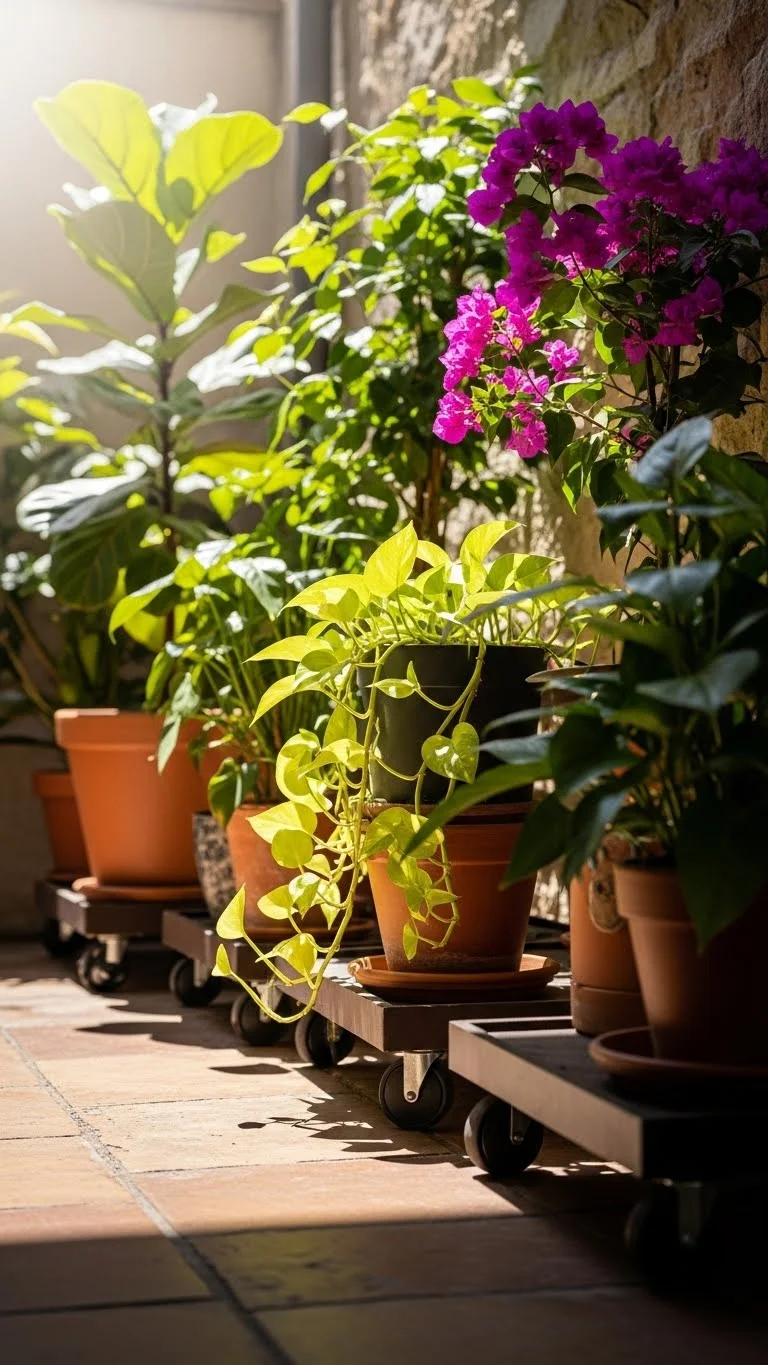
Plant caddies with wheels let you move heavy pots easily. This helps you shift pots toward sunlight or open space when needed. Choose sturdy plastic or wooden caddies that stay smooth on concrete or tile. For a low-cost version, attach wheels to scrap wood. Group pots on caddies to create a mobile garden cluster. When guests visit, just roll them aside. This keeps your space flexible without limiting how much you grow.
- Grow Food in Fabric Grow Bags
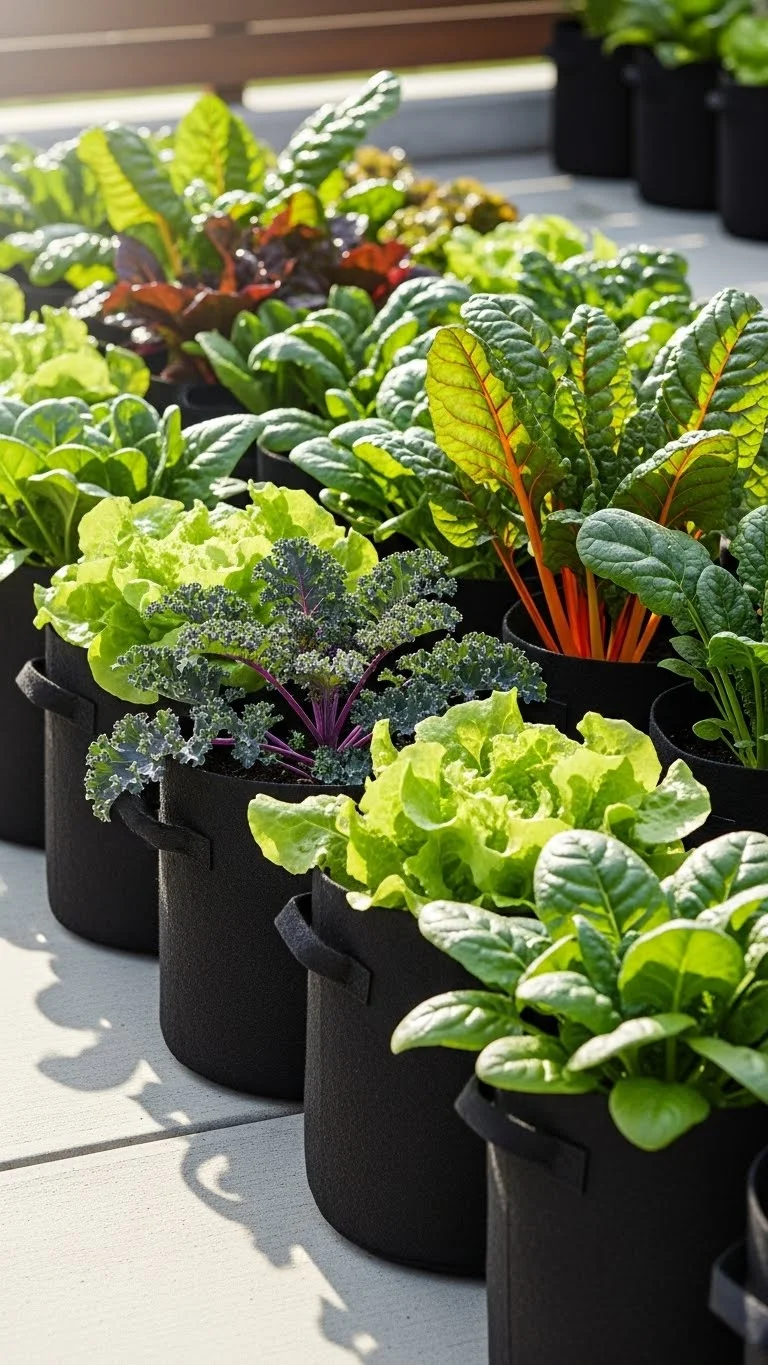
Fabric grow bags fold flat, drain well, and take very little room. They’re perfect for tomatoes, potatoes, or greens. Place them on trays to control water runoff. Because they’re lightweight, you can move them easily. If buying several bags costs too much, start with one or two. Fill with a soil mix that stays loose so roots breathe. Replace the top layer of soil each season to refresh nutrition. These bags let you expand your garden without adding bulky containers.
- Use Over-the-Door Organizers for Seedlings
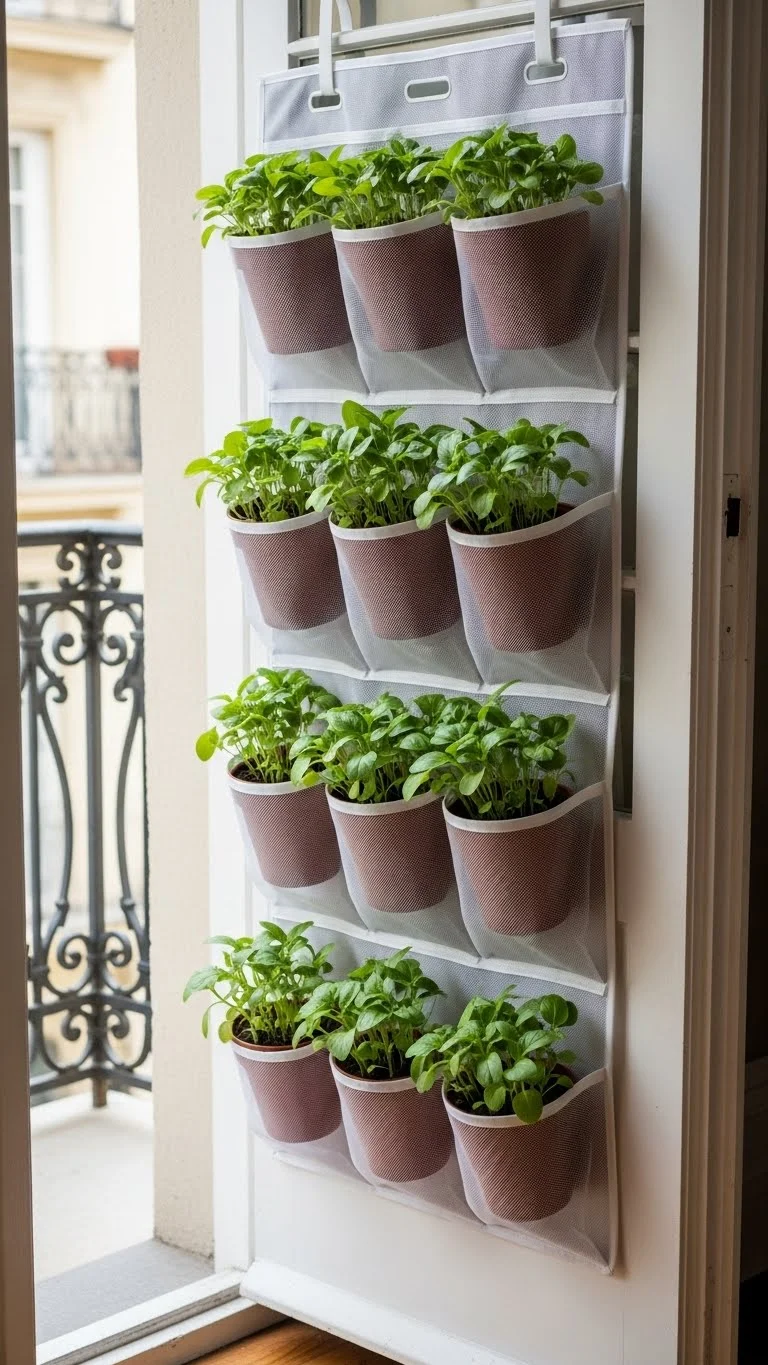
Pocket organizers usually hold shoes, but they also fit small pots. Hang one on a balcony door or indoor wall near sunlight. Herbs, small flowers, and baby lettuces grow well in these pockets. Line pockets with plastic to hold soil. Add drainage holes so water doesn’t pool. This keeps seedlings tidy and off valuable surfaces. It’s an inexpensive alternative to buying vertical planters. Replace pockets that wear out over time to keep things neat.
- Create a Corner Herb Station
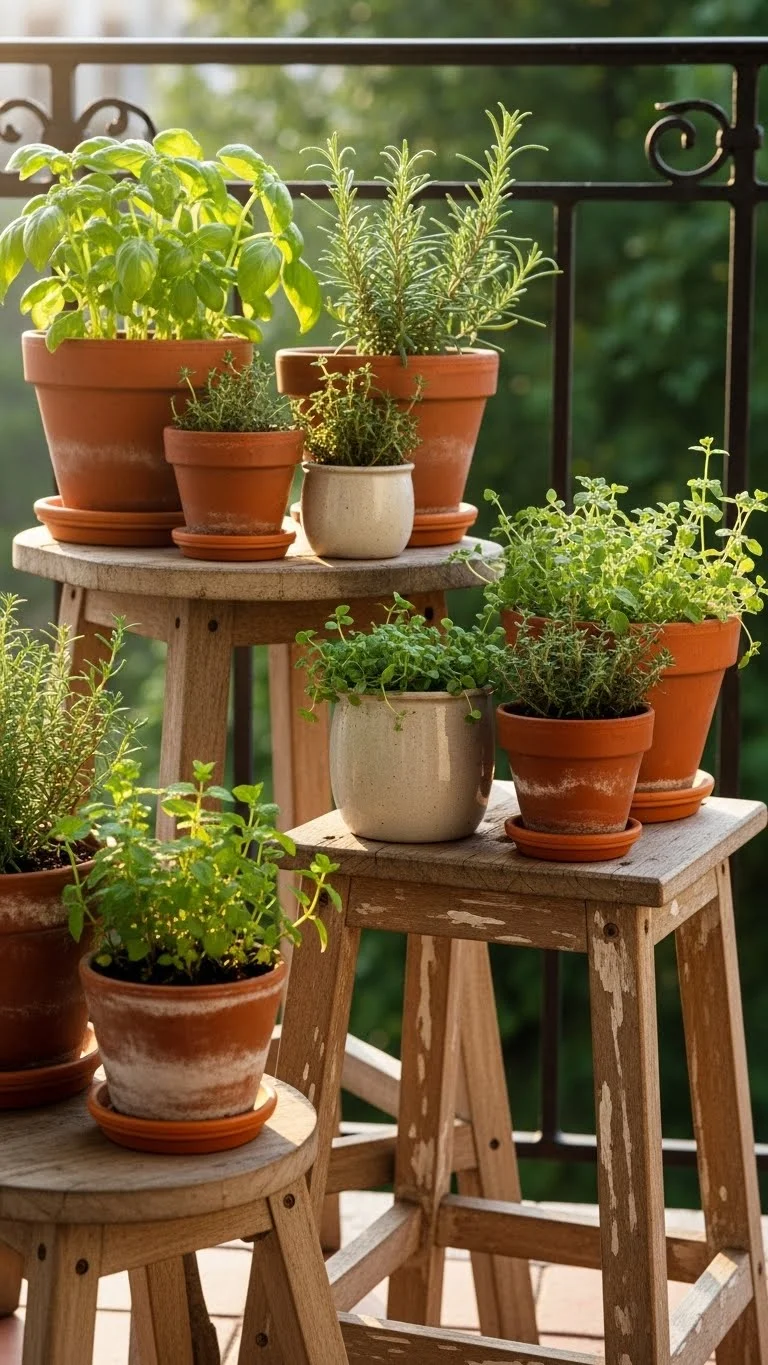
Corners often stay unused. Turn one into a compact herb station with two stools or crates of different heights. Place rosemary and sage on the tallest level, and basil or mint below. Keep a small watering bottle nearby. If you cook often, this makes herbs easy to reach. For a budget version, use thrifted stools or leftover lumber. This corner setup adds greenery without blocking walkways.
- Grow Plants Along Fence Lines
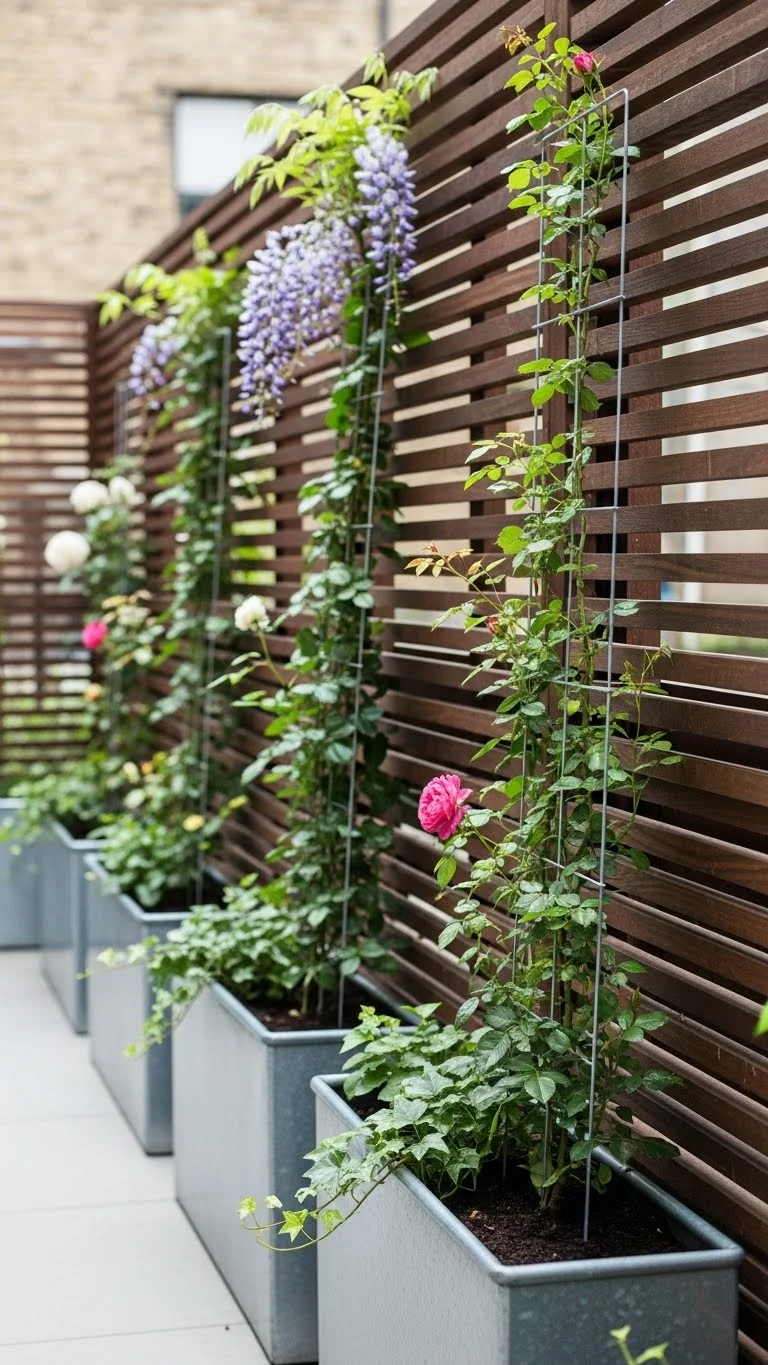
Fences offer a long, narrow surface. Attach hooks, rails, or brackets to hold slim planters. Choose plants that don’t spill out widely. Leafy greens, small flowers, or climbing peas fit well. A simple wire fence also supports vines. This keeps plants tidy while using space that would otherwise sit empty. Add a row of solar lights above the fence to brighten the area at night.
- Use Stacked Pots With Center Poles
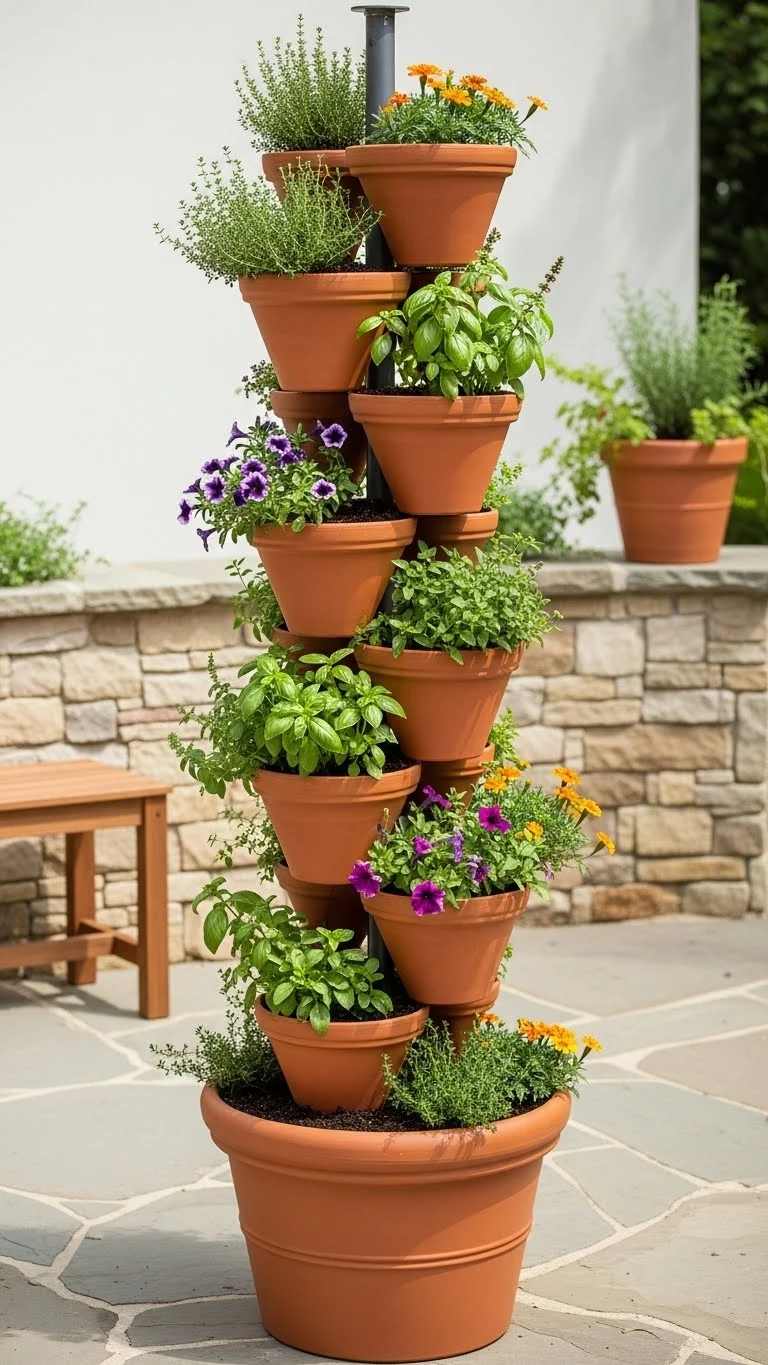
Stacked pots save square footage and look charming. Place a strong pole through the center to keep everything stable. Fill the lower pot with heavier soil. Use smaller pots as you go upward. Herbs and flowers stay contained while forming a small tower. For a budget option, mix thrifted pots. Add mulch to the surface to slow drying. This tower fits on small patios, porches, and steps.
- Turn Buckets Into Space-Saving Containers
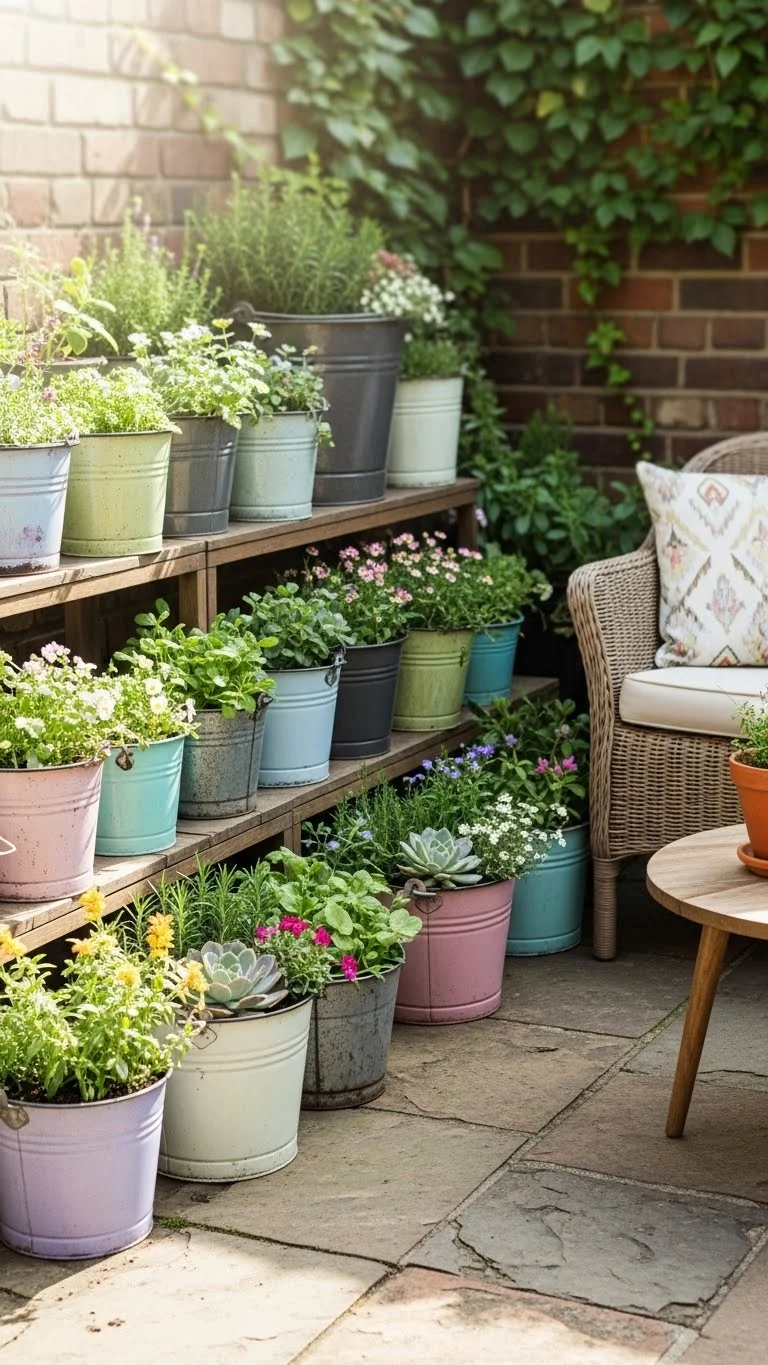
Buckets are cheap, durable, and easy to carry. Drill holes in the bottom and fill with soil. Use them for tomatoes, peppers, or flowers. Place buckets in a tight group to save space. Add handles for easier movement. Paint them to make the area brighter. This is one of the simplest ways to add more growing room without buying pricey planters. Replace broken buckets easily and stack them when not in use.
- Build a Small Folding Potting Table
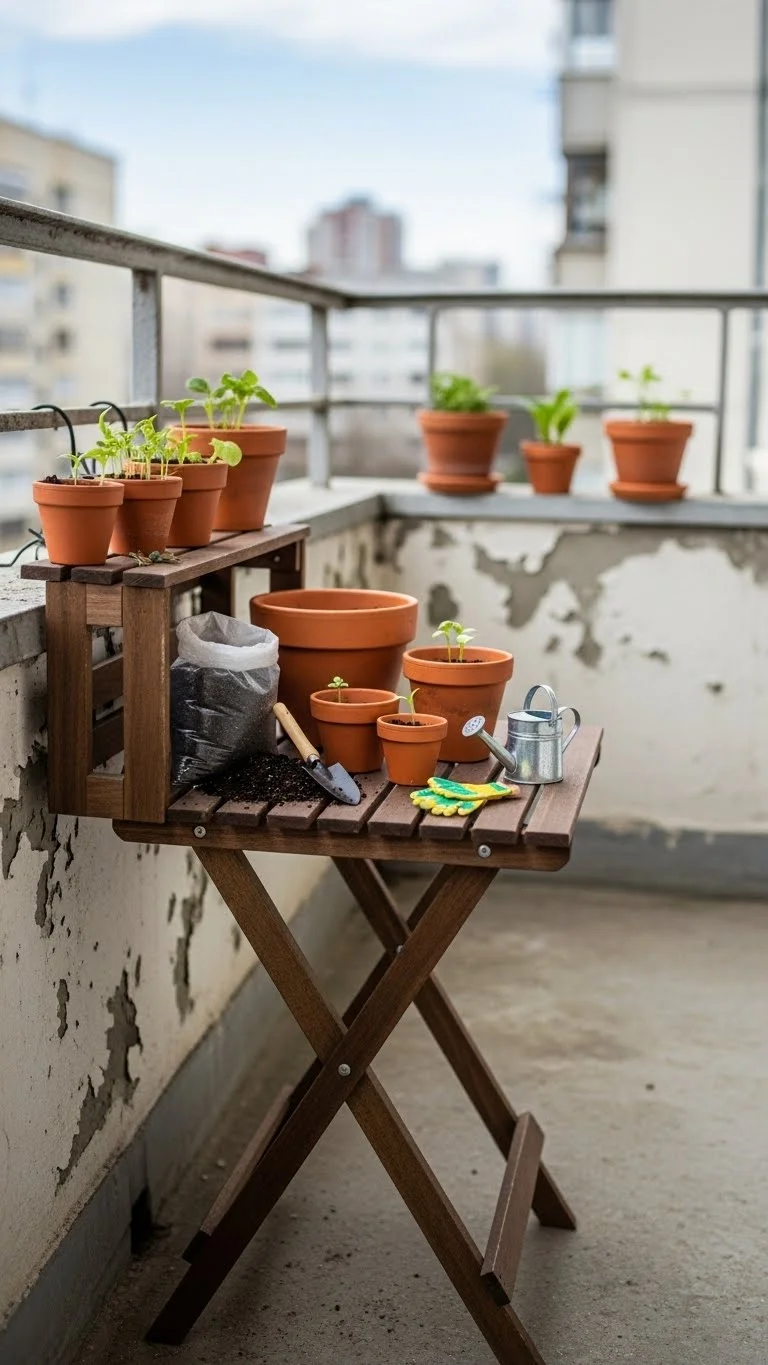
A folding table gives you space to repot plants without clutter. Open it only when needed. Store soil, tools, and trays in a small basket below. A cheap wooden TV tray works perfectly. Wipe it after each use to keep it clean. When folded, it fits behind a door or wall. This keeps your small space organized and flexible. You get a simple workstation that doesn’t take away from growing room.
- Grow Edibles in Stackable Drawer Units
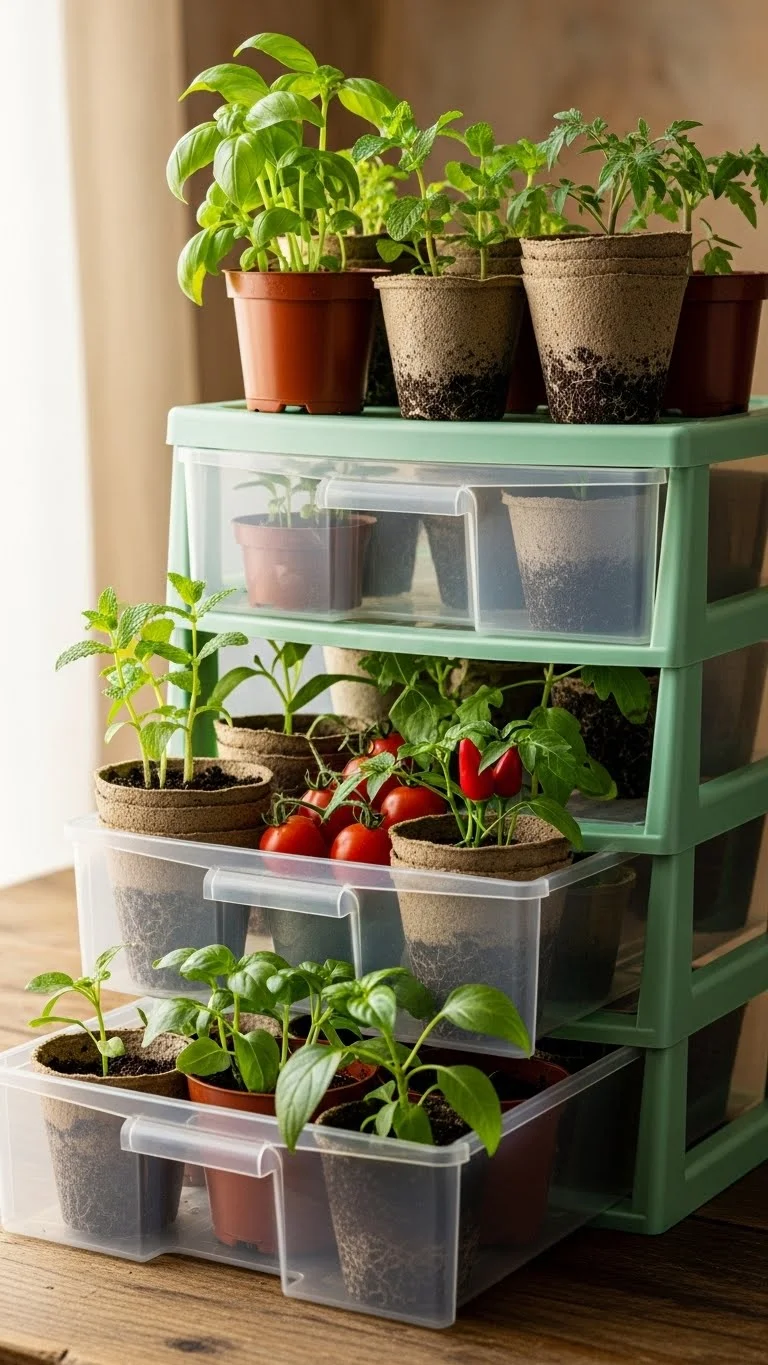
Stackable drawers hold many containers without spreading out. Remove the drawers and use each tier as a shelf. Place herbs, lettuce, or flowers inside. This setup works indoors or outdoors. Because the frame is narrow, it fits near walls. You can often find these units for very low prices. Use trays to catch water and keep the area tidy. Rearrange tiers as plants grow.
- Use Magnetic Pots on Metal Surfaces
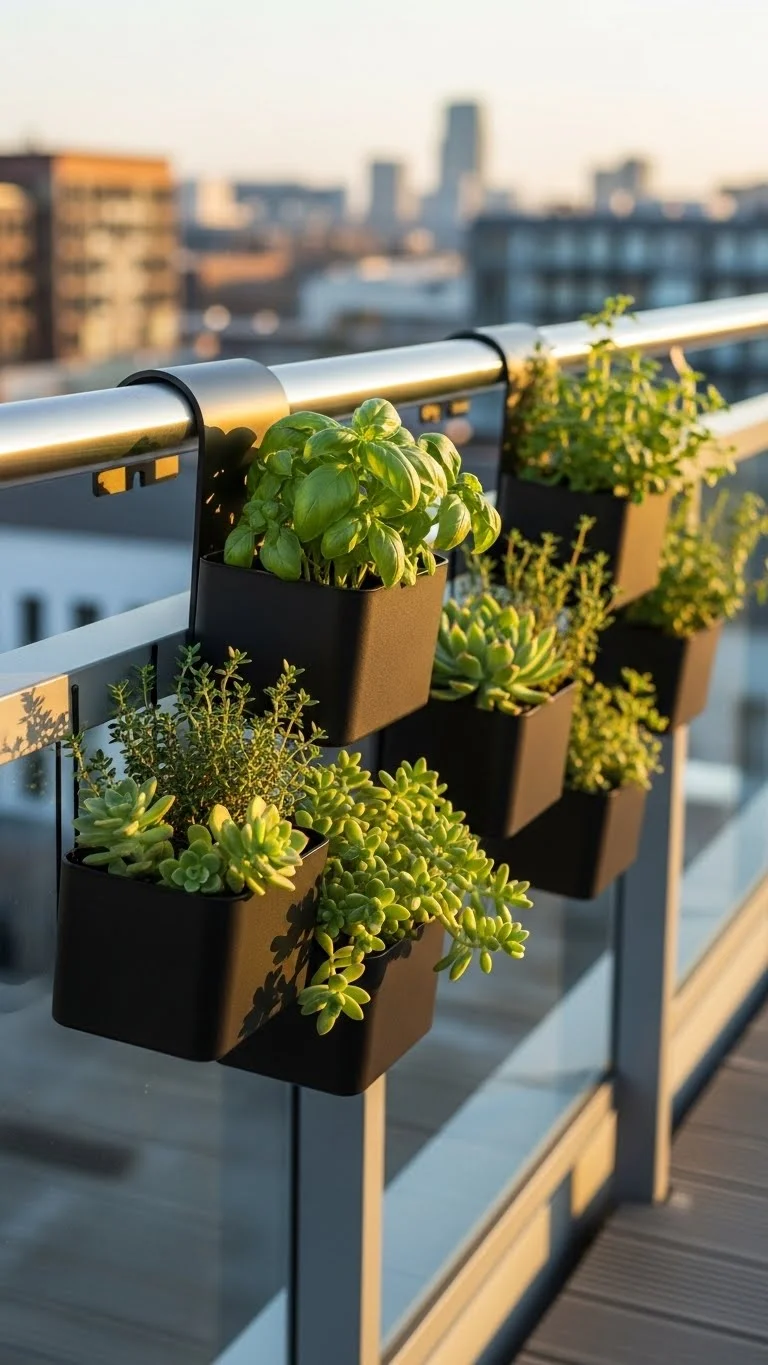
Magnetic pots grip metal railings or appliances. They’re perfect for tiny herbs or succulents. Look for strong magnets so pots stay secure. For a budget method, glue magnets to small tin containers. Keep soil light to avoid slipping. This idea works well for renters because no drilling is needed. Move pots around to adjust sunlight or create a fun pattern.
- Create a Mini Watering Station
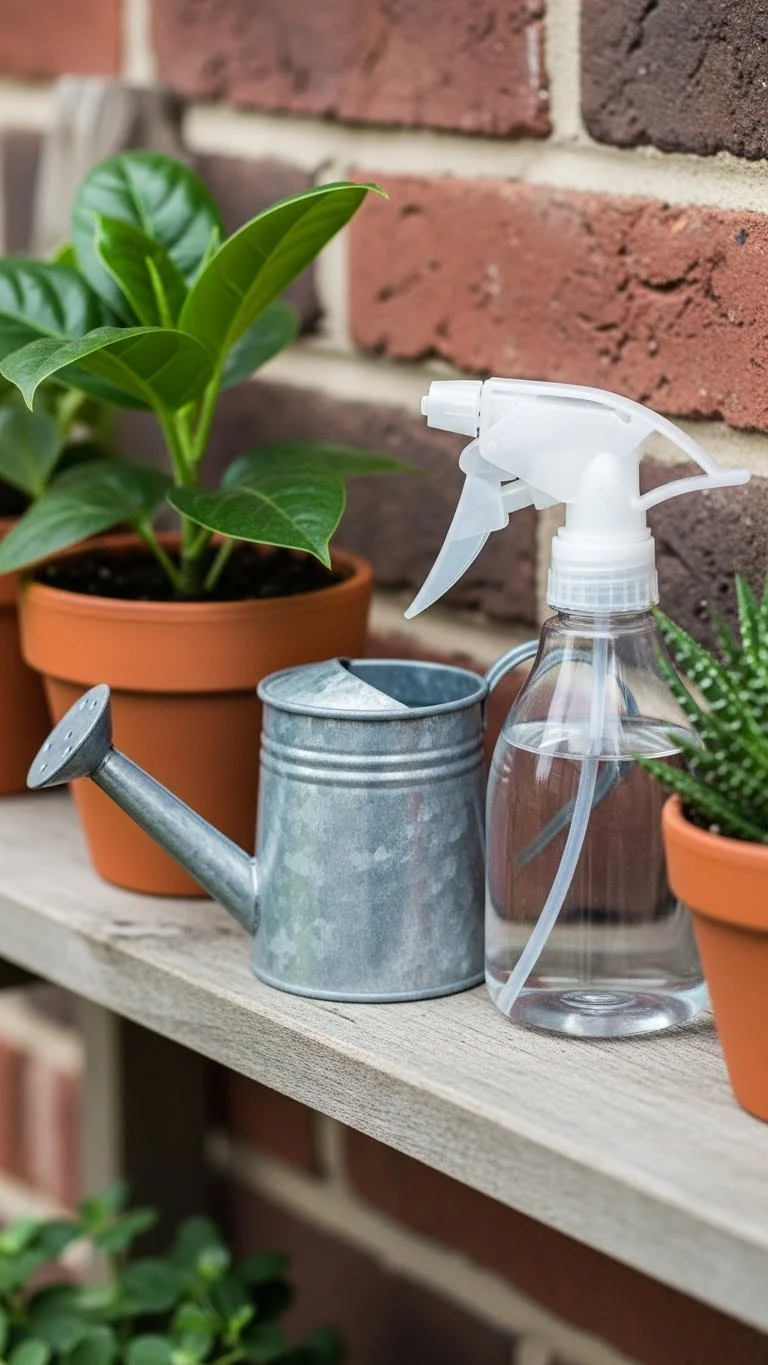
A small watering station keeps your tools in one place. Use a narrow basket or crate to hold a spray bottle, hand trowel, and plant food. Place it under a shelf or beside pots. This saves time and keeps your area tidy. A thrifted basket or old storage bin works well. Keeping tools nearby encourages quick care, which helps plants stay healthy in tight spaces.
- Use Lighting to Grow More After Dark
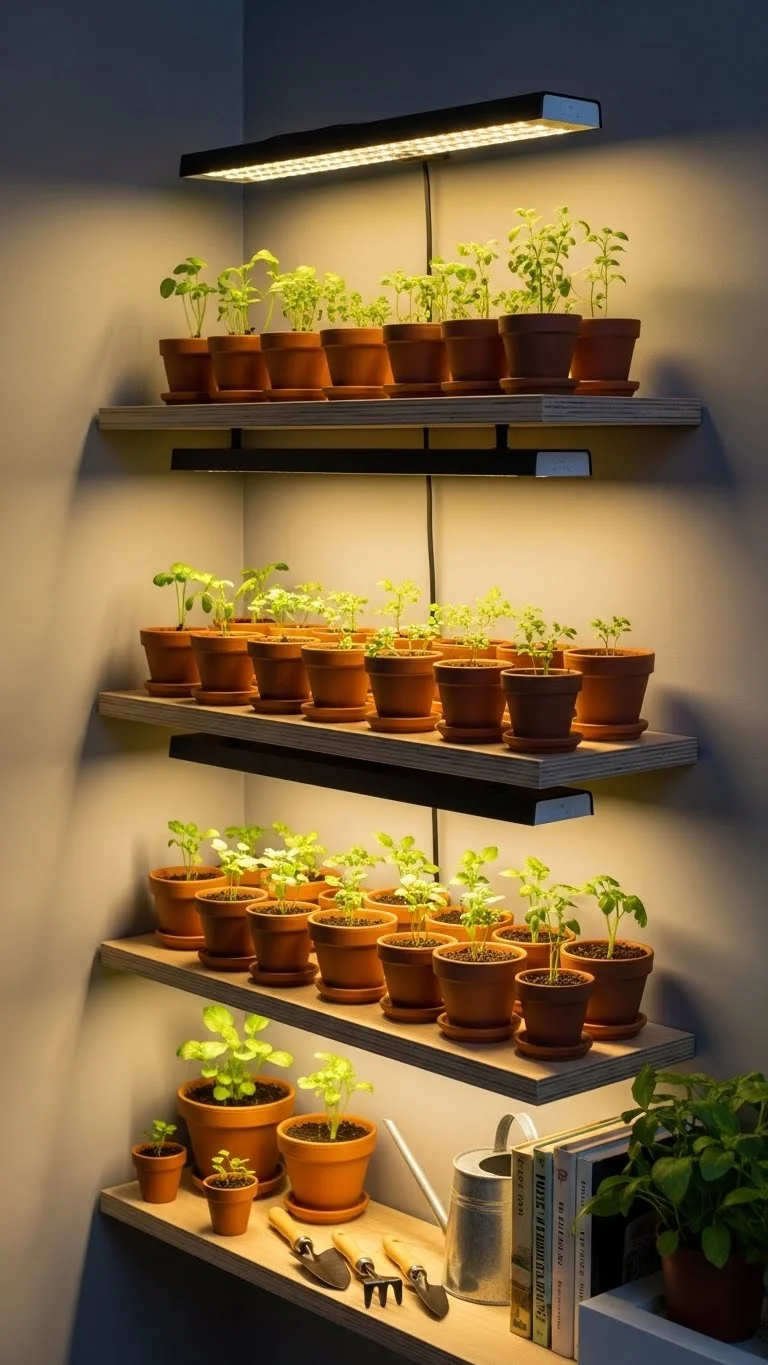
Grow lights let you raise herbs and leafy greens even if your home gets limited sunlight. Small clip-on lights take almost no space. Position them above shelves or windowsills. Start with one light to keep costs down. Use a timer so plants get steady light without fuss. This helps you grow indoors while keeping your balcony free for other containers. Lights work well for winter growing when outdoor areas feel too cold.
Conclusion
Small areas can grow far more than most people expect. A few smart adjustments turn balconies, patios, and tight corners into productive spaces filled with color and flavor. Start with one or two ideas from this list and build slowly. Simple, low-cost changes make a clear difference and help you enjoy gardening even when room feels limited.
