


23 Inspiring Indoor Gardening Tips to Green Up Your Home
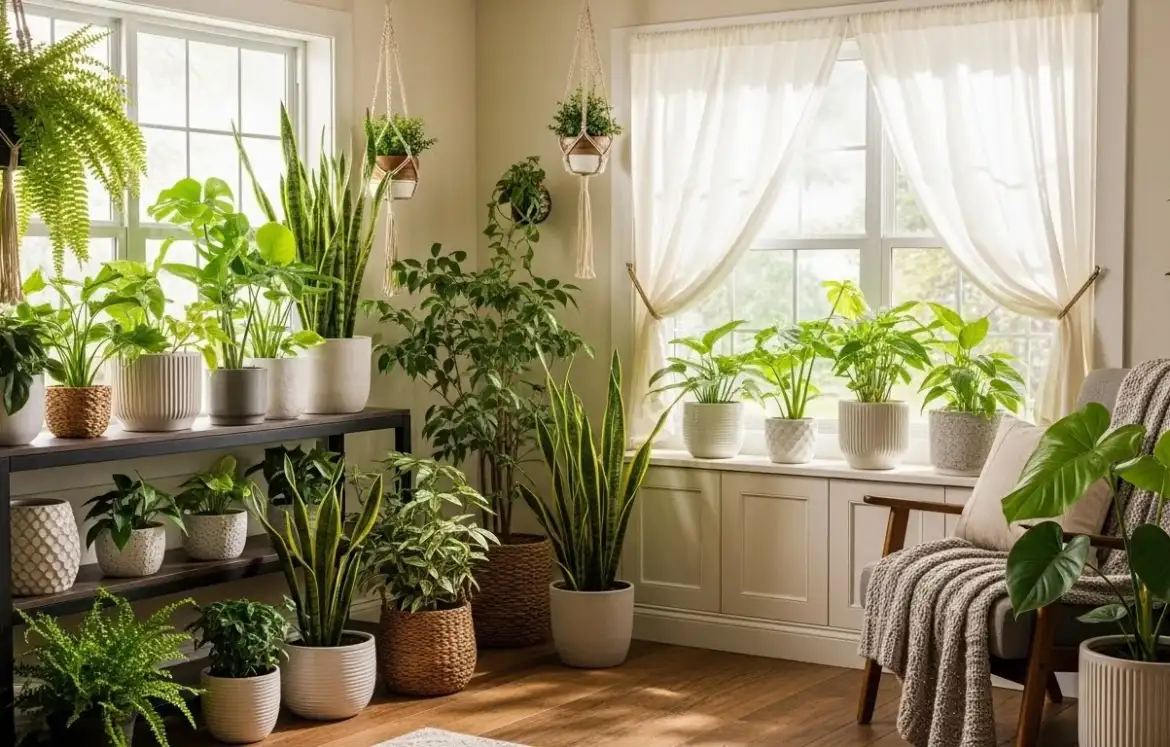
Indoor gardening can turn any corner of your home into a green, calming space. Small changes like better placement, simple DIY setups, and choosing the right plants can make a big difference. Whether you live in an apartment or a large house, these ideas help you grow healthier plants without extra hassle. Here are practical ways to bring greenery indoors while keeping the process simple and budget-friendly.
- Create a Window Ledge Garden
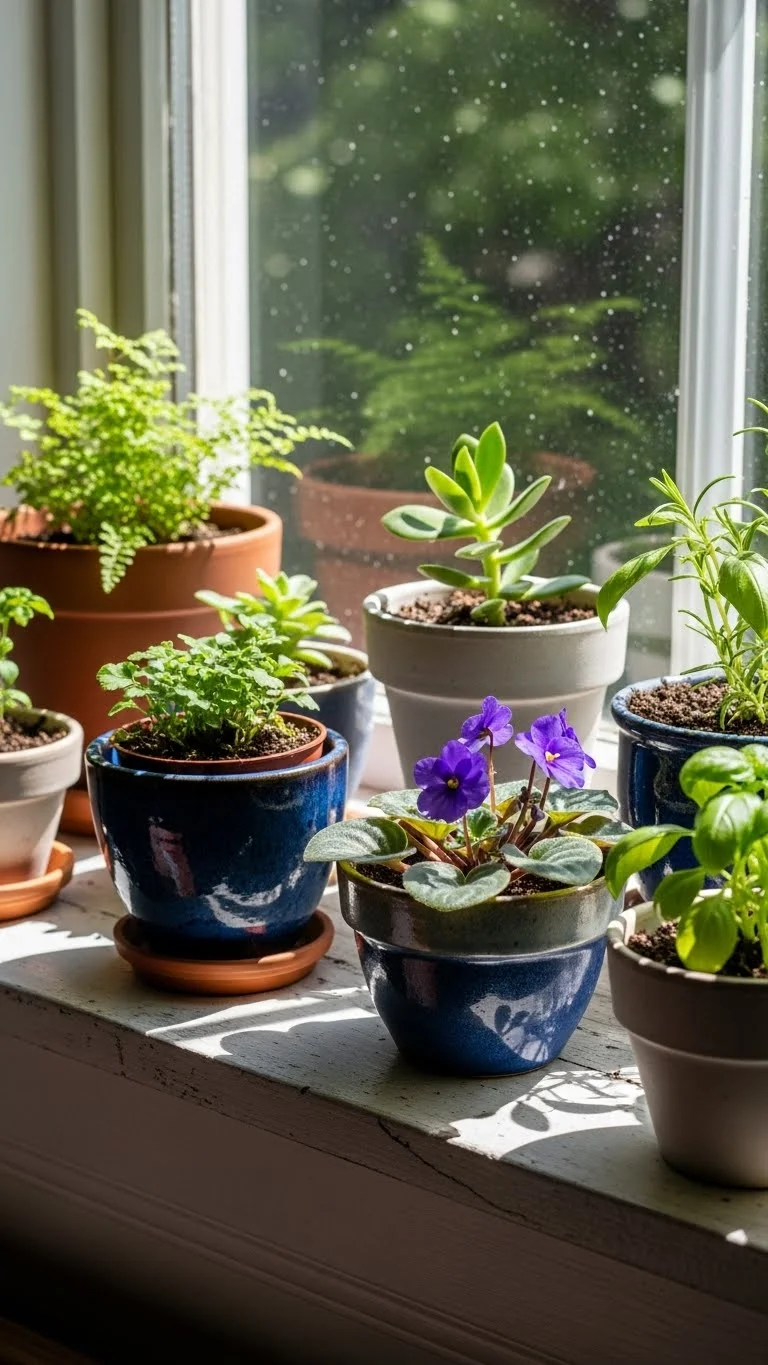
A window ledge garden works well even in tight spaces. Pick a few small pots that don’t take up much room. Herbs, succulents, and tiny ferns fit well along a wide ledge. Choose lightweight pots so you can shift them around when light changes. Keep saucers underneath to protect the sill. If your window doesn’t get strong light, add a plug-in grow bulb nearby to help your plants stay healthy. This setup stays affordable because you only need a few containers and basic potting mix. Rotate your plants every few days so they grow evenly. Wipe the window often to let in as much light as possible. A small tray of pebbles also helps with humidity. Simple steps like these make a window ledge garden both pretty and practical.
- Use Vertical Plant Shelves
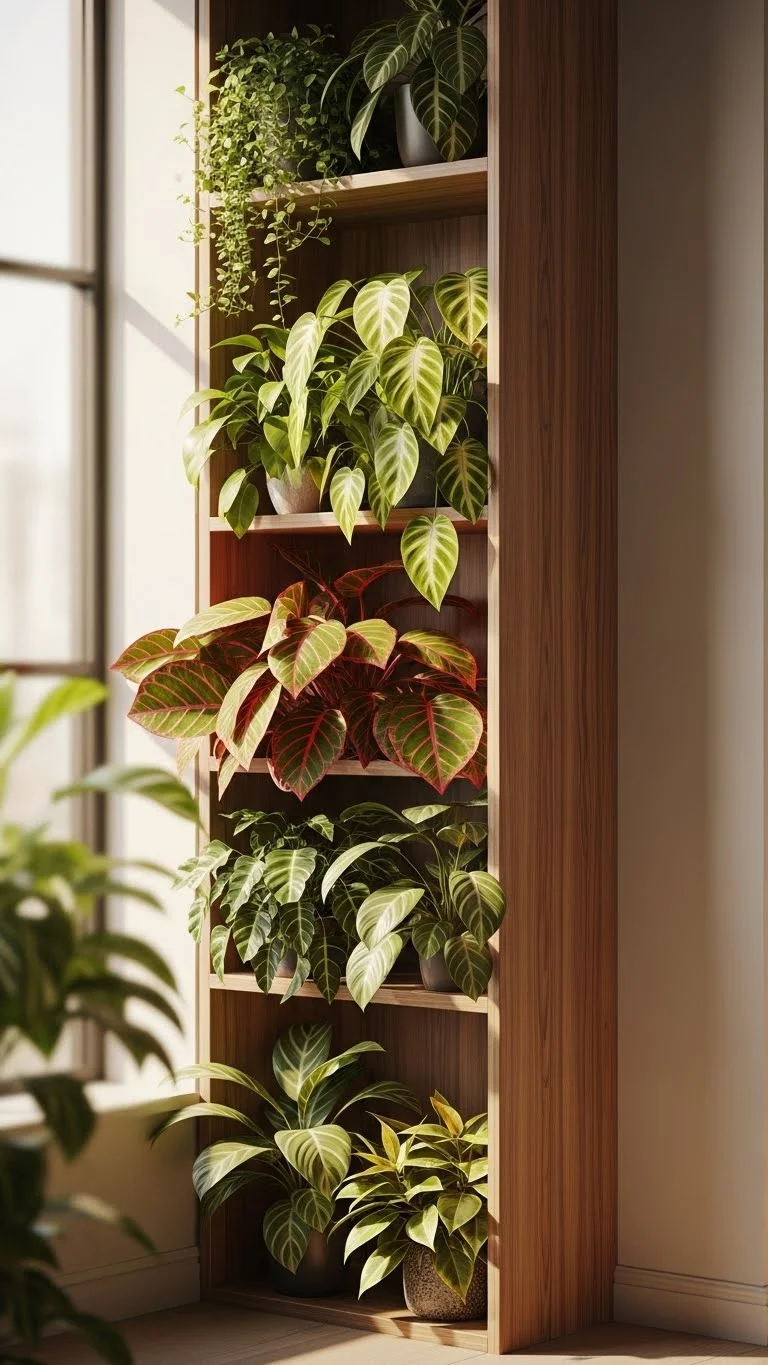
Vertical shelves let you grow more plants without taking floor space. Look for a narrow shelf that fits your wall or corner. Wooden or metal frames both work well. Arrange plants by light level. Place sun-loving varieties on the top shelf and shade-friendly ones lower down. Add a small, inexpensive clip-on light if one section feels dim. You can even repurpose bookshelves you already have. Use trays to catch water so cleanup stays easy. Mix plant heights for a balanced look. A few trailing plants give the shelf soft movement. Rearrange the pots every few weeks to keep things from looking crowded. This setup keeps your plants organized and makes tending them feel simpler.
- Try Hanging Planters for Small Rooms
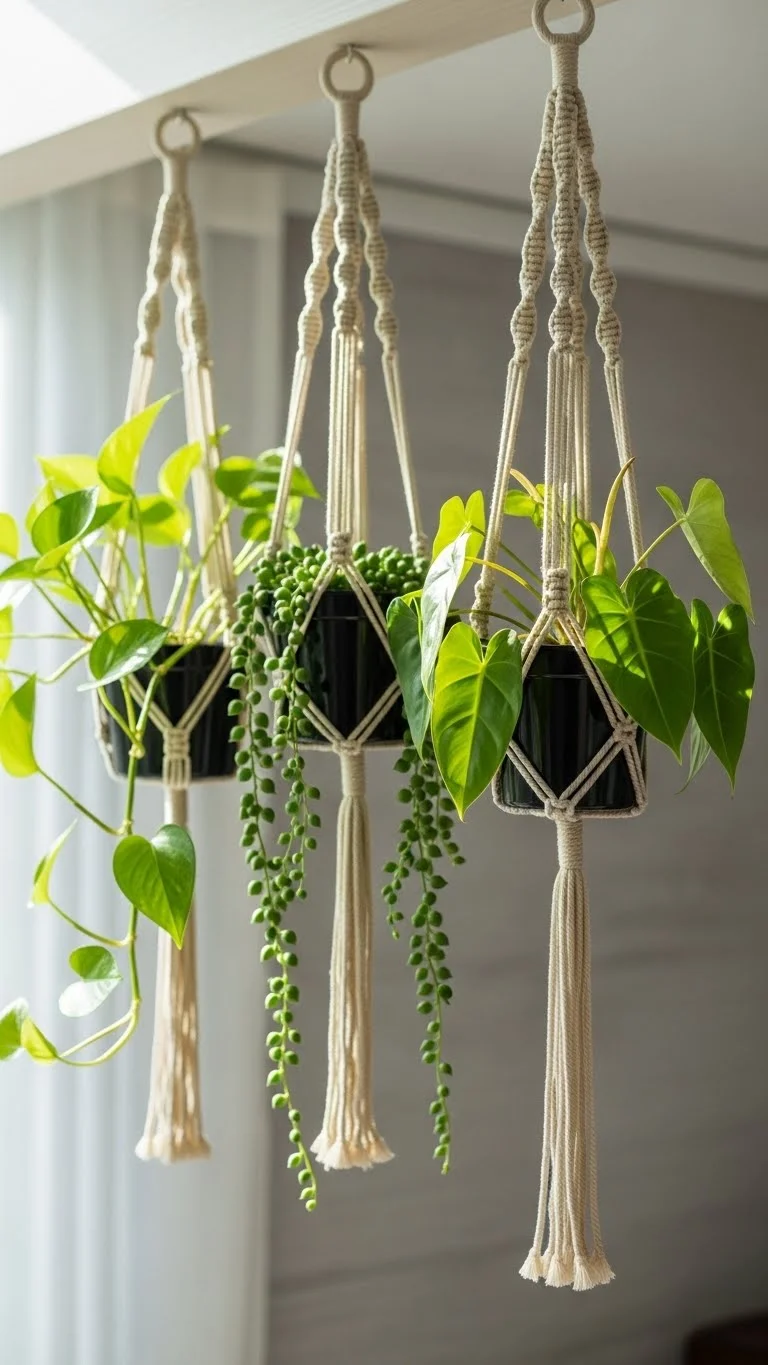
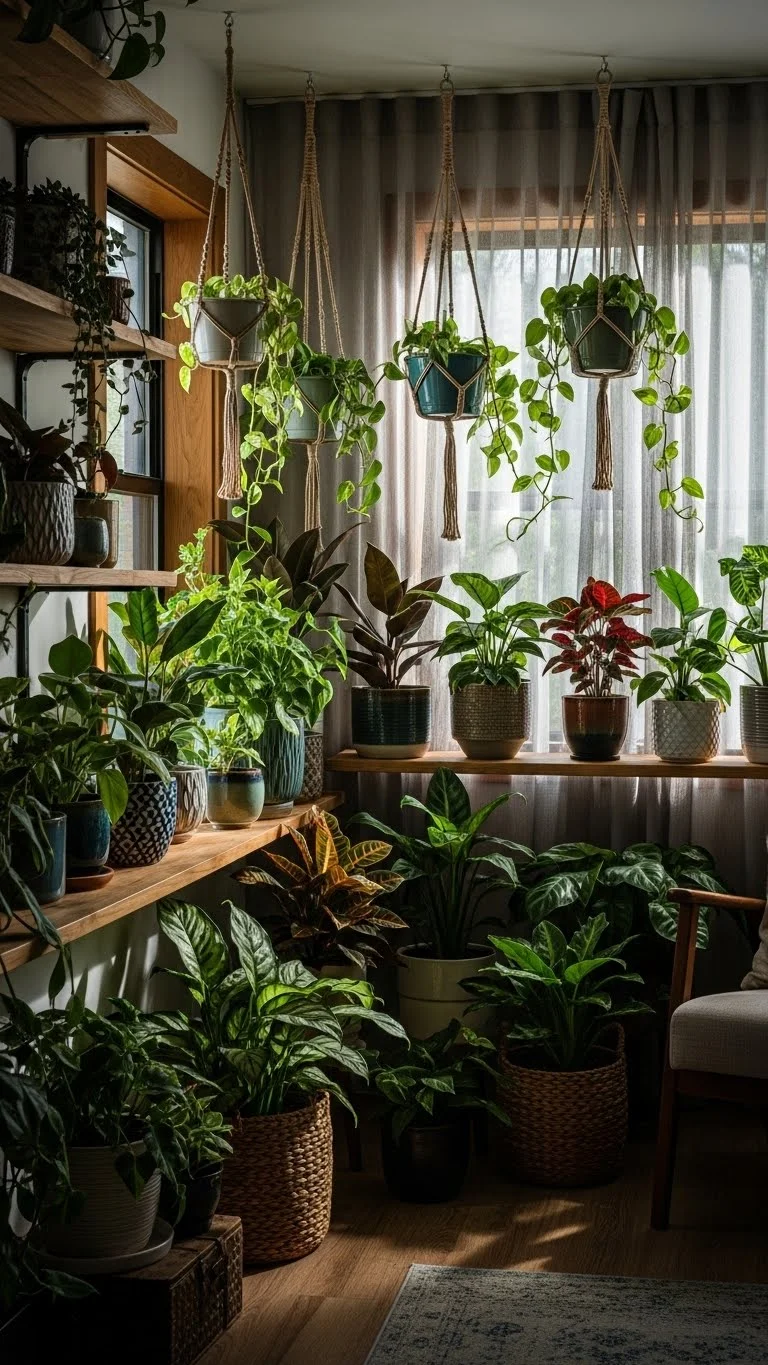
Hanging planters save space and add style to a room. Choose lightweight planters so your ceiling hooks stay secure. Macramé holders, metal rings, or woven baskets all work well. Place plants that trail naturally, like pothos or ivy. Water them slowly so the soil doesn’t spill. Add a drip tray inside the planter if you want extra protection from leaks. If you rent your home, try removable adhesive hooks rated for heavier weight. You can also hang planters from curtain rods. Keep the height low enough so you can reach easily. Use plastic pots inside decorative outer pots to keep watering simple. Hanging planters help lift greenery off surfaces and make your room feel more open.
- Start a Mini Herb Garden in the Kitchen
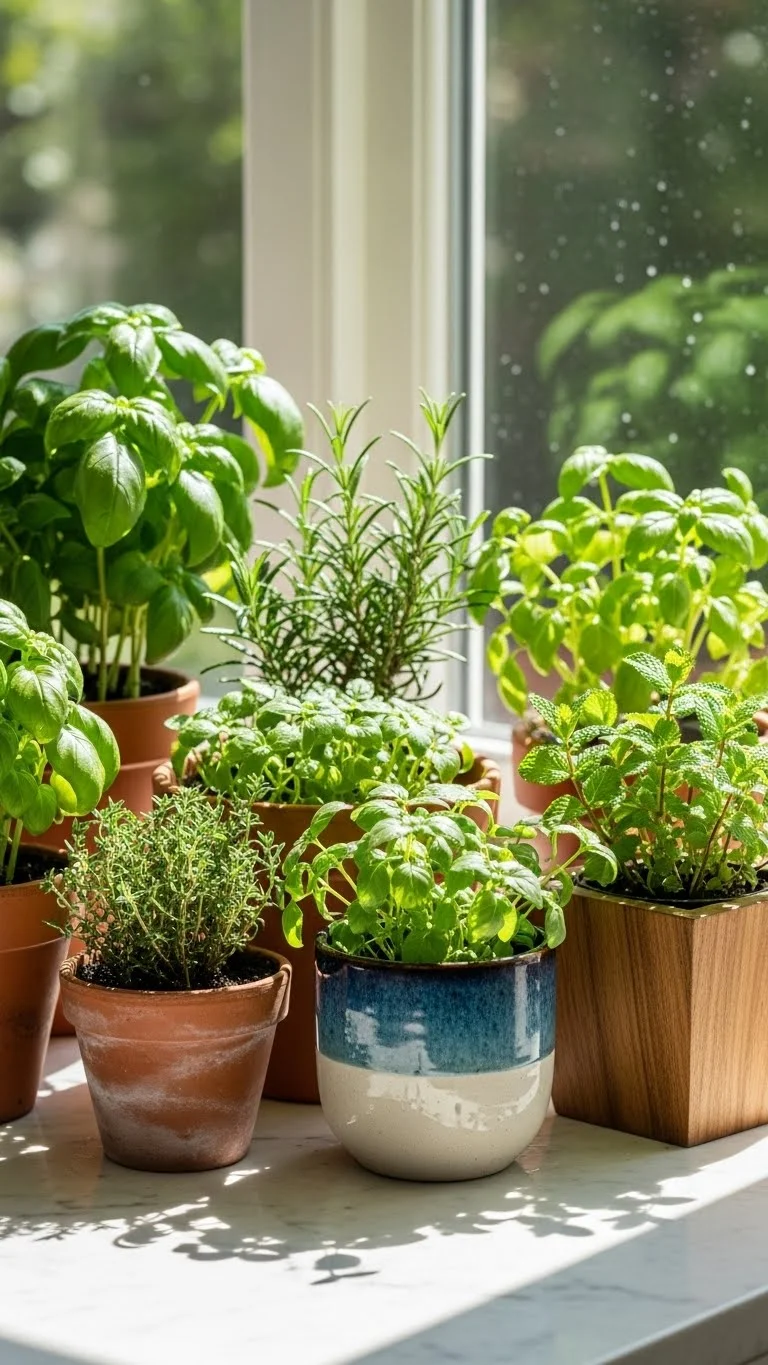
A kitchen herb garden adds convenience and greenery. Place a few small pots near your brightest window. Basil, mint, and parsley grow well indoors. Use recycled jars or tin cans to save money. Just add drainage holes at the bottom. Water lightly and let the soil dry a bit between waterings. A small dish under each pot keeps your counter dry. If space is tight, mount a narrow shelf above the sink. Herbs like steady light, so turn them every few days. Snip often to keep them compact. A kitchen herb setup brings color to your space and always feels useful.
- Group Plants for a Cozy Look
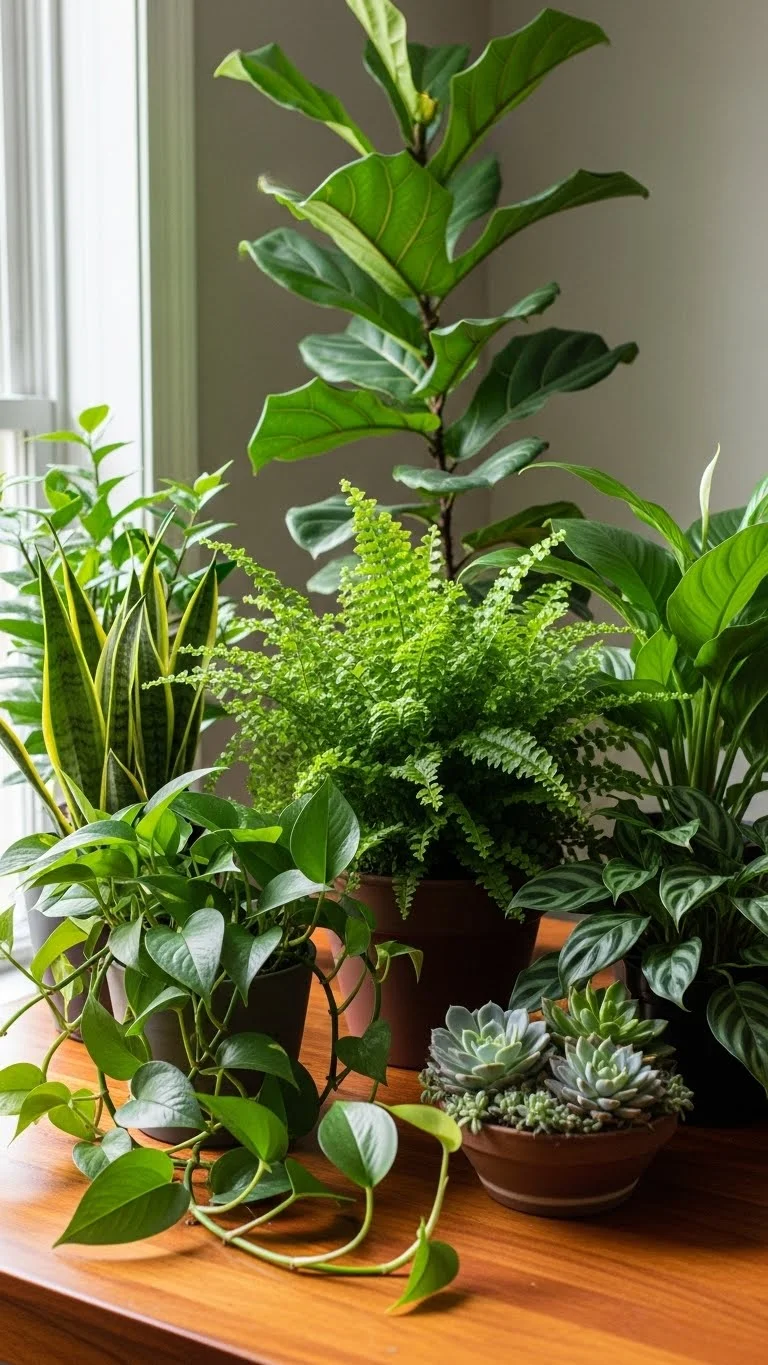
Grouping plants creates a fuller look without buying extra décor. Use different heights to add dimension. Place larger pots in the back and smaller ones upfront. Try mixing glossy, textured, and trailing plants for contrast. Set everything on a tray or basket to keep the group tidy. This also helps with humidity because the plants share moisture. Choose budget pots so you can experiment with arrangements. Grouped plants also make watering faster since they stay in one spot. Shift them slightly every week to let each plant get enough light. This little cluster becomes an easy focal point in any room.
- Add LED Grow Lights in Dark Corners
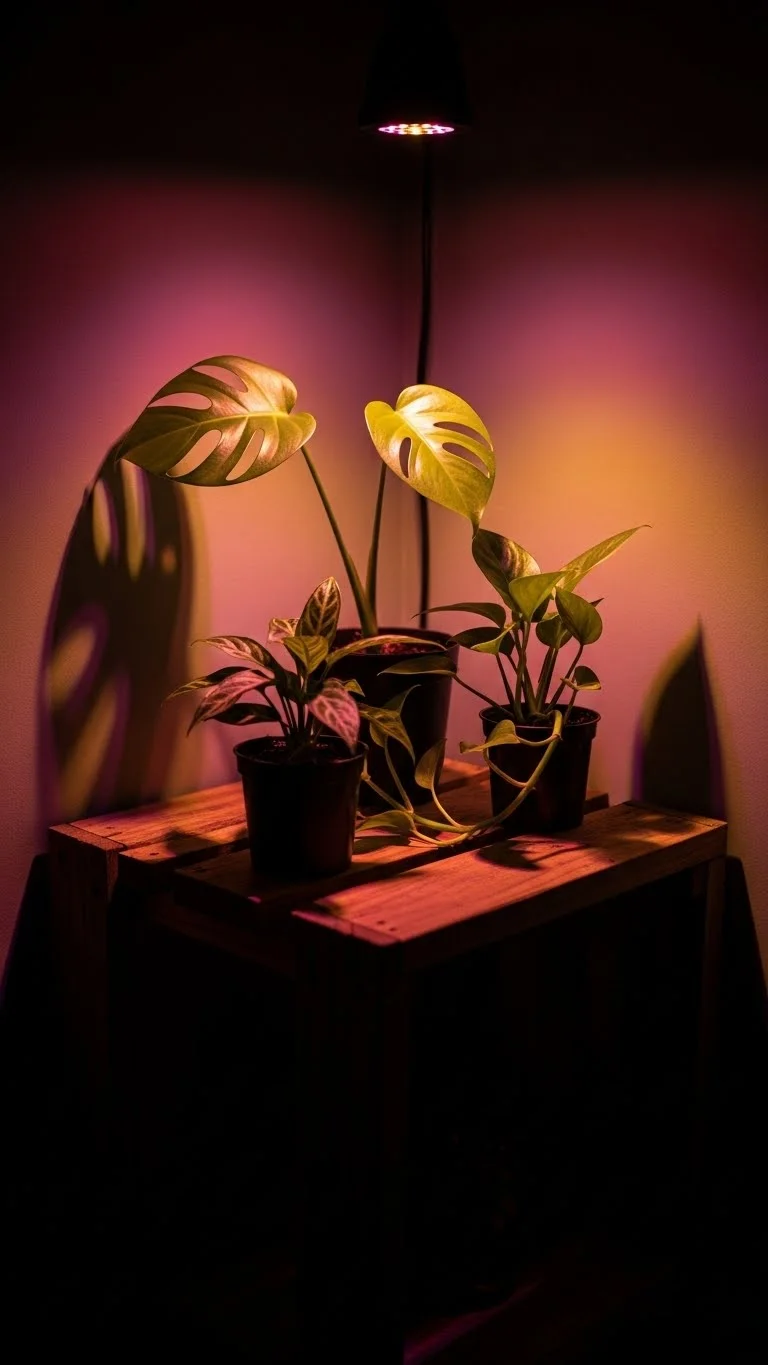
Grow lights help plants thrive even in rooms with low sunlight. Clip-on lights work well for shelves and desks. A simple bulb with a gooseneck arm costs little and can reach tight spots. Place the light a few inches above the plants and keep it on for several hours a day. Start with a shorter time and increase if the plants still look pale. Use a timer so you don’t forget. If your corner feels crowded, mount a light under a shelf. This setup gives plants a gentle push without expensive gear. It also lets you grow varieties that normally wouldn’t survive in darker rooms.
- Use Clear Glass Containers for Propagation
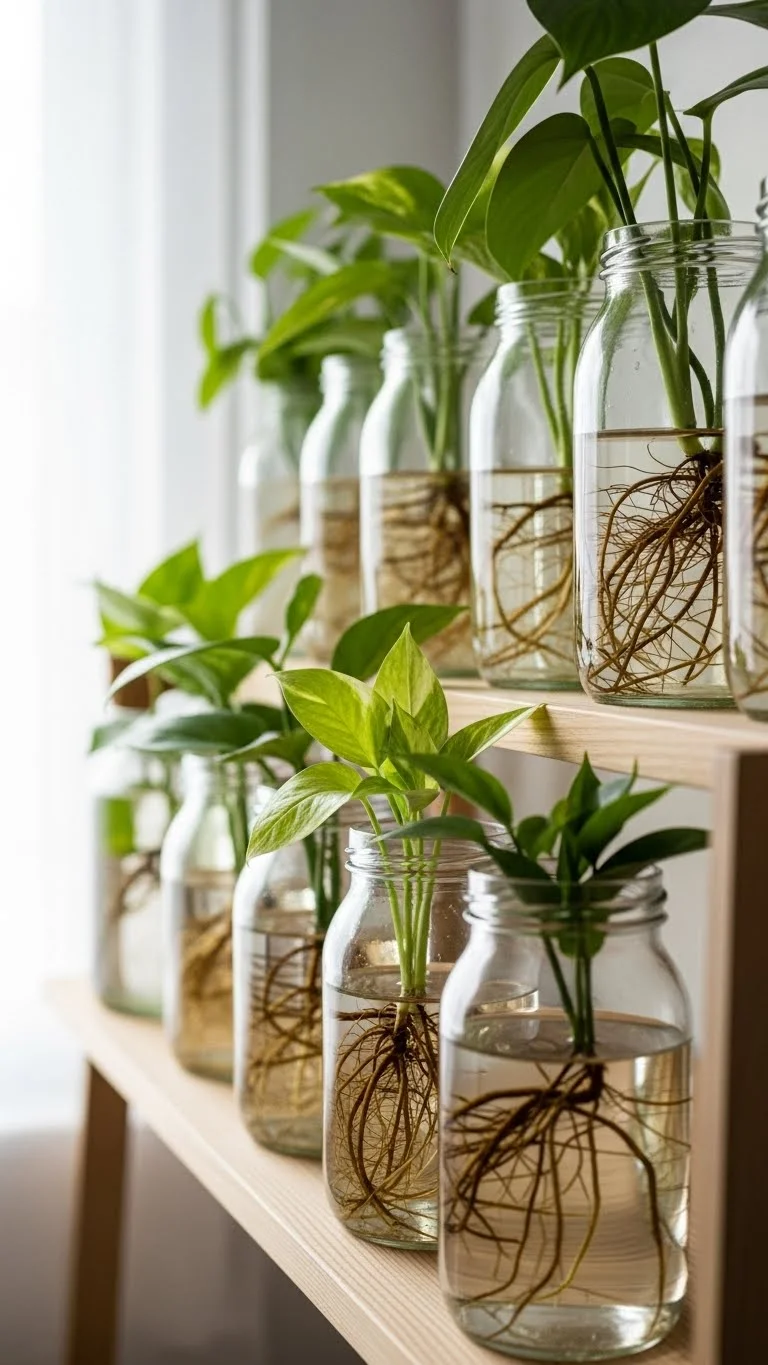
Propagation in glass jars is simple and satisfying. Snip a healthy stem from a plant, remove lower leaves, and place it in clean water. Choose jars with narrow necks so the stems stay upright. Clear glass lets you watch roots form, which adds interest to a shelf or counter. Change the water regularly to keep it clear. Use jars you already own to keep this project low-cost. Once roots grow long, move the cutting into soil. Propagation is a quick way to expand your plant collection without buying more.
- Place Plants on Rolling Carts
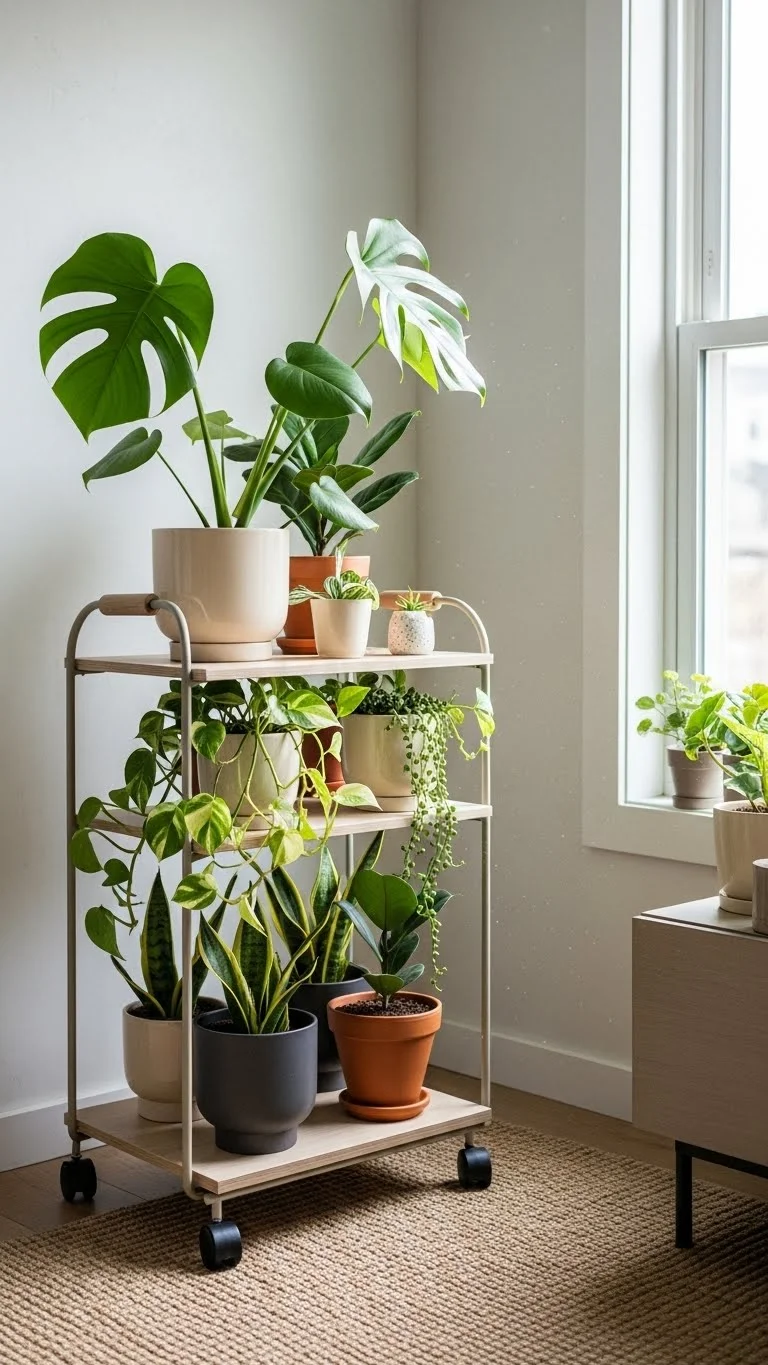
A rolling cart gives you a flexible mini plant station. You can move it around to follow sunlight during the day. Choose a cart with two or three tiers so you have room for small and medium plants. Plastic trays help with watering spills. If you want more height, add small risers under a few pots. This cart also makes plant care easier because you can roll the whole setup to the sink. Rearrange the plants whenever you want a new look. A mobile garden like this suits apartments and compact rooms well.
- Choose Plants That Handle Low Light
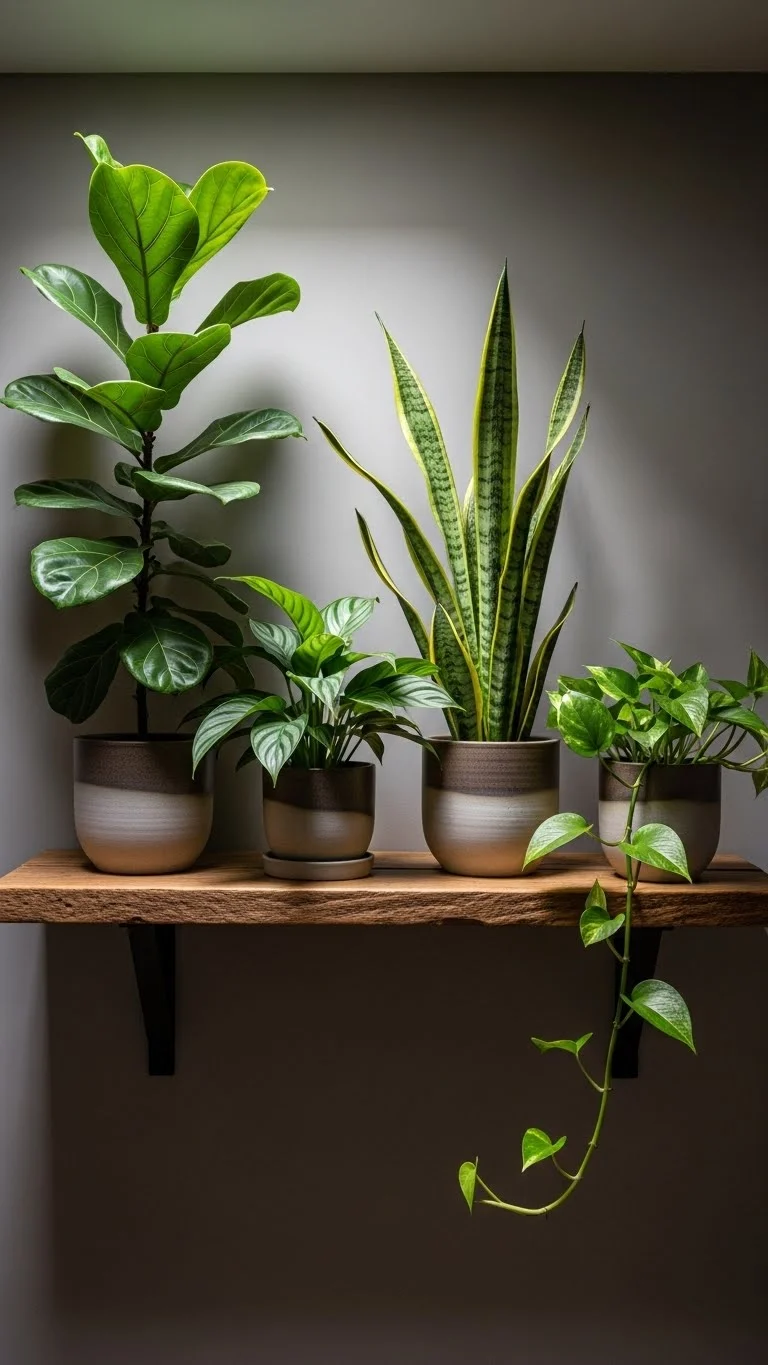
Low-light plants take stress out of indoor gardening. Snake plants, ZZ plants, and pothos adapt well to dim rooms. Place them in areas where sunlight barely reaches. They grow slowly but stay steady. Pick sturdy pots with drainage holes. Water sparingly so the soil doesn’t stay soggy. Wipe the leaves often to help them take in light more easily. Keep them away from cold drafts. These plants fill quiet corners without much care. They’re great for beginners or anyone with a busy schedule.
- Use Mirrors to Reflect Light
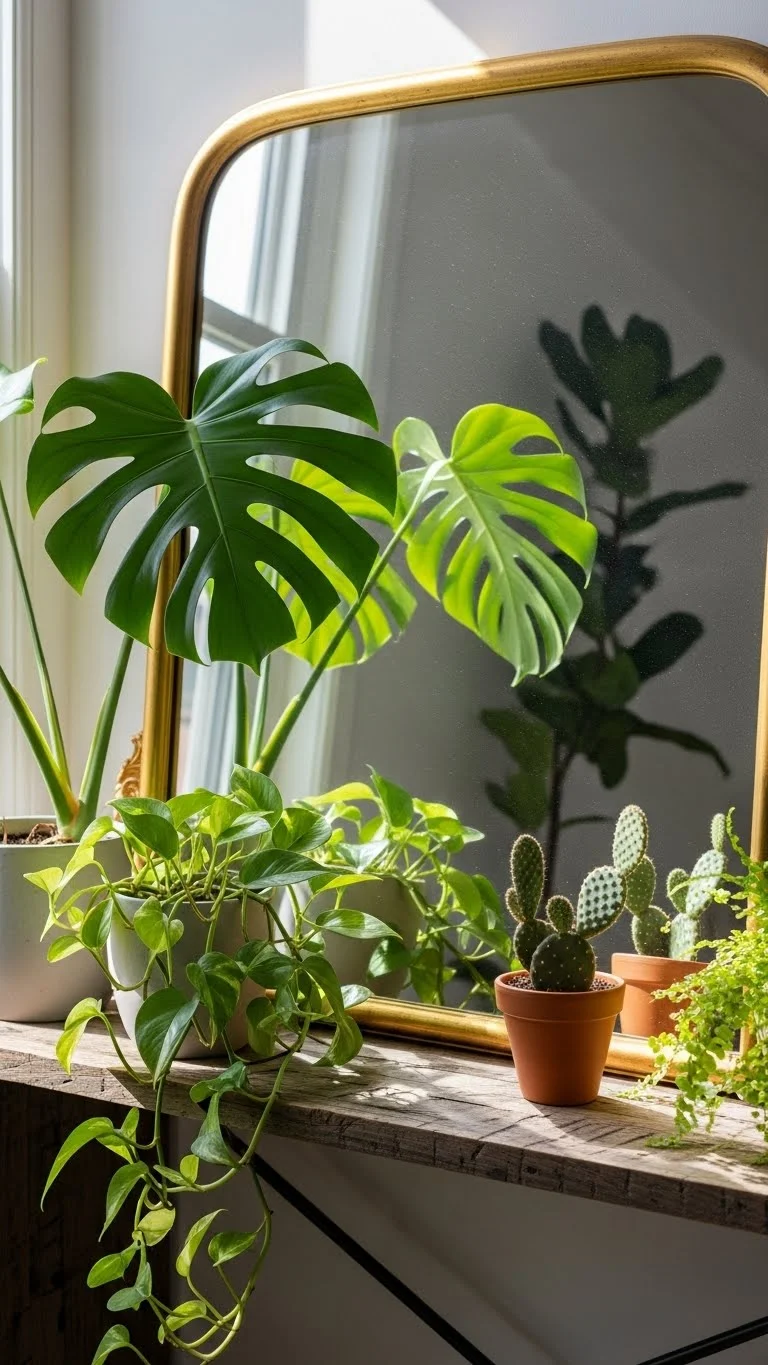
Mirrors help spread light across a room. Place one behind plants that sit near a window. The reflection brightens the entire area, giving plants more access to sunlight. You don’t need a large mirror; even a small one works. Thrift stores often have cheap options. Keep the mirror clean so the reflection stays clear. Try leaning it on a shelf instead of mounting it if you want flexibility. Move it around until you find the best angle. This simple trick helps plants in dimmer spots stay healthy.
- Add Small Pebble Trays for Humidity
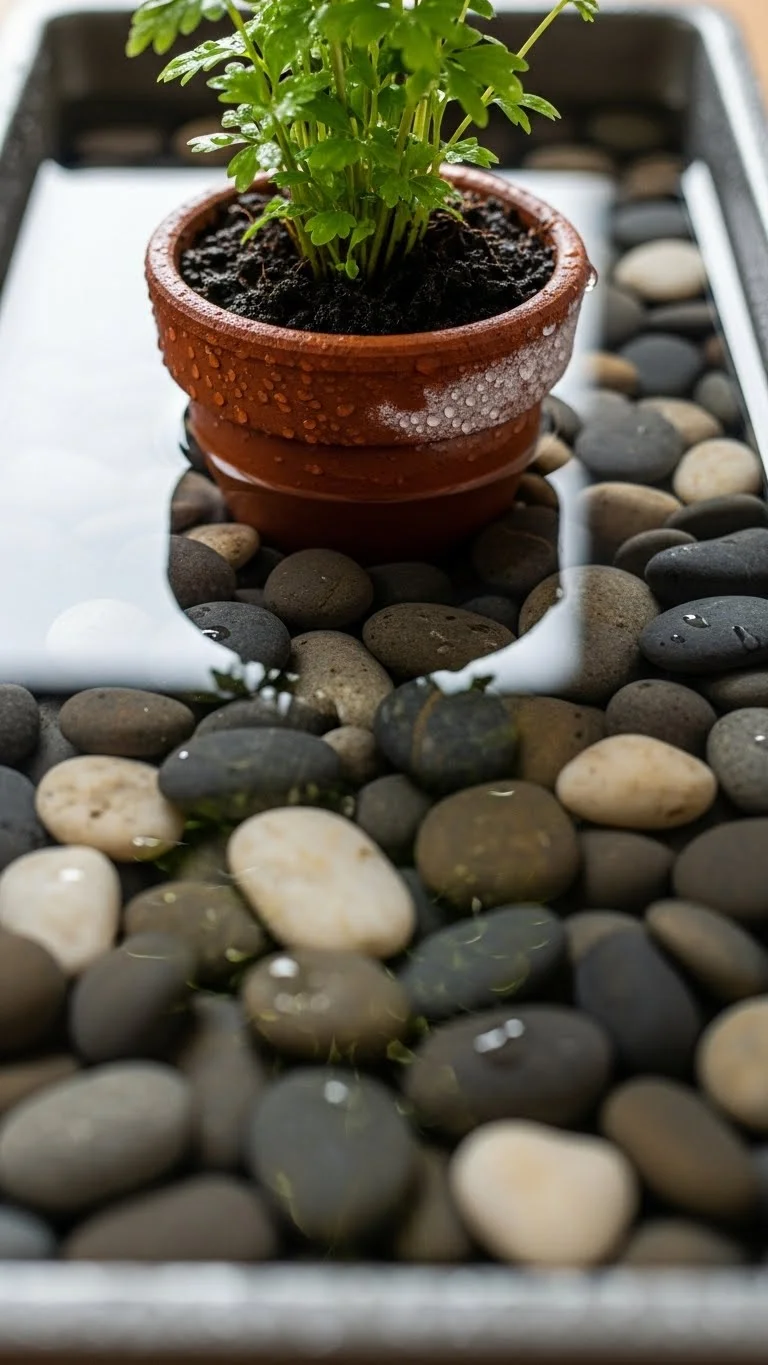
Pebble trays help create a gentle humid zone around your plants. Fill a shallow dish with pebbles and add water until it sits just below the surface. Place your pot on top so it stays dry while moisture evaporates around it. This works well for ferns, calatheas, and other moisture-loving plants. It’s an inexpensive fix because you only need a tray and stones. Clean the tray weekly to avoid buildup. Pebble trays keep your plants comfortable without using a humidifier.
- Try Shelf Risers for Extra Space
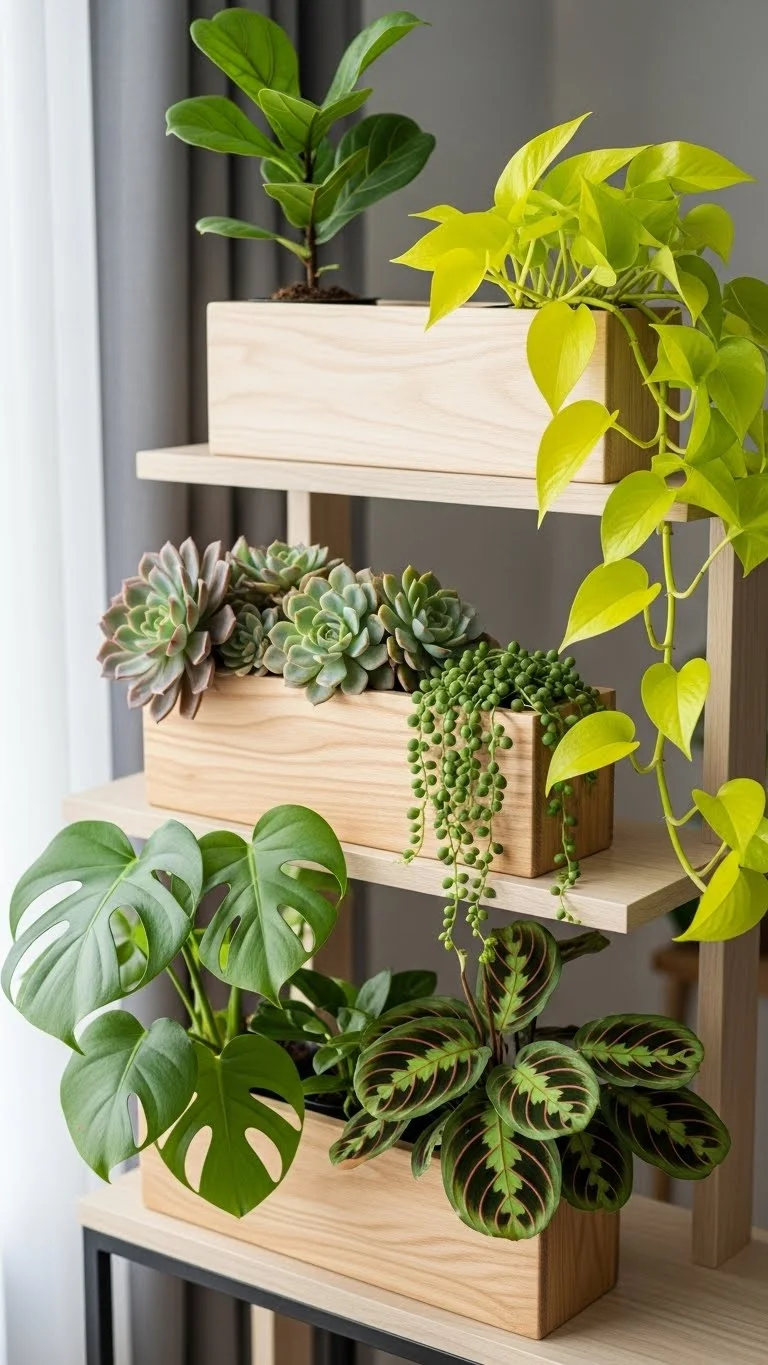
Shelf risers let you fit more plants without overcrowding. They lift smaller pots higher so everything gets light. You can use wooden blocks, metal risers, or even sturdy food containers. Place taller plants in the back and shorter ones upfront. Keep the layout loose so air can flow. Risers also make it easier to water without bumping into other plants. This trick works well on bookshelves, counters, and window areas. It’s a quick way to create more room for new plants.
- Rotate Plants Regularly
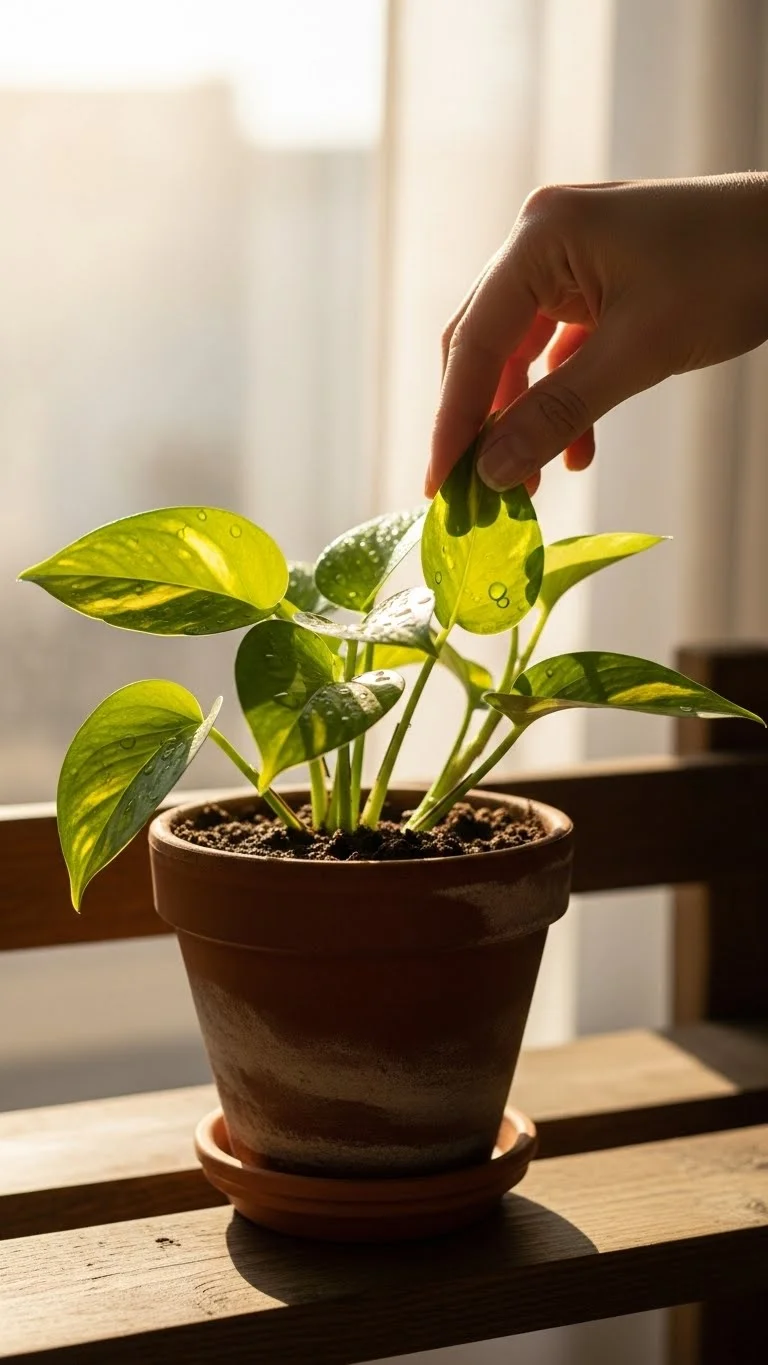
Rotation keeps plants growing evenly. Over time, plants reach toward the light. Turn them a little each week so all sides get attention. This prevents leaning and keeps leaves balanced. Mark the pot with a small dot so you remember which way it faced last time. Rotation also helps you inspect the plant closely for dry soil or damaged leaves. It takes only a few seconds but makes a big difference in how your plants look.
- Build a Simple Plant Stand
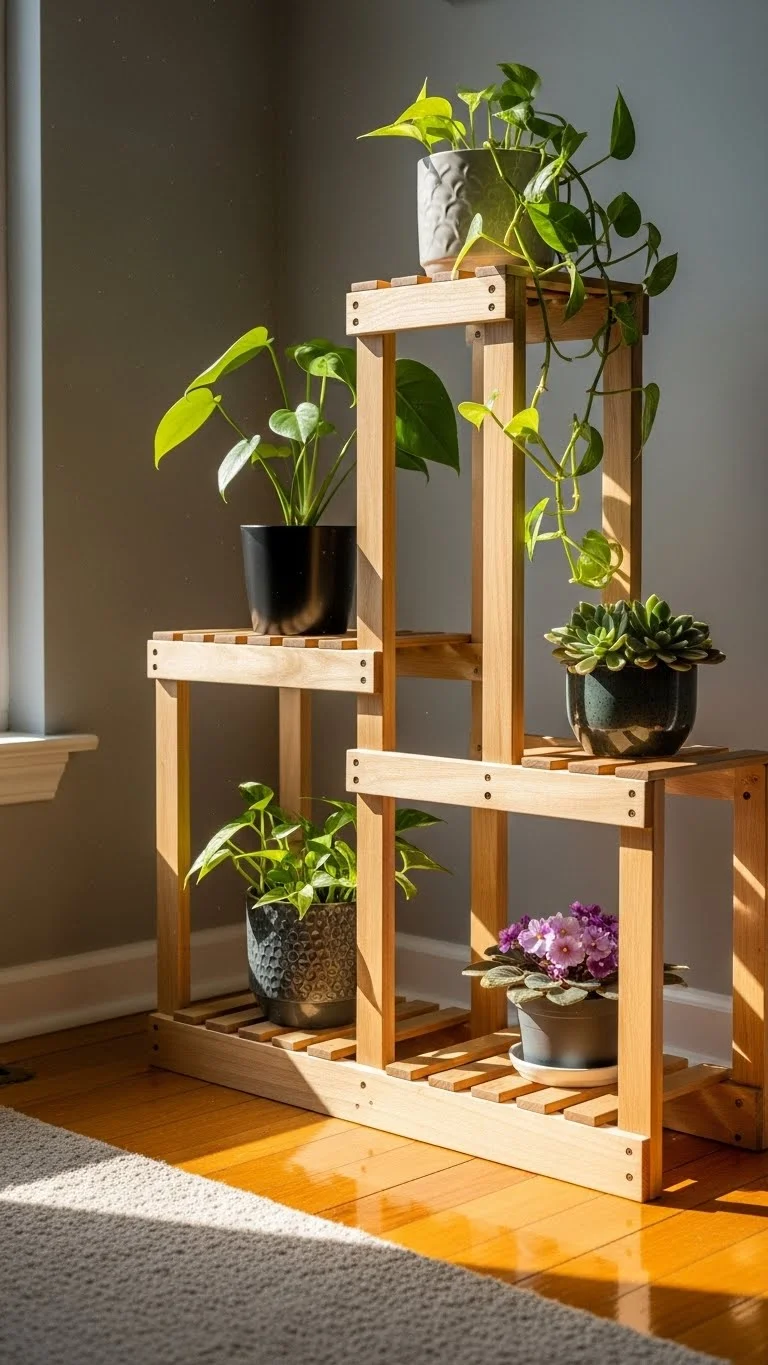
A DIY plant stand gives your space height and character. Use leftover wood or an old stool. Sand it lightly and add paint if you want color. This project doesn’t require advanced tools. Just make sure the stand stays level and stable. Place it near a bright spot and stack plants by height. Add felt pads underneath so it slides easily. A handmade stand keeps your plants visible and frees up floor space.
- Keep Plants Away From Drafts
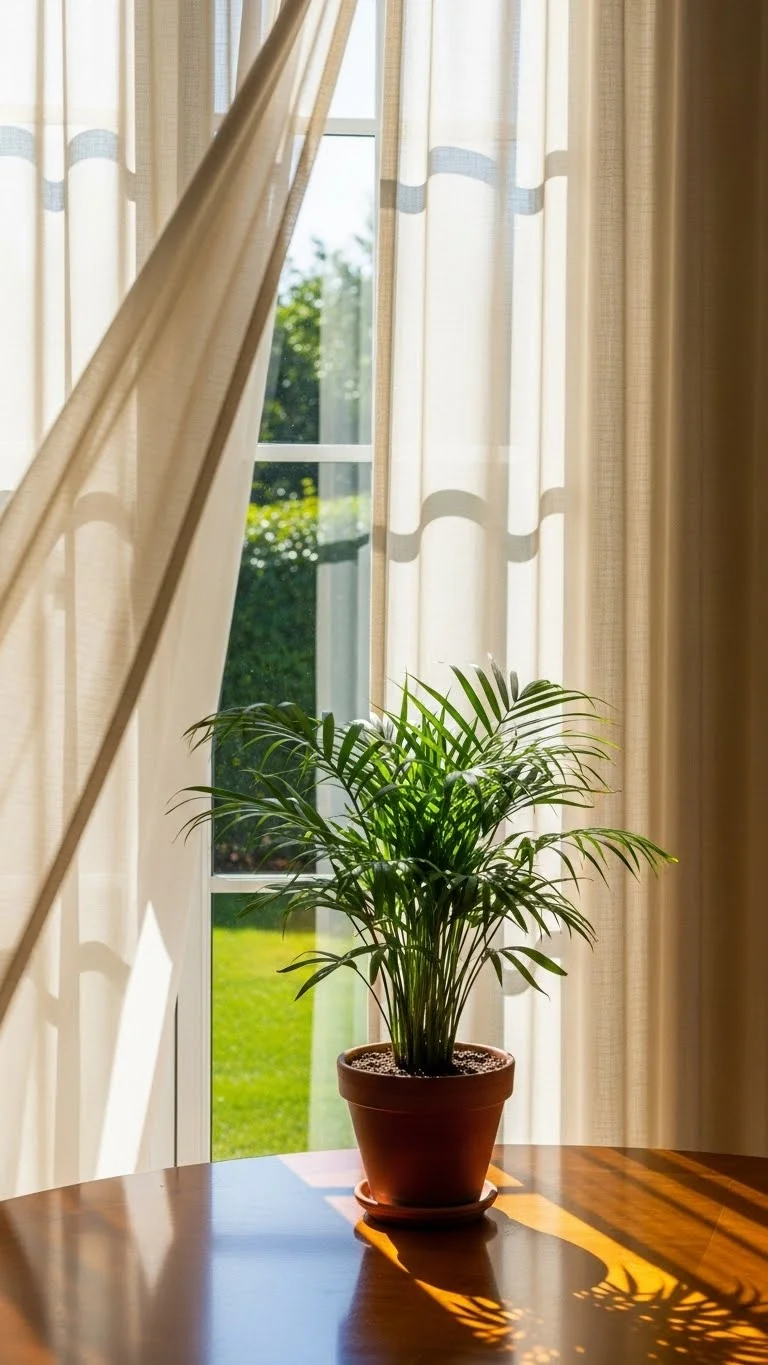
Drafts can bother indoor plants. Cold air from windows or air conditioners can cause leaf drop. Move your pots a bit farther from these spots. Thick curtains help soften airflow. You can also place plants on stands so they don’t sit directly in the draft. Check the area during colder months to make sure the temperature stays steady. A simple shift in placement keeps your plants comfortable.
- Clean Leaves for Better Growth
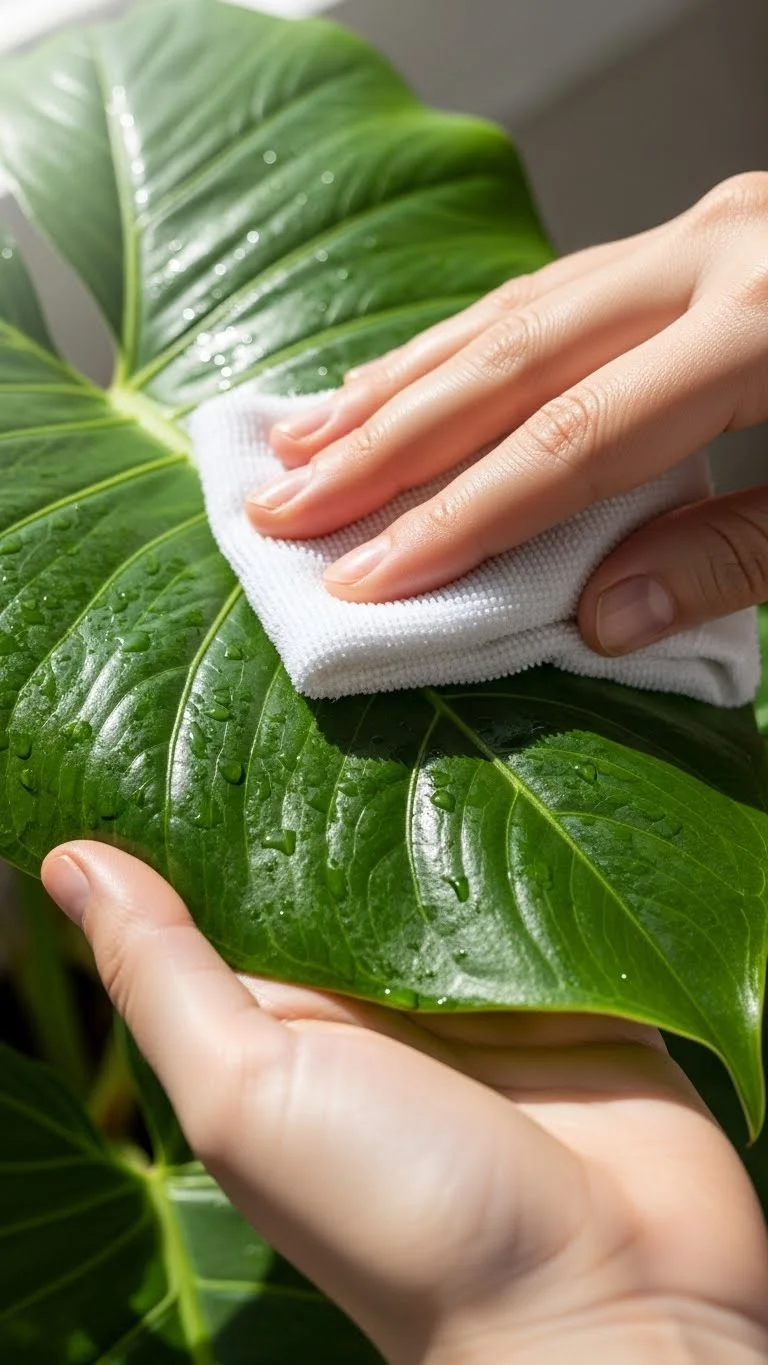
Dust builds up on leaves and blocks light. Use a soft cloth to wipe each leaf gently. For thicker leaves, a small damp cloth works better. Avoid harsh chemicals. Clean leaves every few weeks. While wiping, check for tiny pests hiding on the undersides. Cleaning also gives your plants a nice shine. This small habit keeps foliage healthy and bright.
- Use Decorative Baskets as Outer Covers
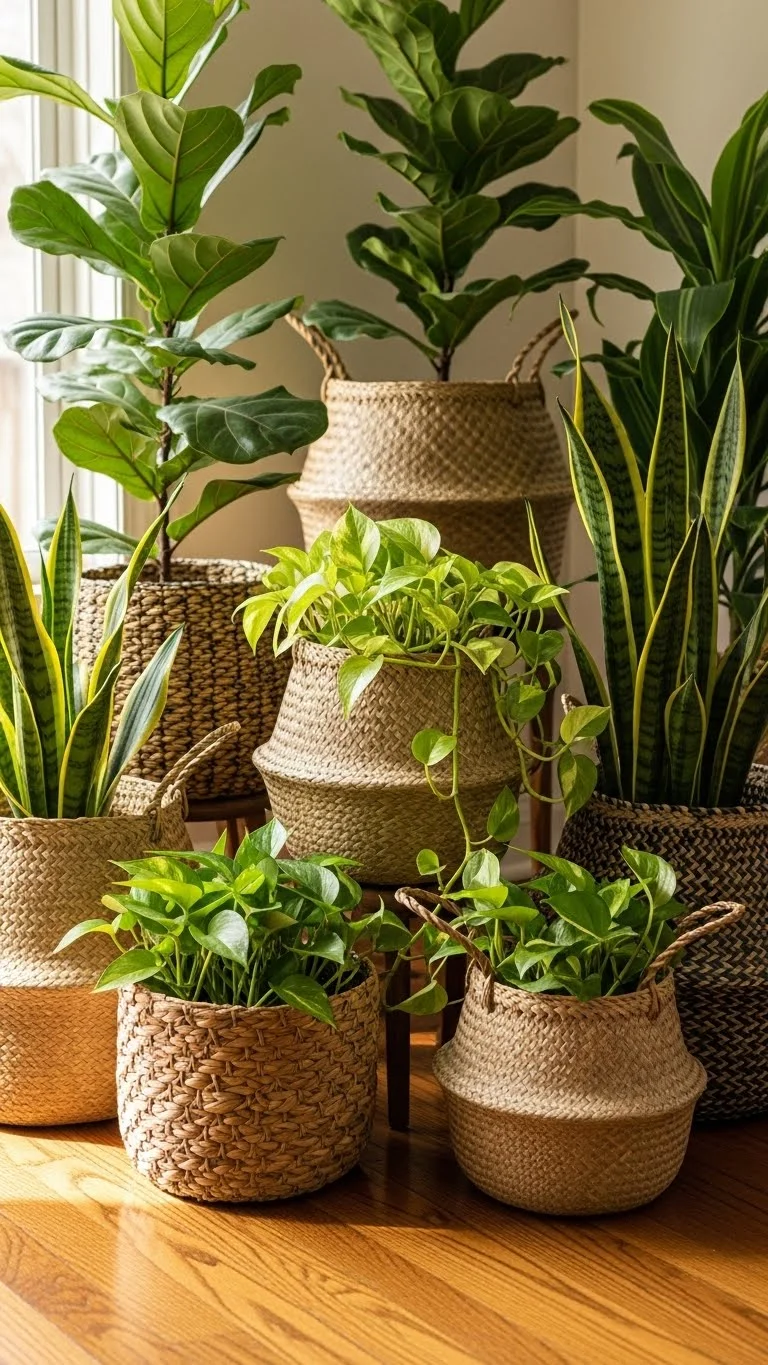
Baskets make plant corners feel warm and stylish. Use them as covers for plastic nursery pots. This way, watering stays simple because the inner pot drains while the basket stays dry. Choose baskets from discount stores or thrift shops. They hide mismatched pots and help keep your space tidy. If your pot feels loose inside, add a few towels at the bottom for support. Baskets work well for larger plants that take up floor space.
- Keep a Simple Watering Schedule
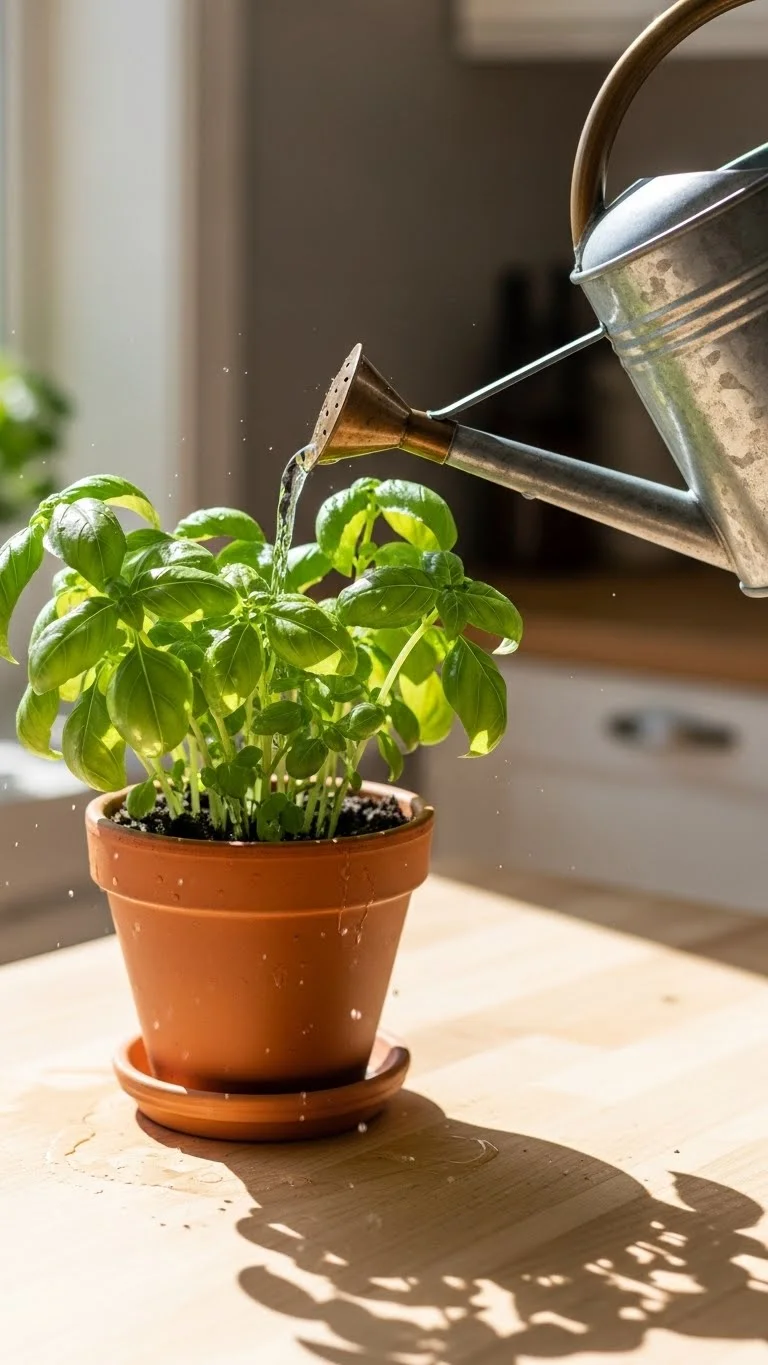
A simple watering routine helps prevent overwatering. Check soil with your finger before adding water. If it feels dry, water slowly until it drains. Empty saucers so roots don’t sit in water. Use a small can for better control. Try watering on the same day each week. Adjust based on the season because plants often drink less in cooler months. A steady routine helps your plants stay balanced.
- Repurpose Jars and Containers
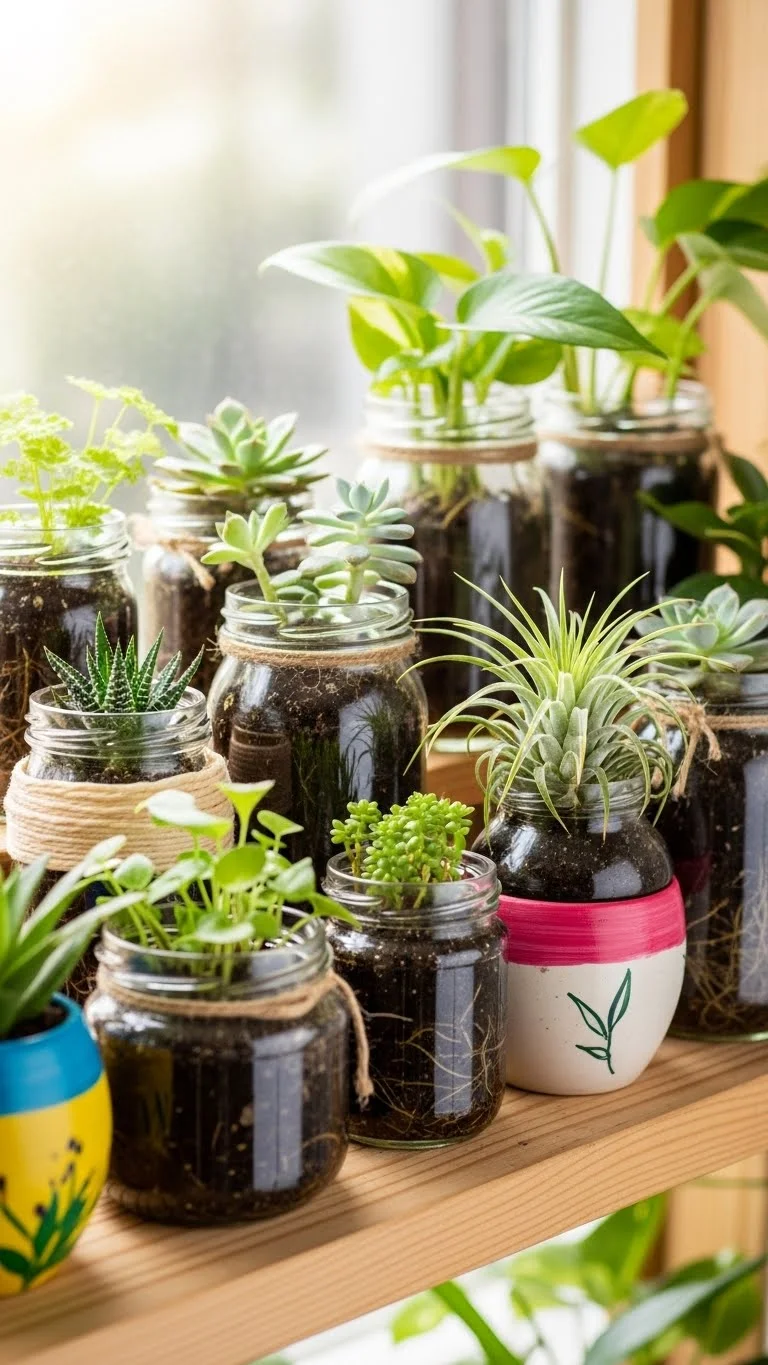
Old jars, yogurt cups, and tins make charming plant containers. Drill or poke holes at the bottom for drainage. Add small stones if you can’t make holes. Paint or wrap jars with rope for decoration. Repurposed containers keep costs low. They also let you try new plants without buying new pots. Keep an eye on moisture since smaller containers dry faster. This simple idea adds character to your indoor garden.
- Train Trailing Plants Along Walls
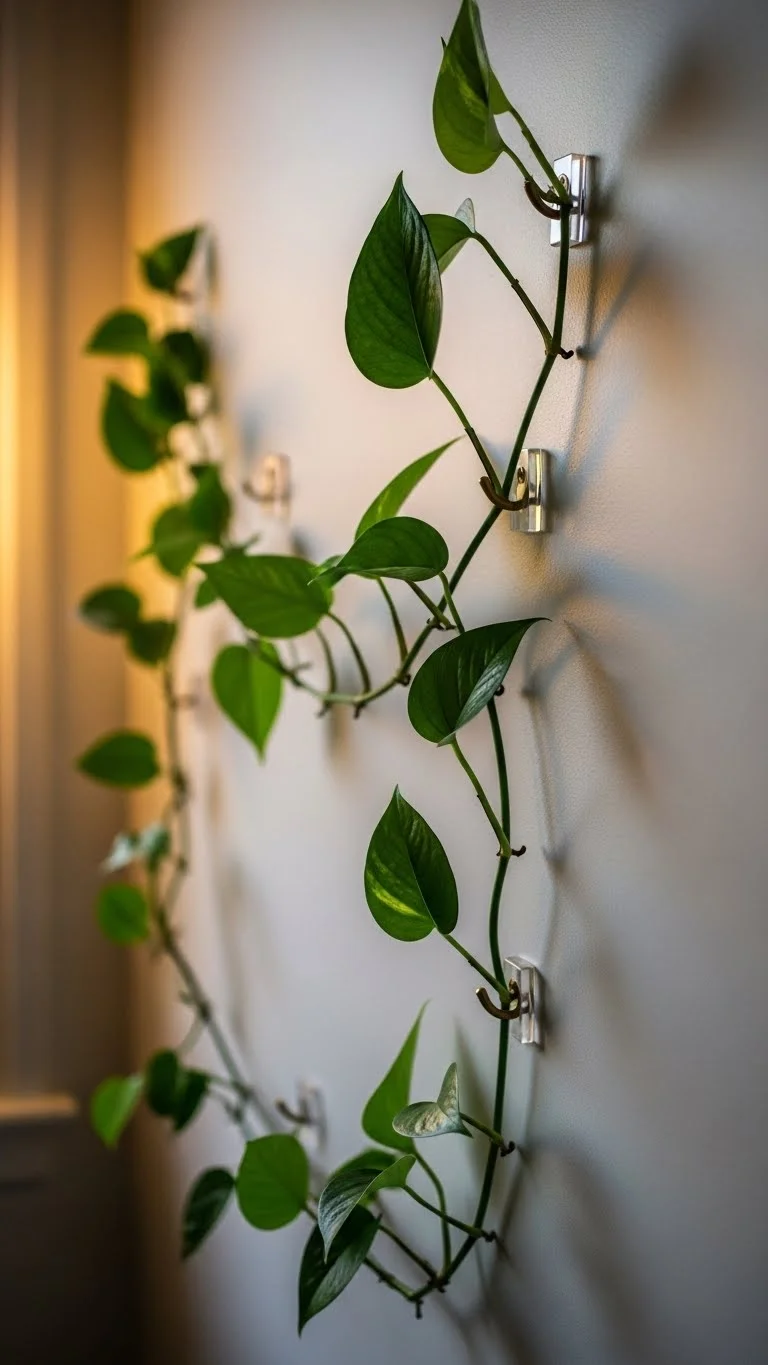
Trailing plants look beautiful when guided across walls. Use small adhesive hooks to lead the vines. Start slow and add more hooks as the plant grows. Pothos and philodendron work well for this. Keep the vines loose so they don’t bend sharply. This creates living wall art without major effort. It’s an affordable way to fill empty wall space and add greenery at eye level.
- Add Small Stools to Lift Floor Plants
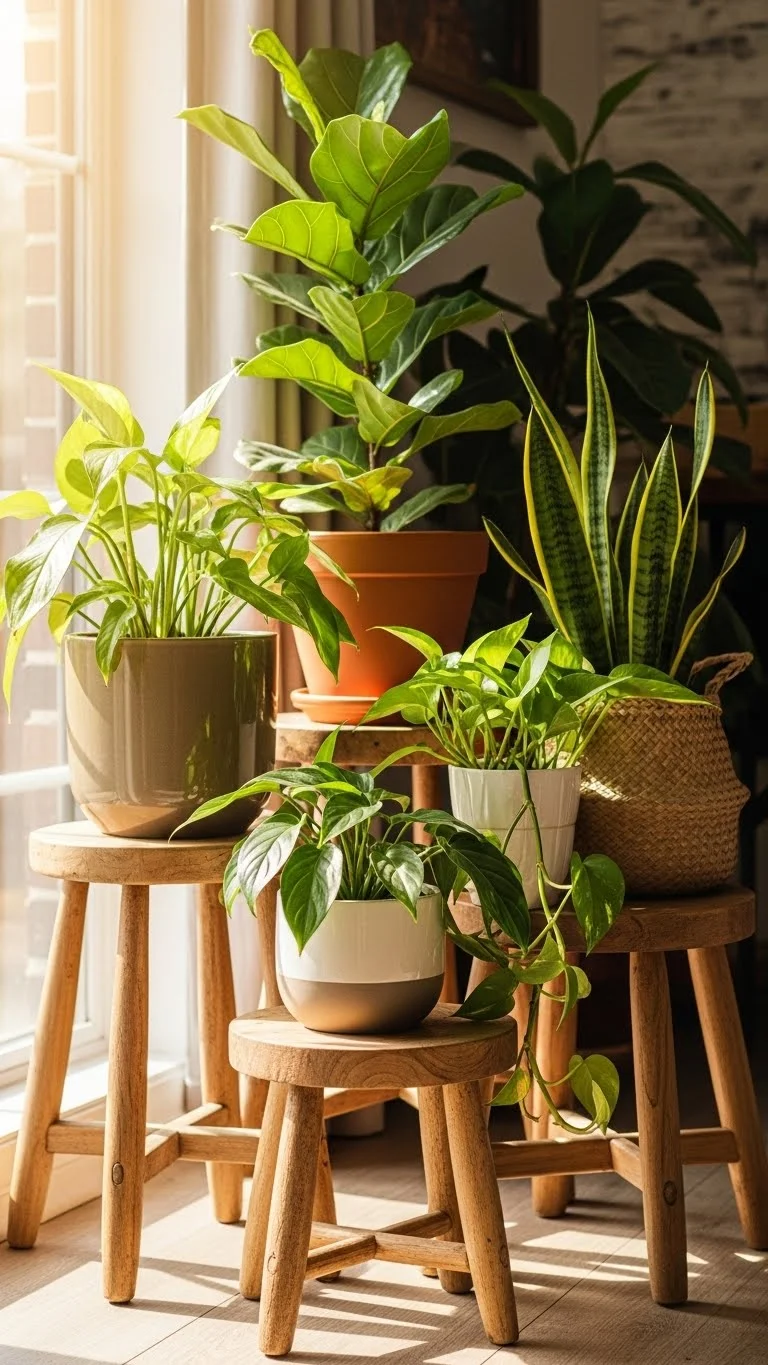
Small stools help lift plants closer to light. They also break up floor space and add height variety. Use stools you already have or buy inexpensive ones from local markets. Choose sturdy options that won’t wobble. Place heavier pots on lower stools. This setup helps plants near darker floors get more light. It also makes your room feel more layered and inviting.
- Create a Calm Corner With One Large Plant
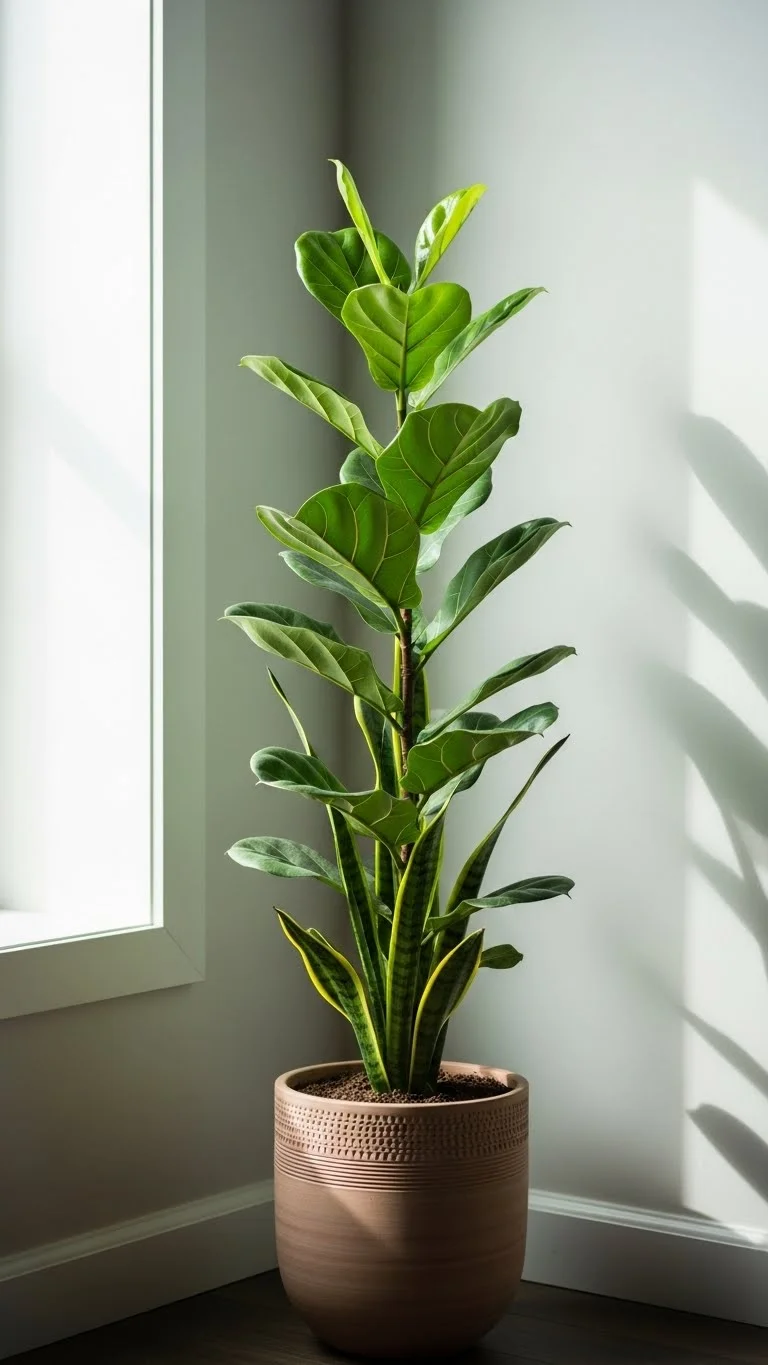
One large plant can anchor an entire room. Place it in a corner that needs life. Choose a tall variety like a fiddle leaf fig or a rubber plant. Use a solid pot with good drainage. Add wheels underneath if you want easy movement. Keep the soil slightly moist but not soaked. Wipe the leaves occasionally so they stay bright. A single statement plant gives your home a natural focal point without much work.
- Make a Low-Maintenance Succulent Table
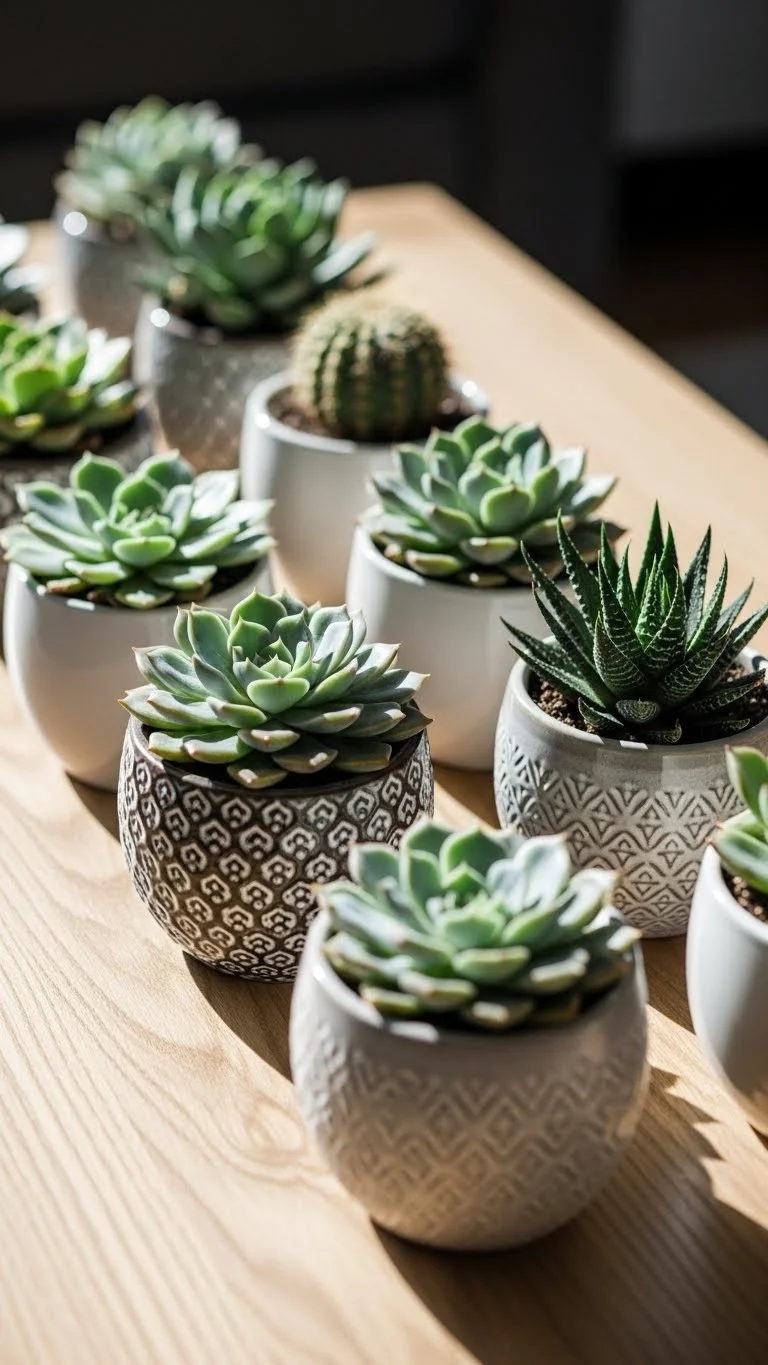
Succulents bring calm, simple beauty to a living room. Place several small ones on a tray or shallow dish. Mix shapes and colors for variety. Succulents prefer dry soil, so water lightly. Use sandy potting mix if possible. Because they grow slowly, they stay neat on tables and desks. Choose sturdy pots so they don’t tip easily. This setup feels tidy and requires little care. It also adds texture without overwhelming your space.
Conclusion
Indoor gardening doesn’t have to be complicated or expensive. Simple choices like better placement, lighter pots, small tools, and easy routines keep plants thriving. Whether you want a few herbs or a full plant corner, these tips help you shape a greener, calmer home. Enjoy the process and make your space feel alive every day.
