


24 Smart Raised Bed Gardening Tricks for Bigger Yields
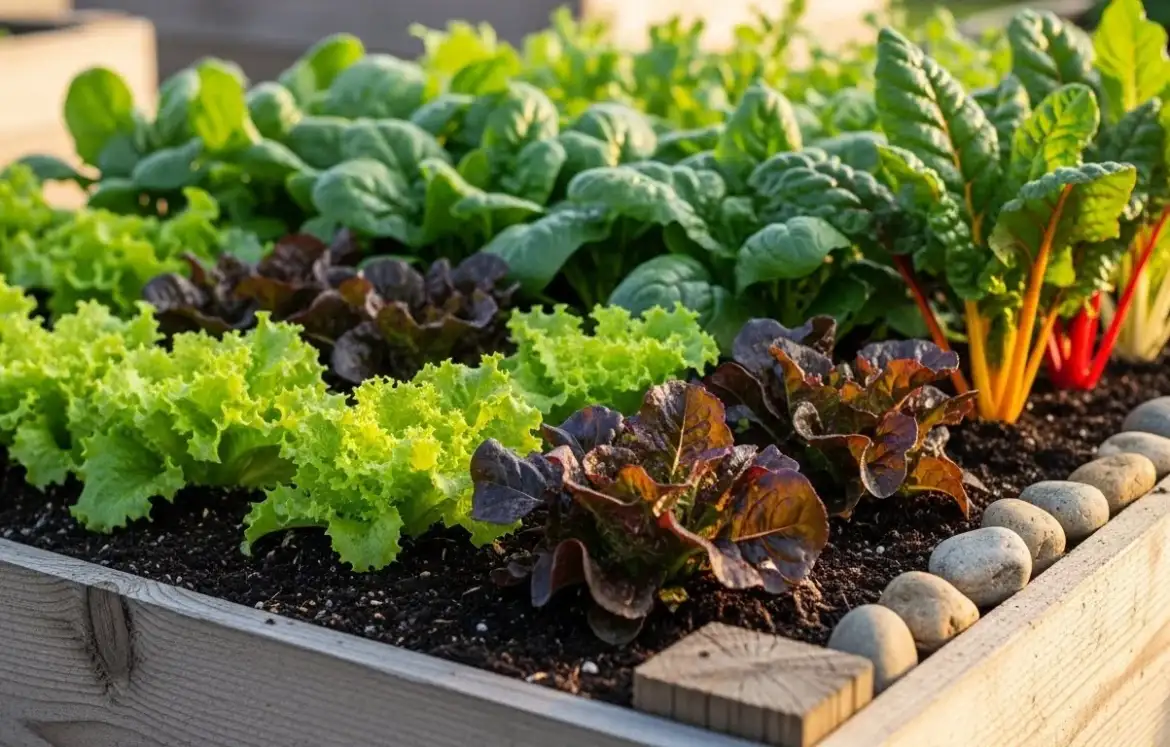
Raised bed gardening makes growing food easier, cleaner, and more consistent. With a few simple adjustments, you can get more produce out of the same space without spending much. The tricks below focus on practical setups, low-cost tweaks, and smart planting habits that everyday gardeners use to grow fuller harvests. Each idea helps you work with the space you already have so you can enjoy fuller beds without extra stress.
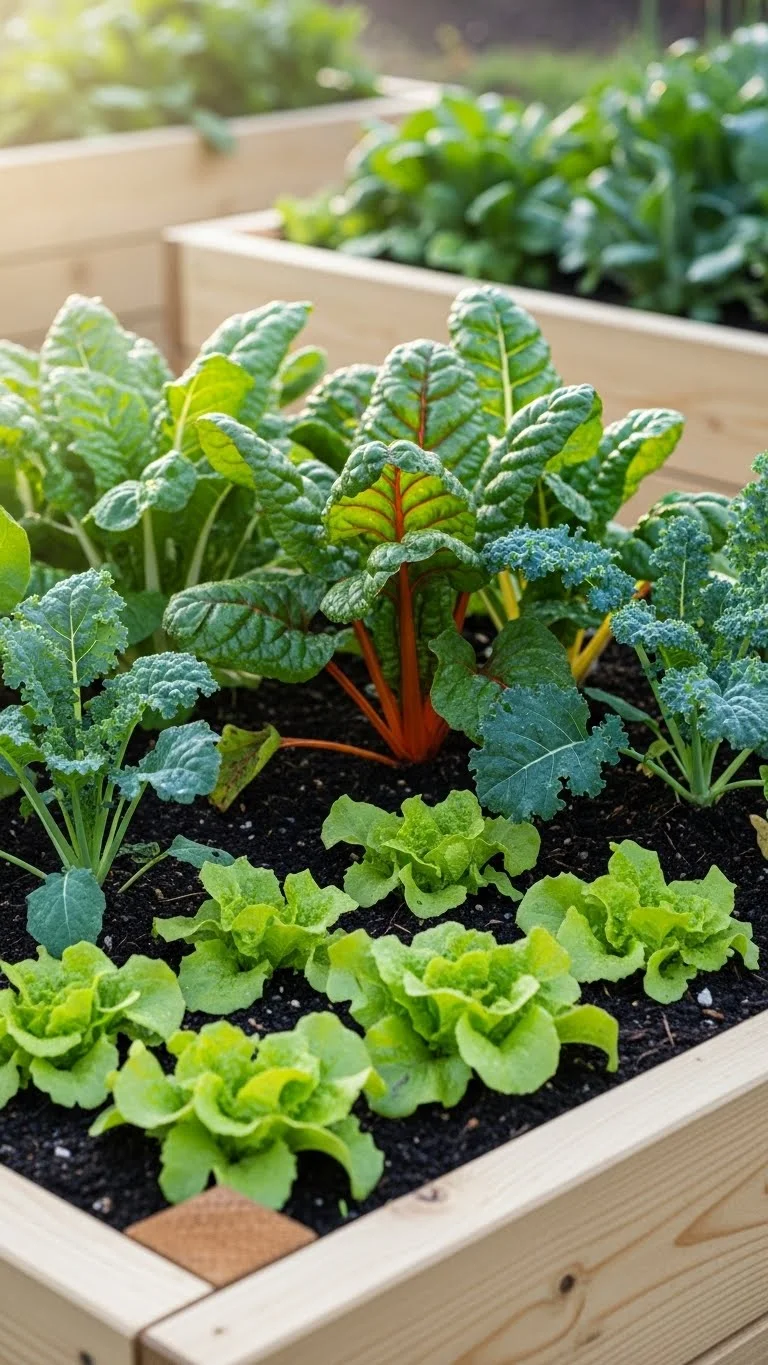
- Build Taller Beds for Stronger Roots
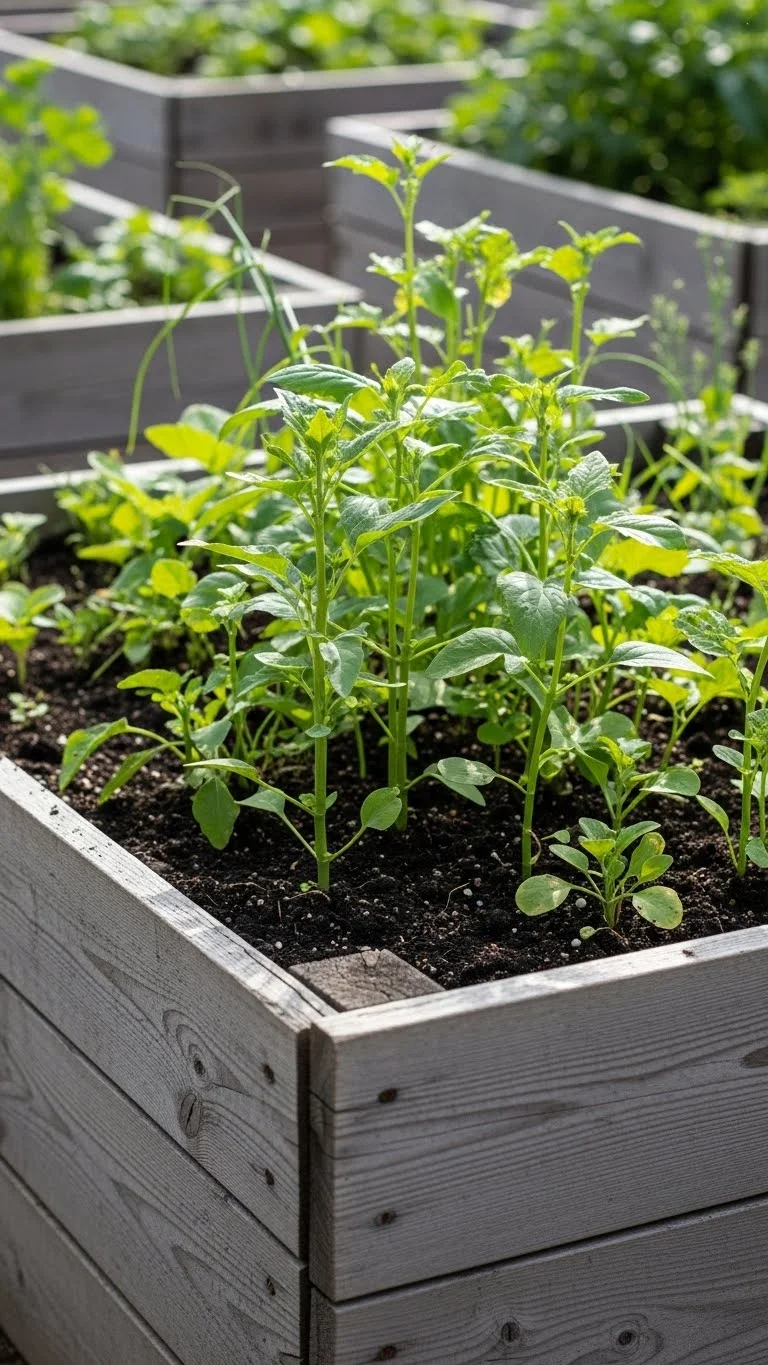
Taller beds give roots room to move freely. More space means stronger growth and better water flow. If your beds are under eight inches, think about adding extra boards to raise them. You can stack reclaimed wood or leftover planks to save money. Taller sides also make the garden easier on your back. You bend less and reach more. Many gardeners also notice fewer weeds because taller frames block runaway roots from creeping in. If you can’t go very tall, even a few extra inches makes a difference. Add more compost as you build to help the soil stay loose. Keep the top layer crumbly so seedlings settle easily. Taller beds work well where soil quality is poor or rocky. Just fill them with your own mix and plant right away.
- Use Vertical Add-Ons to Save Ground Space
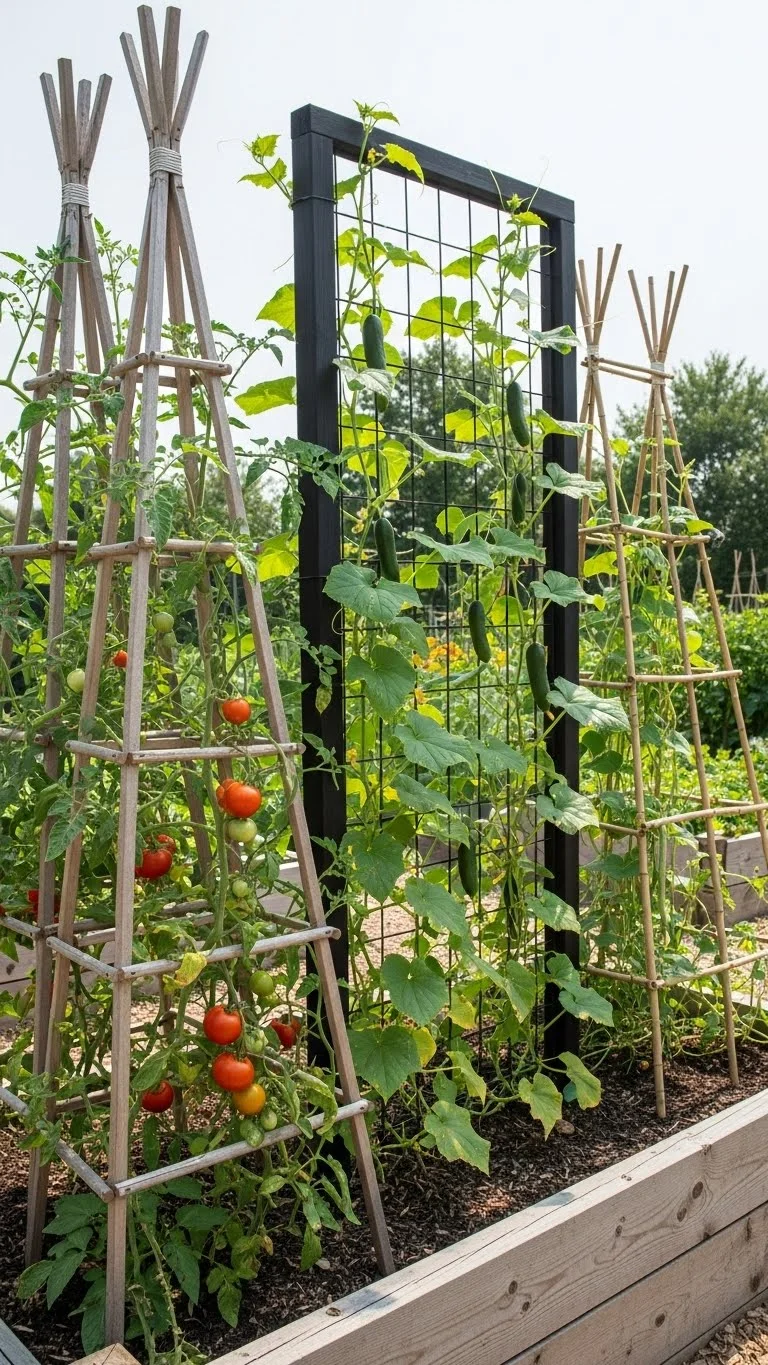
Vertical add-ons help you fit more plants without widening your beds. Simple trellises, mesh grids, and arch panels give vines a place to climb. You can build them from leftover wire fencing or a few wooden stakes. Taller items like cucumbers or pole beans grow clean and straight on supports. This frees the bed surface for herbs and leafy crops. The airflow also keeps leaves dry. That reduces fungal trouble and helps everything stay healthy. Try placing the vertical frame on the north side so it doesn’t cast heavy shade over smaller plants. Make sure the stakes sit deep in the soil or screw them to the bed frame for stability. Vertical add-ons also make harvesting easier because fruit hangs at eye level. A small investment in supports can reshape your entire layout and help every square inch work harder.
- Mix Compost Into the Top Few Inches Often
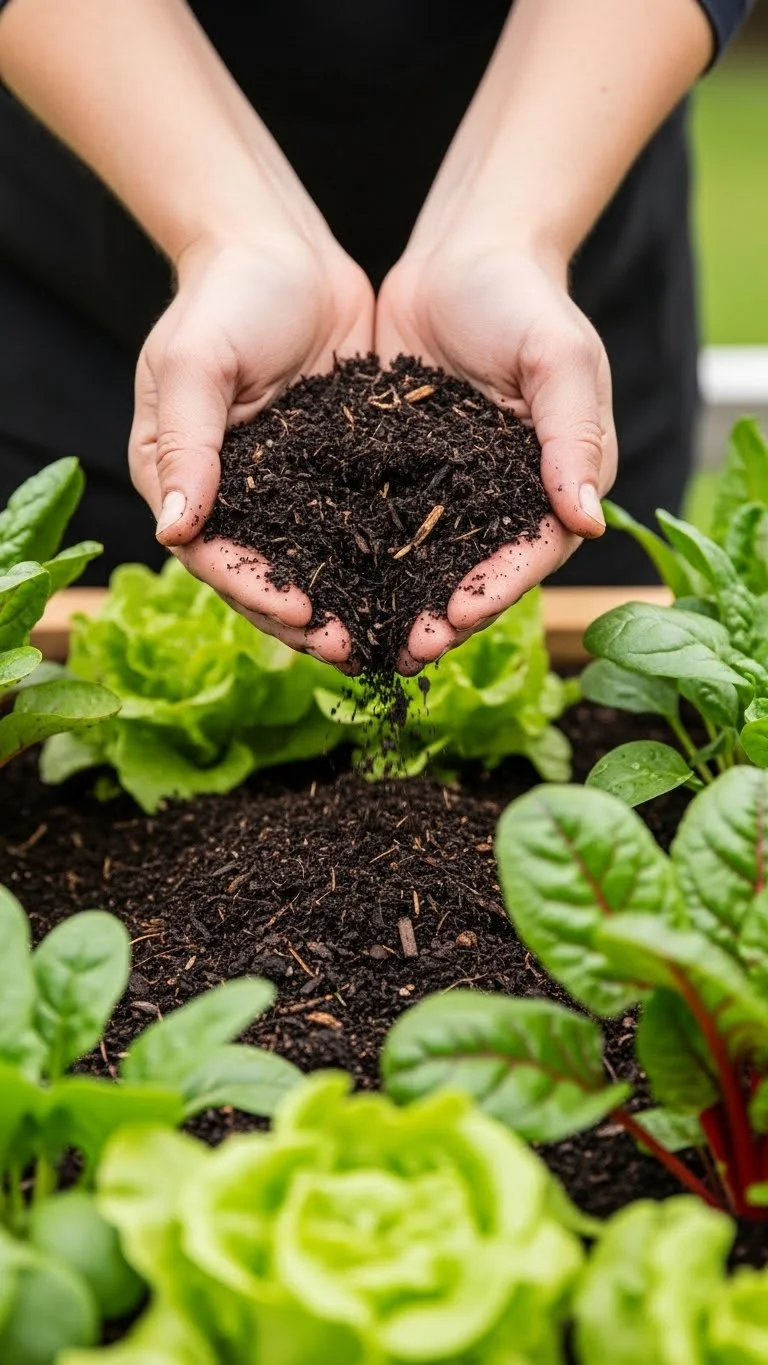
Refreshing the top layer with compost keeps beds active. Plants respond quickly when the surface stays rich and loose. You don’t need to dig deep. Just spread a thin layer and scratch it in with a small hand rake. This avoids disturbing roots. Use homemade compost to cut costs. Even kitchen scraps, dried leaves, and grass clippings break down into something helpful. Adding compost every few weeks keeps soil alive. It also helps water soak in rather than run off. Beds that stay crumbly produce stronger plants because roots access nutrients without effort. Try storing a small bucket near your garden so you can top up whenever the soil looks flat or pale. The results show up fast in greener leaves and steady growth.
- Add Mulch to Hold Moisture Longer
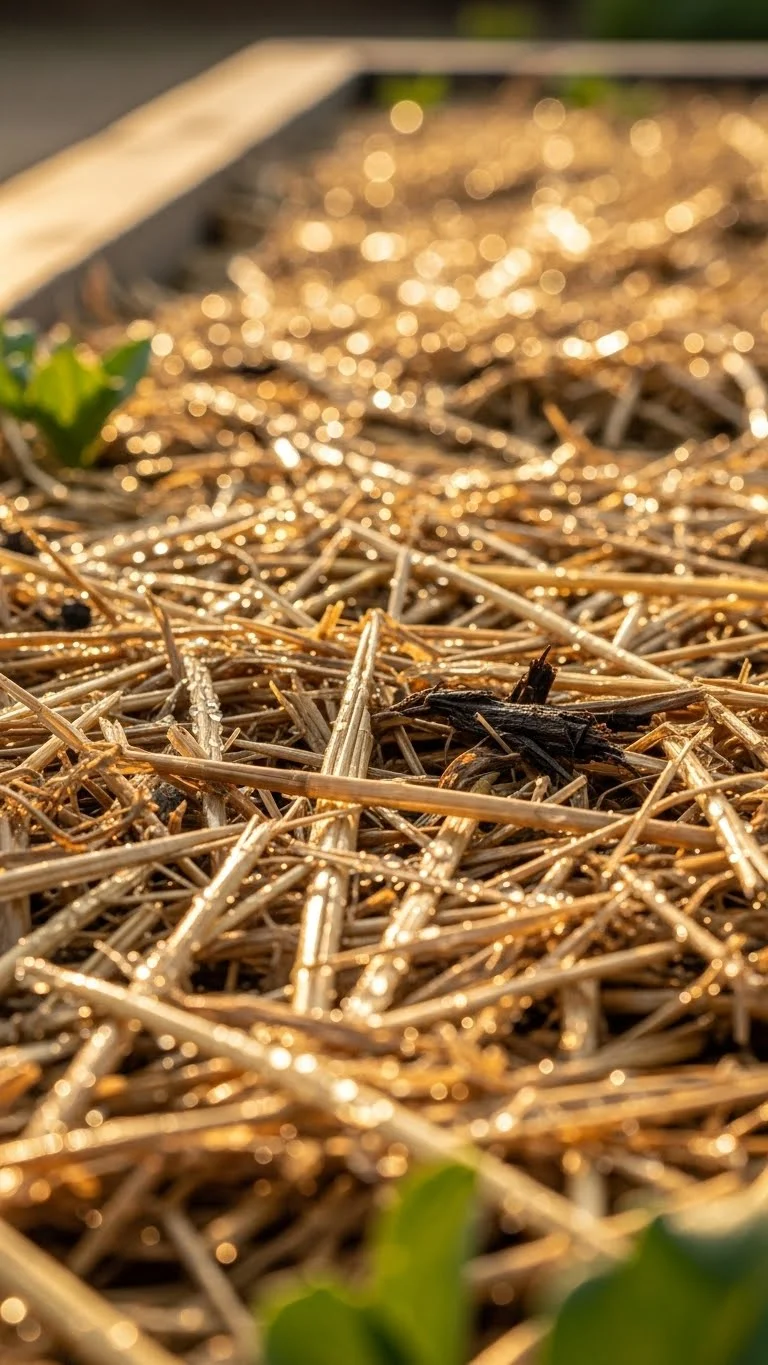
Mulch keeps soil cool and slows evaporation. This is helpful during warm seasons when beds dry out faster. Straw, shredded leaves, or untreated wood chips all work well. Spread a layer thick enough to cover bare soil but thin enough so stems aren’t buried. Mulch also blocks weeds before they sprout. You save time pulling them later. If you garden on a budget, use dry leaves collected in fall. They break down slowly and enrich the soil at the same time. Keep mulch a small distance away from plant bases to reduce rot. If the surface looks matted after rain, fluff it lightly with your fingers so it dries evenly. Mulch keeps the bed stable and protects delicate roots from temperature swings.
- Install Simple Drip Lines for Smooth Watering
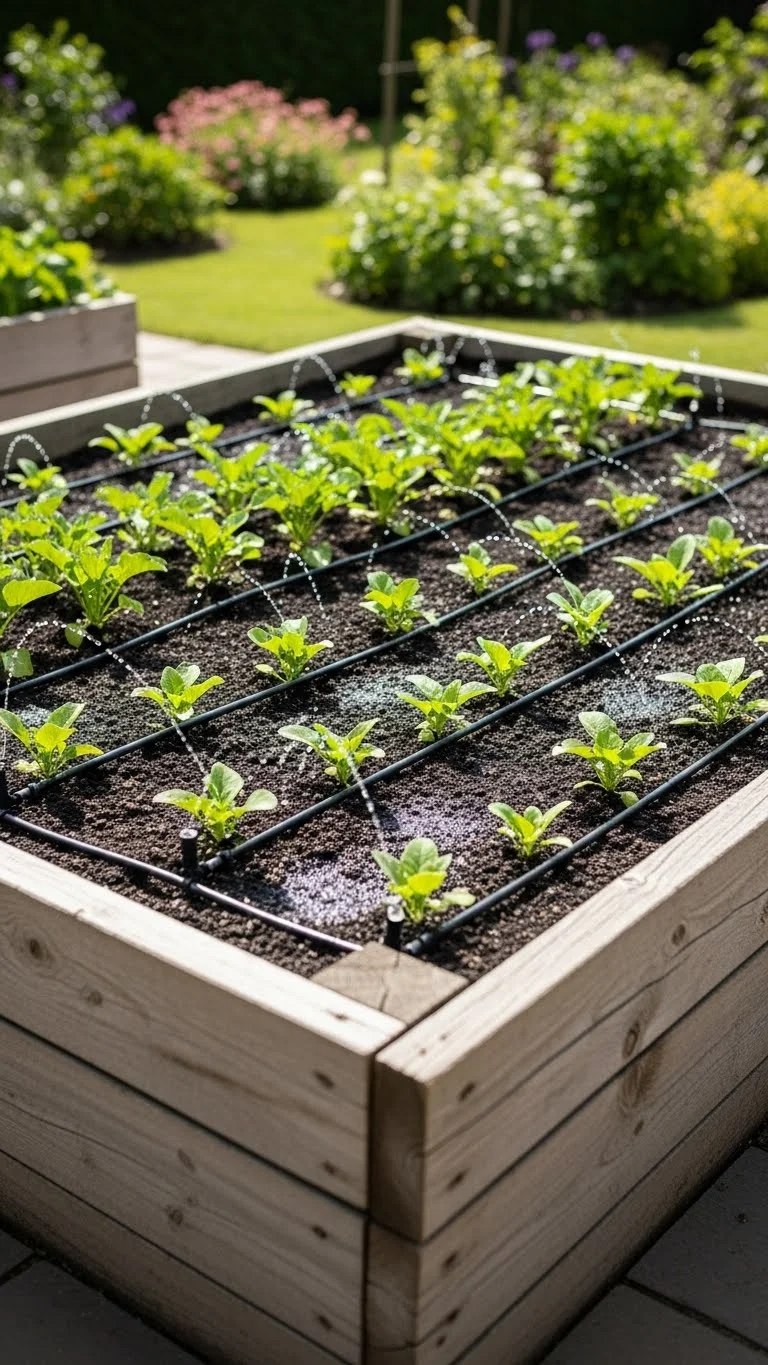
Drip lines control water better than dumping from above. They release small amounts right where the roots sit. You waste less and water reaches the soil instead of splashing leaves. Affordable kits are available, or you can make a simple version with pierced tubing. Lay the lines evenly across the bed so each row gets attention. Connect the system to a basic timer if you want steady watering without extra work. This approach stops soggy soil and reduces dry patches. It also helps keep the surface smooth, which makes planting easier. In hotter months, drip lines are a lifesaver because soil stays hydrated longer. You can adjust the flow depending on the plants. Drip watering pairs perfectly with mulch, helping the bed hold moisture without turning muddy.
- Combine Fast and Slow Growers in One Bed
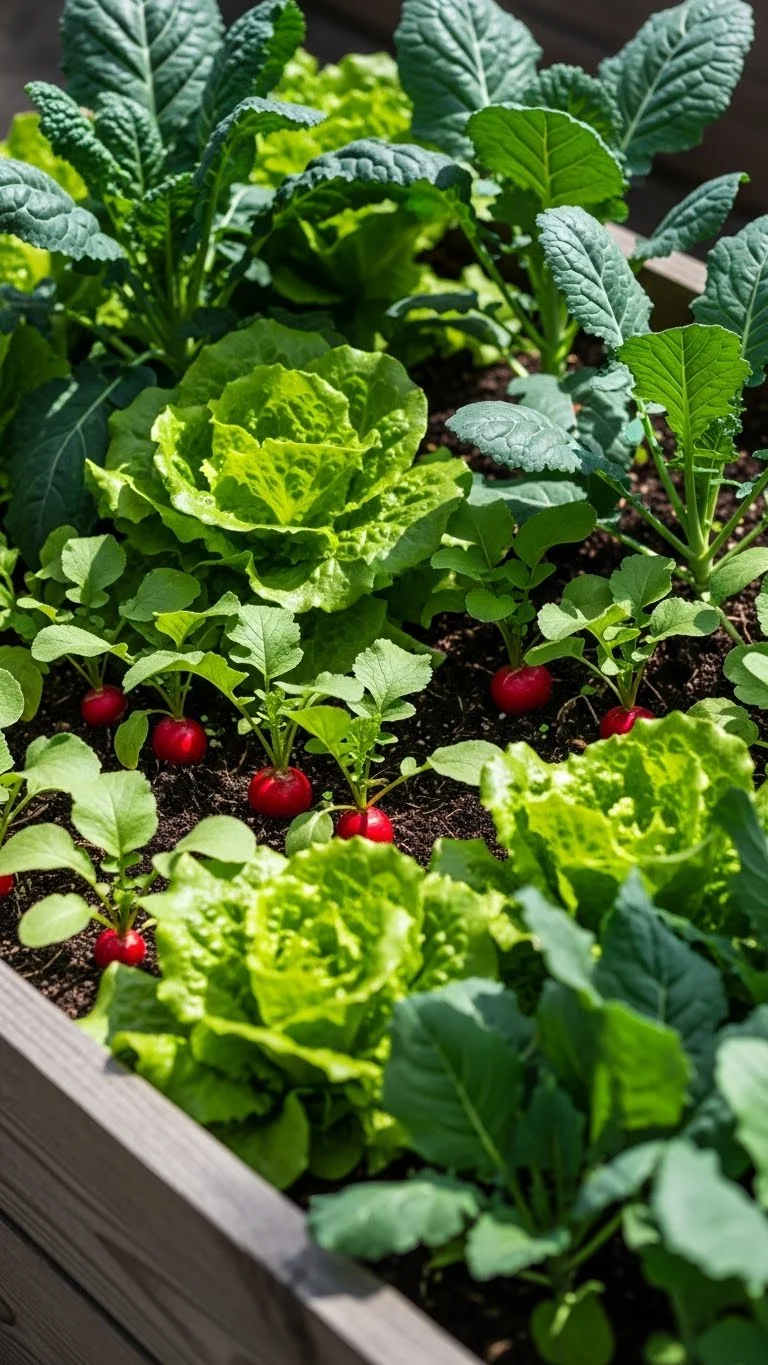
Combining plants with different growth speeds helps you fill gaps. Fast growers like radishes or lettuce mature early. Slow growers like peppers or tomatoes take more time. Plant the fast ones around the slower ones. You’ll harvest the small crops before the bigger plants expand. This keeps the soil busy without crowding. It also shades the ground lightly to help moisture stay longer. Choose seeds that germinate quickly and don’t need perfect spacing. Most leafy greens work well. This method helps you stretch your harvest window without expanding your garden. If you want to save money, sow directly instead of buying starts. Just sprinkle seeds in the empty zones and thin them as they grow. The bed stays lively while the slow crops settle in.
- Line the Bottom With Cardboard to Block Weeds
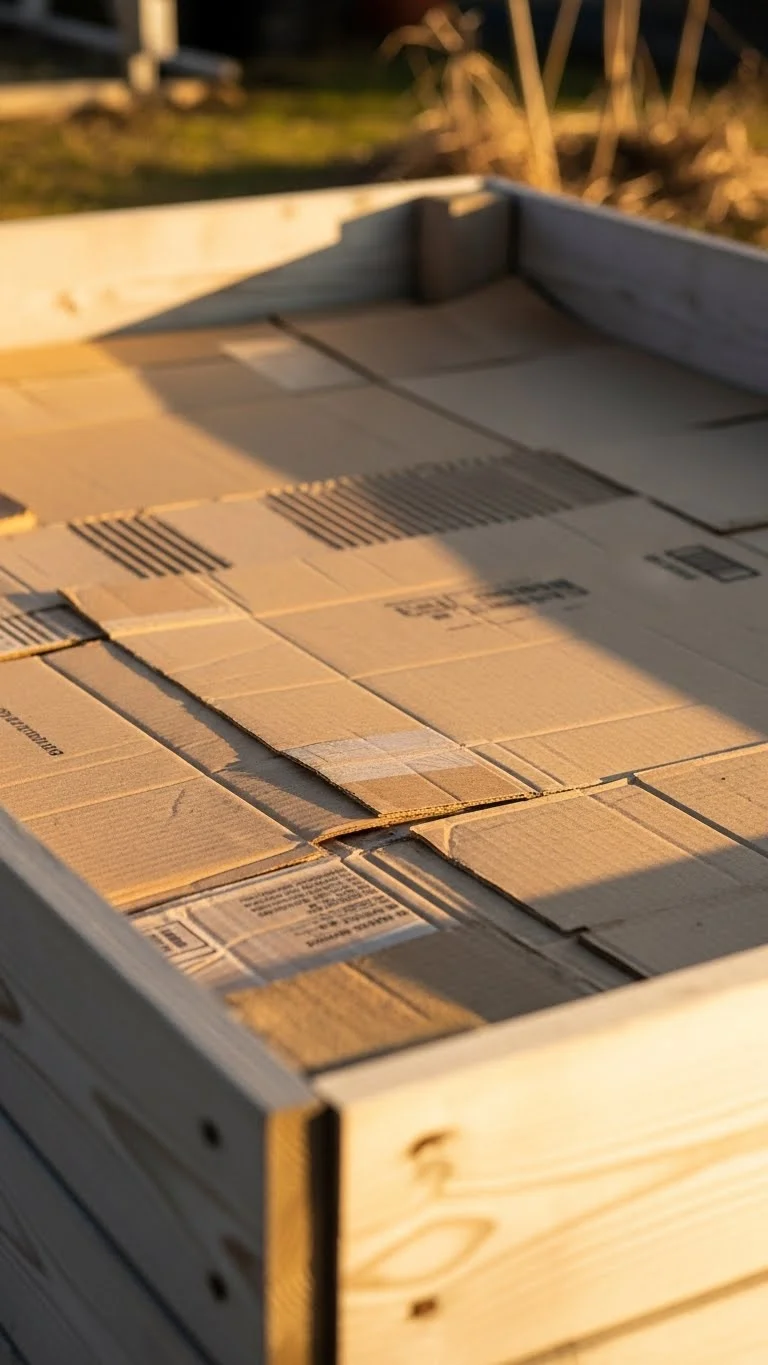
Cardboard creates a barrier between your soil and the weeds below. It breaks down slowly and feeds the soil as it decomposes. This cheap material stops grass and stubborn roots from creeping in. Lay flat sheets across the base of the empty bed, overlapping the edges. Wet the cardboard so it molds to the ground. Then fill the bed with your soil mix. The cardboard softens over time while keeping the bottom clear. This trick works well if your yard has tough weeds or uneven ground. It also reduces the time you spend pulling invaders later. Since cardboard is free, you can redo this anytime you rebuild or expand your beds.
- Plant Edges With Herbs for Natural Borders
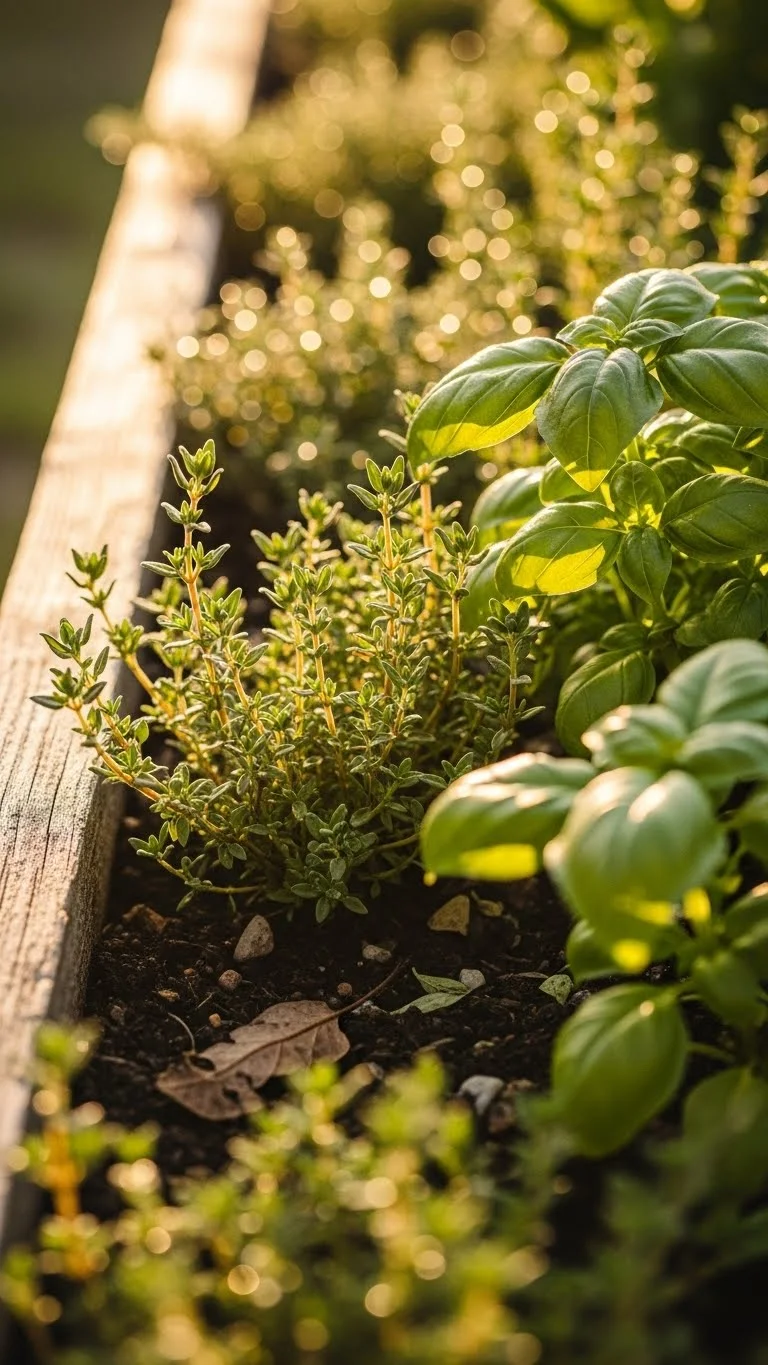
Herbs can protect the edges of your bed. They fill small spaces and add gentle fragrance. Many herbs grow close to the ground, making them perfect for borders. Thyme, basil, and chives keep soil covered and reduce weed activity. They also attract pollinators. Planting edges helps you use every inch of space without overcrowding. It’s a low-cost way to fill the bed with useful plants. Start with small seedlings or direct sow if you want to save money. Keep herbs trimmed so they don’t shade your main crops. Over time they form a neat frame around your vegetables.
- Rotate Your Crops Each Season
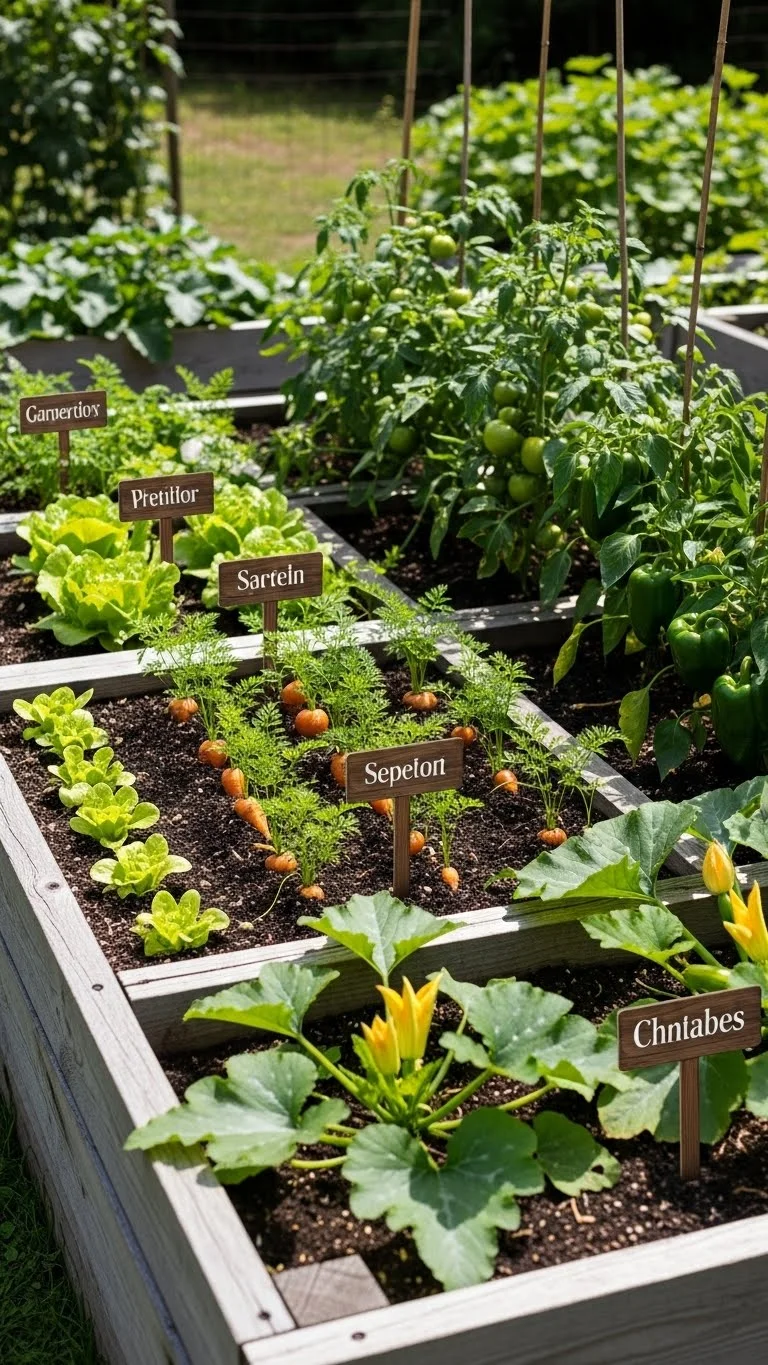
Rotating crops keeps soil balanced. If you grow the same plant in the same spot year after year, the soil gets tired. Switching plant families helps keep the bed steady. For example, switch tomatoes with leafy greens the next season. You can also rotate root vegetables with legumes. This helps keep the soil active without adding much cost. Make simple notes or draw a quick sketch so you remember where things grew. Rotation also helps reduce plant stress and keeps growth smoother over time.
- Add a Mid-Season Compost Layer
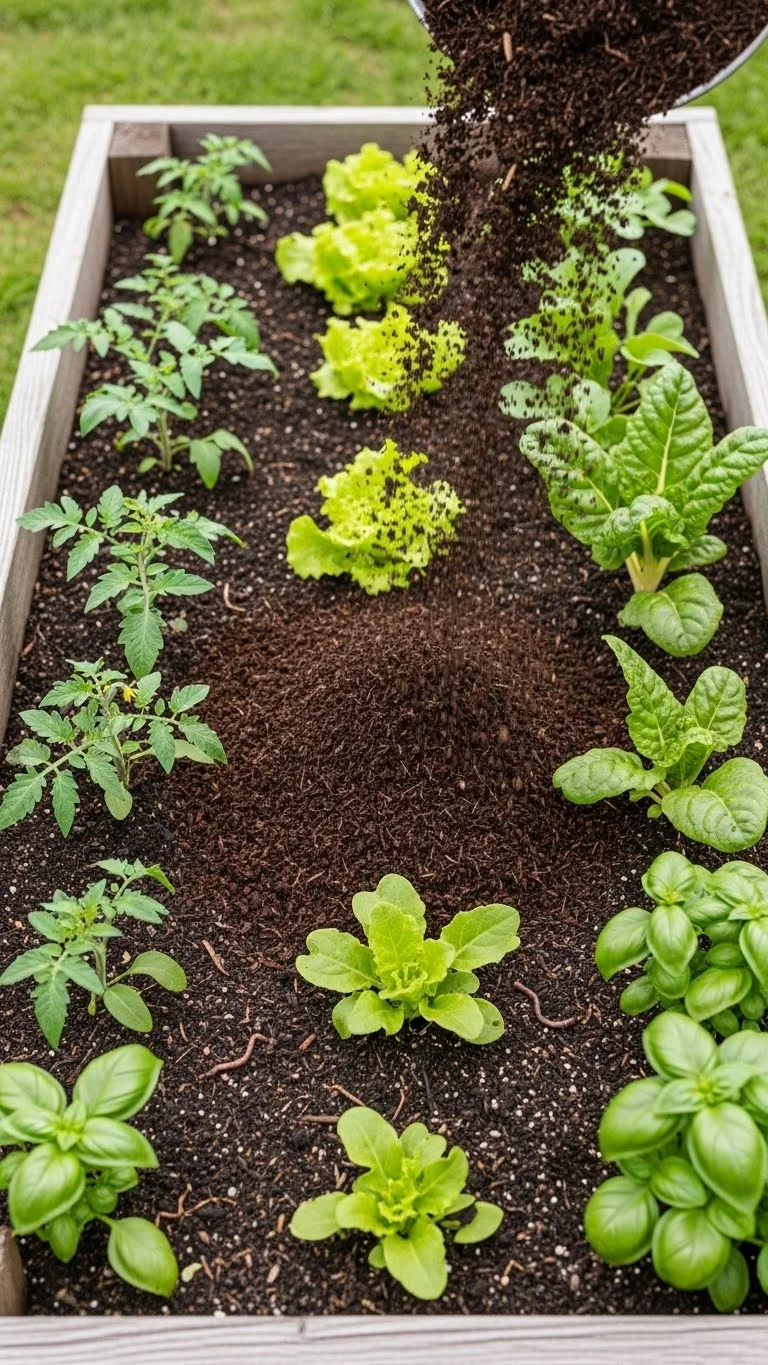
A mid-season compost layer gives plants a gentle push partway through the season. Many gardeners forget that plants need extra nourishment as they mature. Spread a thin layer around the base of each plant. Keep the compost loose so it blends naturally with watering. Homemade compost works fine and cuts costs. You don’t need much. This simple step helps tired plants stay active. It also keeps the soil fluffy through long growing periods.
- Use Corner Braces to Strengthen Bed Frames
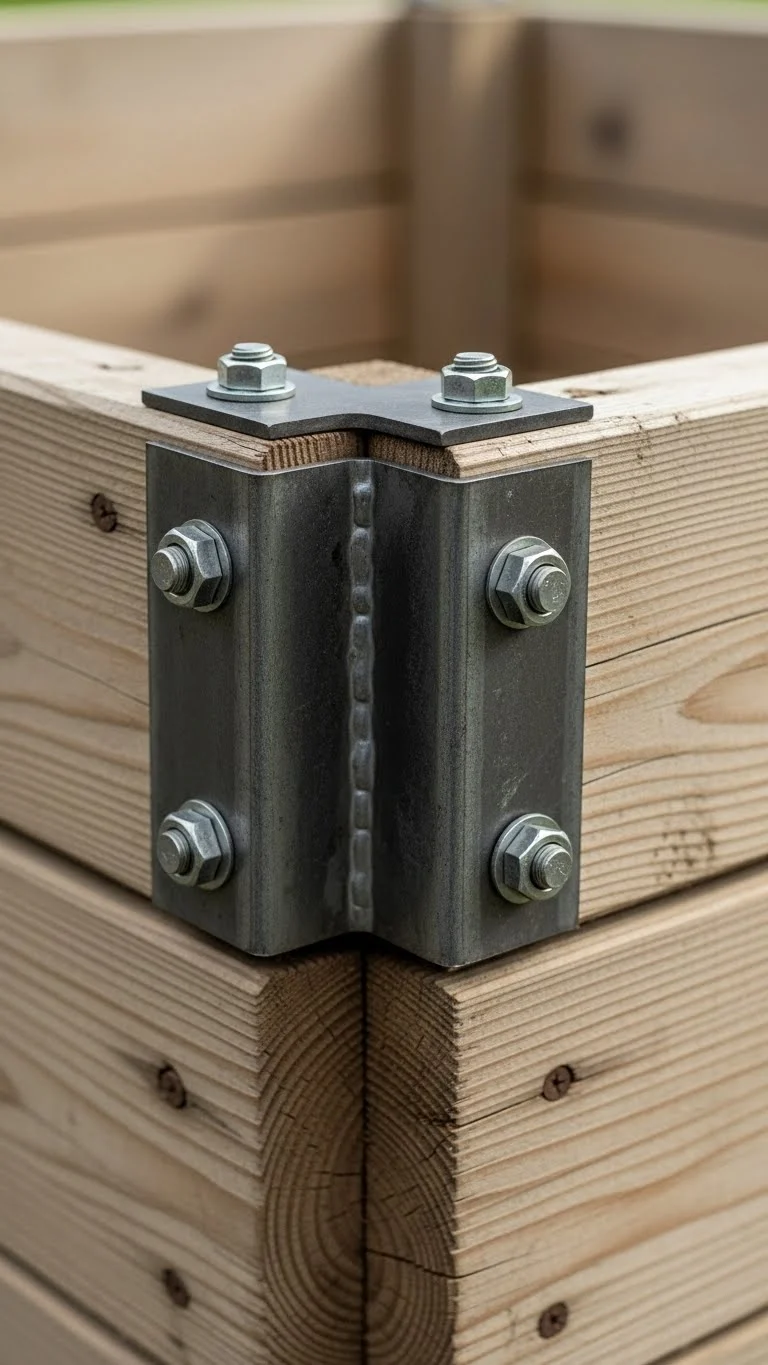
Corner braces keep your bed stable. Over time, wood can bow out from soil pressure. Adding a few metal brackets holds everything tight. These cost little and extend the life of your beds. Attach them on the inside corners so they don’t affect the look. If your wood feels loose, tighten screws or add an extra brace. Strong corners prevent soil leakage and keep the shape neat. This helps water spread evenly across the surface instead of escaping through gaps.
- Grow Cover Crops During Off-Seasons
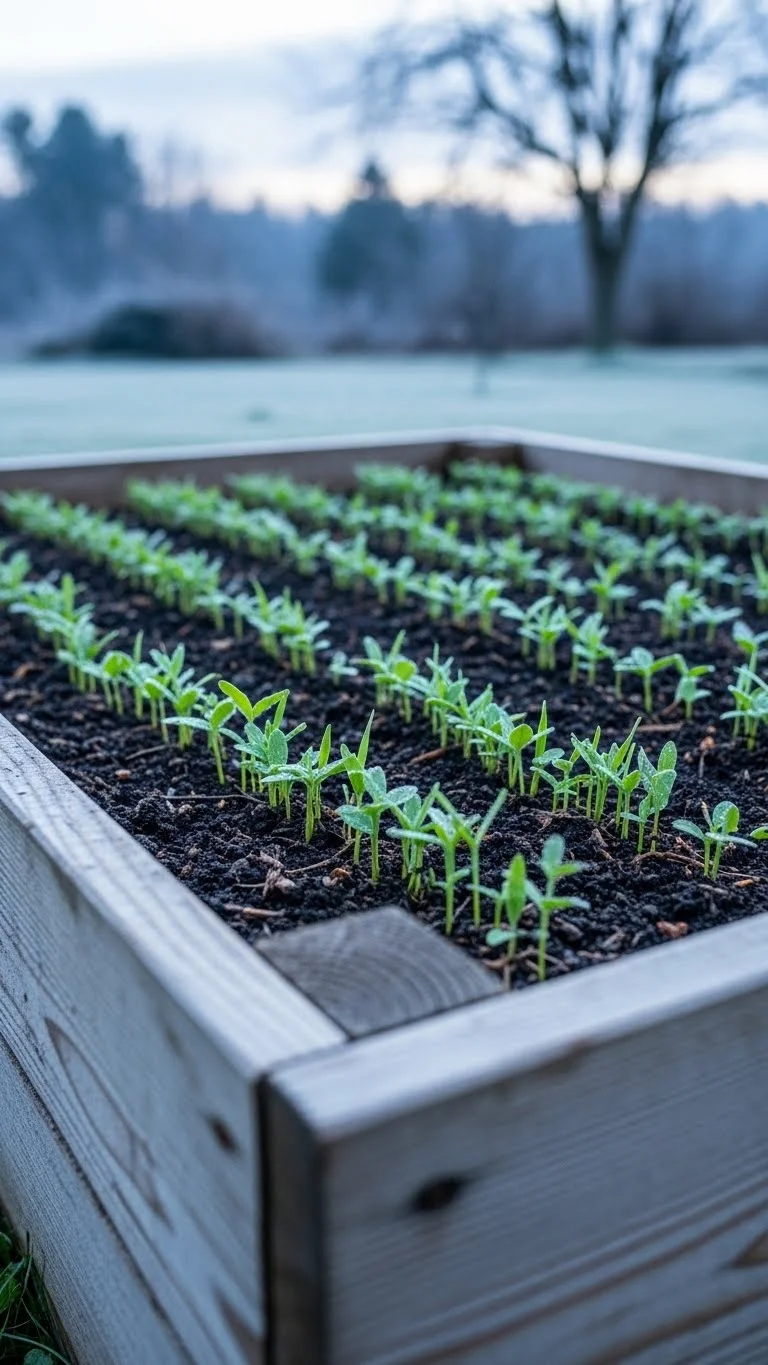
Cover crops protect your soil when you’re not planting vegetables. Options like clover or rye grow quickly and keep the surface from eroding. They also bring nutrients back into the soil as they break down. Scatter seeds over your empty bed and let them grow until you’re ready to plant again. Then cut them down and leave the remains on the soil. This adds organic matter without buying extra supplies. It’s a simple way to keep the bed active year-round.
- Add Worms to Keep Soil Loose
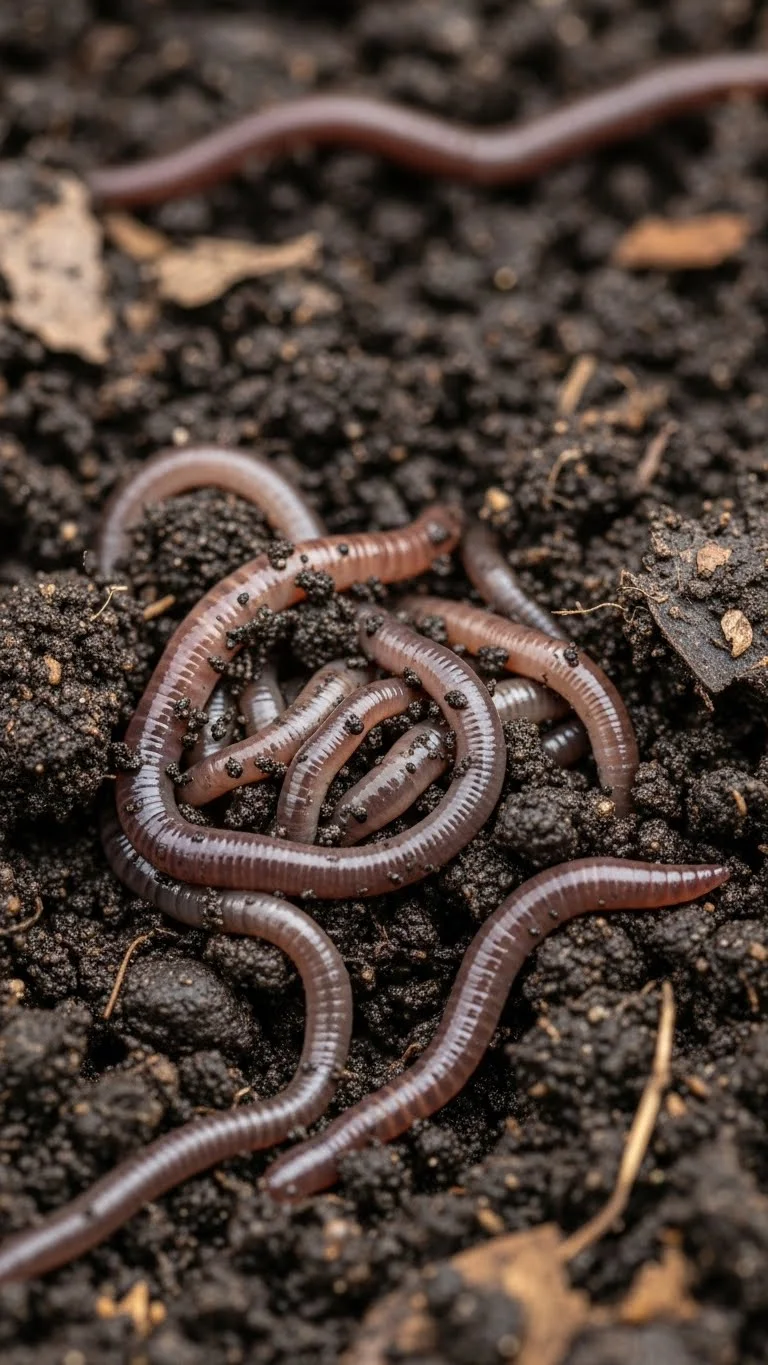
Worms keep soil airy. They burrow through the bed, creating tiny channels that help water move easily. You can add worms directly or encourage them by adding compost. They help break down organic matter faster. This helps the soil stay soft and pleasant to work with. If your soil feels compact or dry, worms can help restore balance. They cost little and multiply naturally. Raised beds that stay loose produce stronger roots and easier harvests.
- Use Removable Shade Cloth in Hot Months
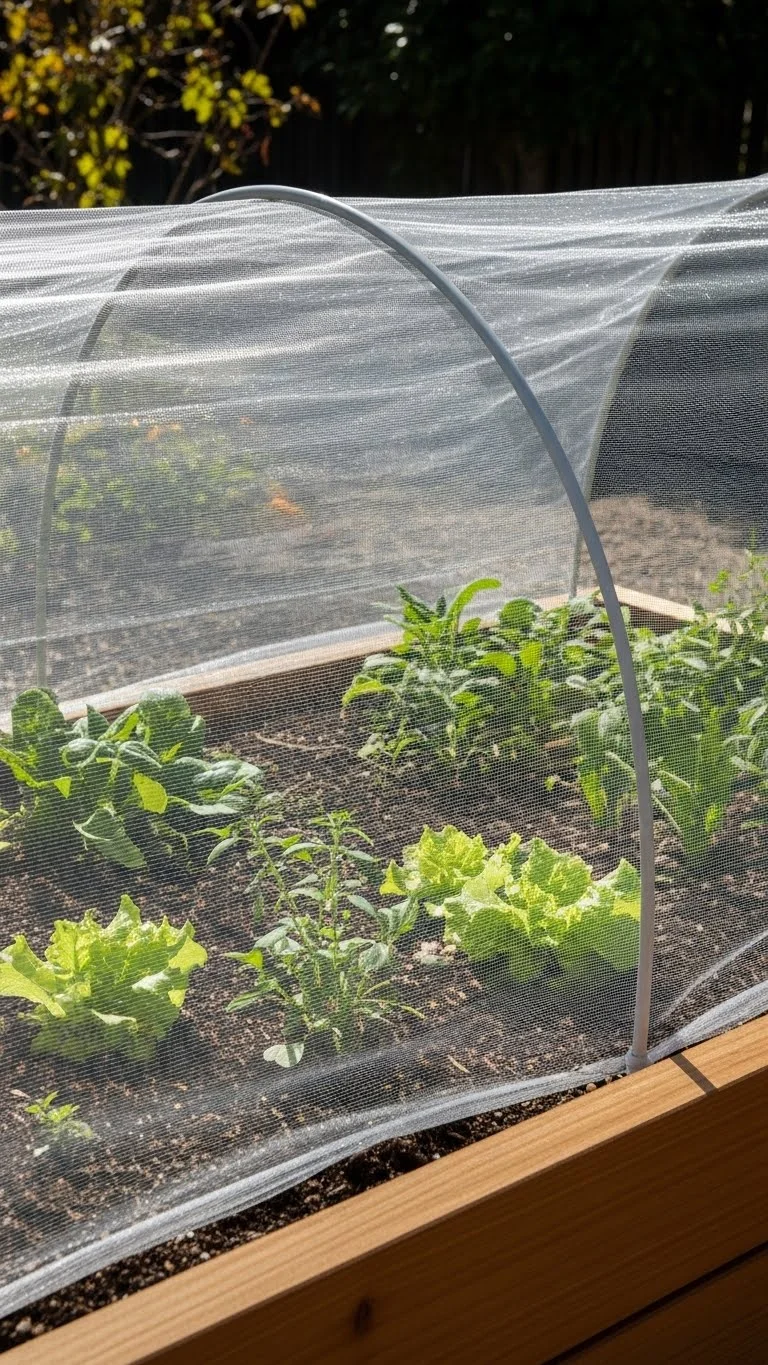
Shade cloth protects plants during hotter days. Some vegetables struggle when the sun hits too hard. A simple frame with a light cloth eases the intensity. You can remove it on cooler days. This keeps plants comfortable and prevents wilting. Many gardeners make frames from PVC pipes or wooden stakes. These are affordable and easy to adjust. The cloth also shields tender seedlings while they adjust to outdoor conditions.
- Add Gravel Paths to Improve Drainage Around Beds
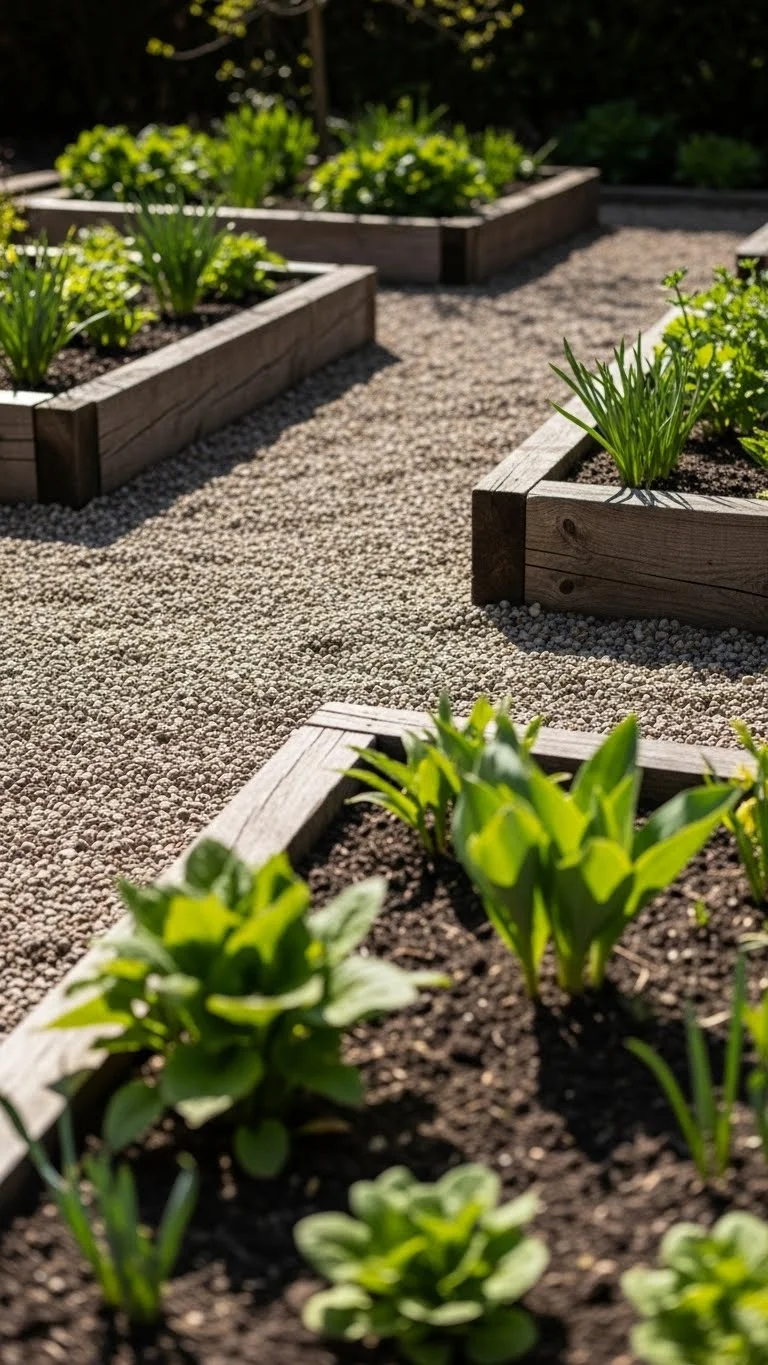
Gravel around your beds keeps water from pooling. It also creates clean walking space. When soil around the bed stays too wet, the wood can weaken. Adding gravel improves airflow and keeps the area neat. You don’t need much. A few bags spread evenly will help. Gravel makes the garden easier to navigate after rain. It also discourages weeds from spreading into your bed borders.
- Create a Dedicated Seedling Zone
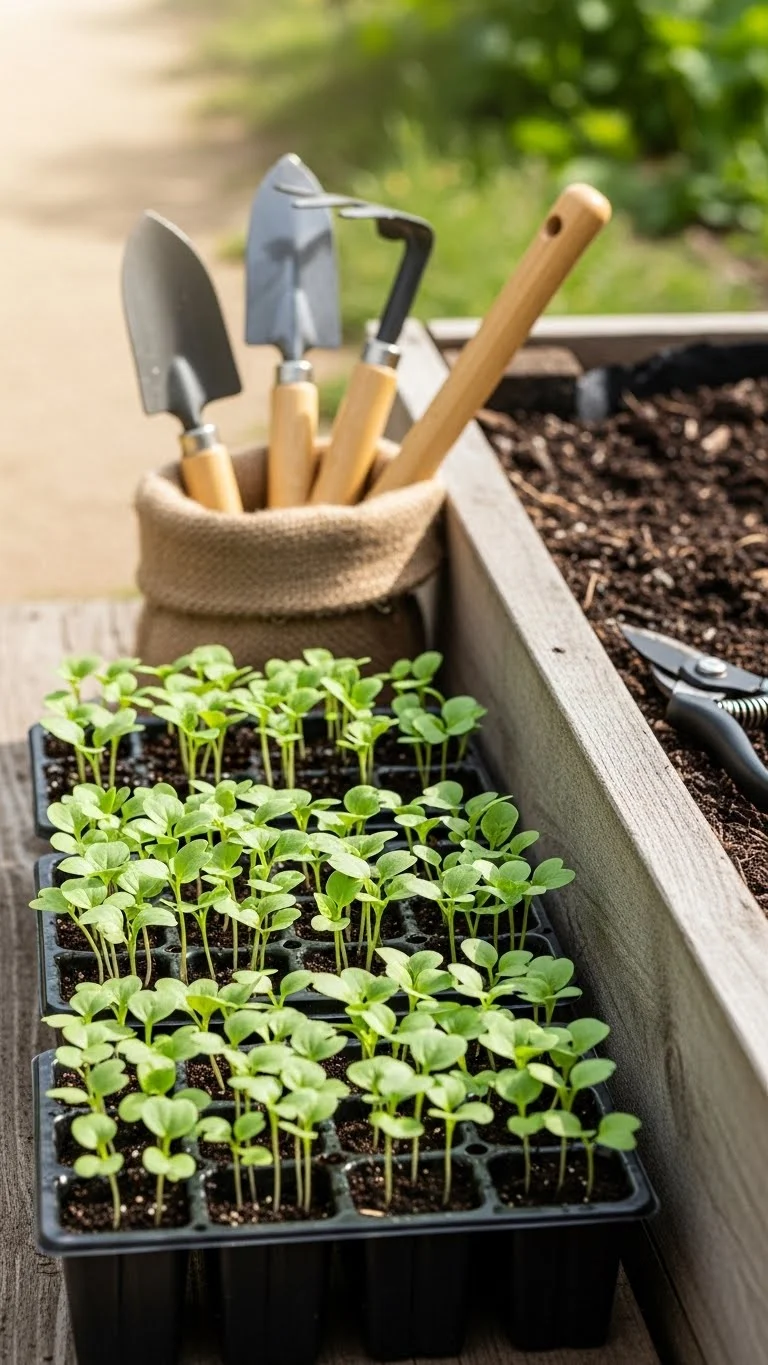
A seedling zone helps you keep young plants organized. Instead of scattering pots across your yard, group them near your beds. This makes transplanting quicker. Use simple trays or recycled containers. Keep the zone partially shaded so seedlings stay steady. When they’re ready, move them into the bed during cooler hours. This reduces stress and helps them settle. A small, tidy seedling area saves time and keeps your garden flowing smoothly.
- Add Rocks Around the Base to Hold Heat
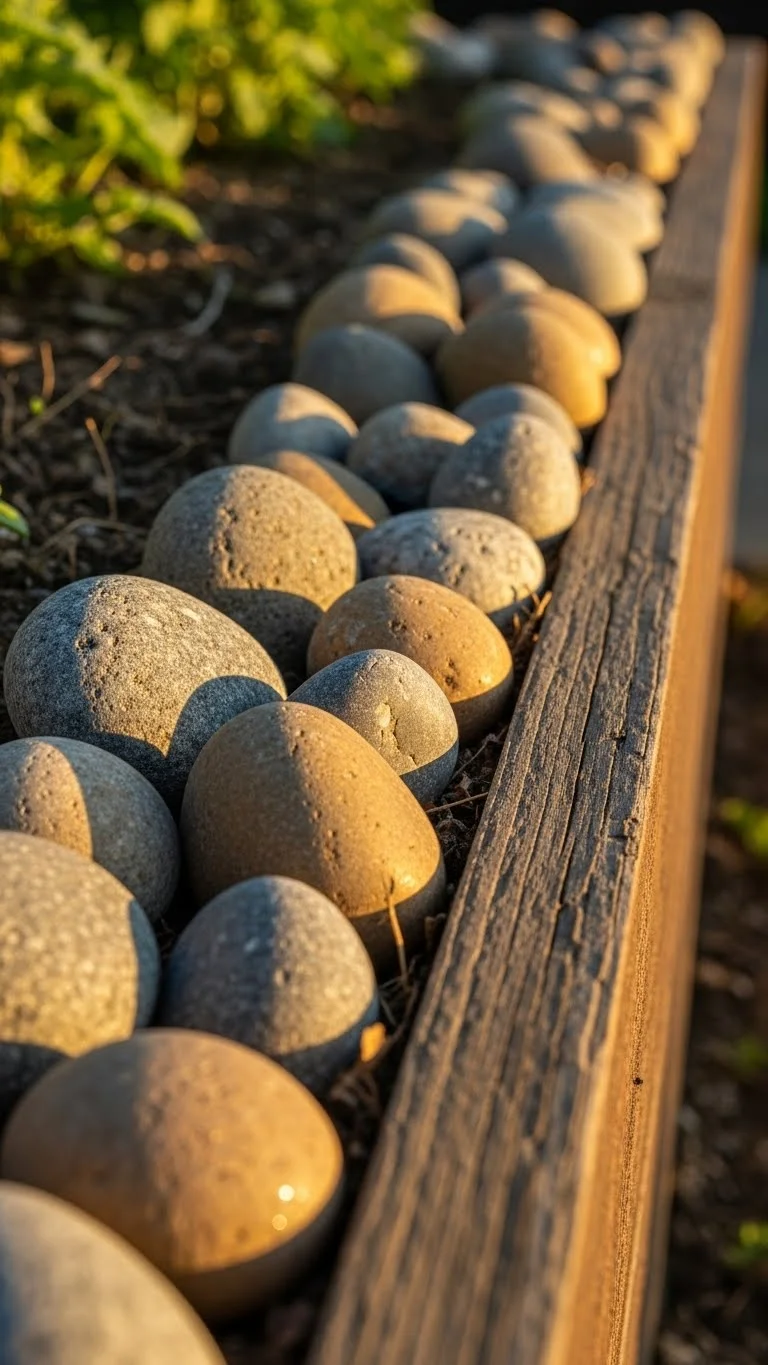
Rocks absorb warmth during the day and release it slowly at night. Placing them around the bed’s edges helps keep soil temperatures steady. This works well in cooler climates or early seasons. You can collect rocks for free. Use medium-sized ones so they don’t shift easily. They also keep soil from spilling out of the bed. Over time, they add a rustic look and help create a stable micro-environment.
- Try Square-Foot Layouts for Better Spacing
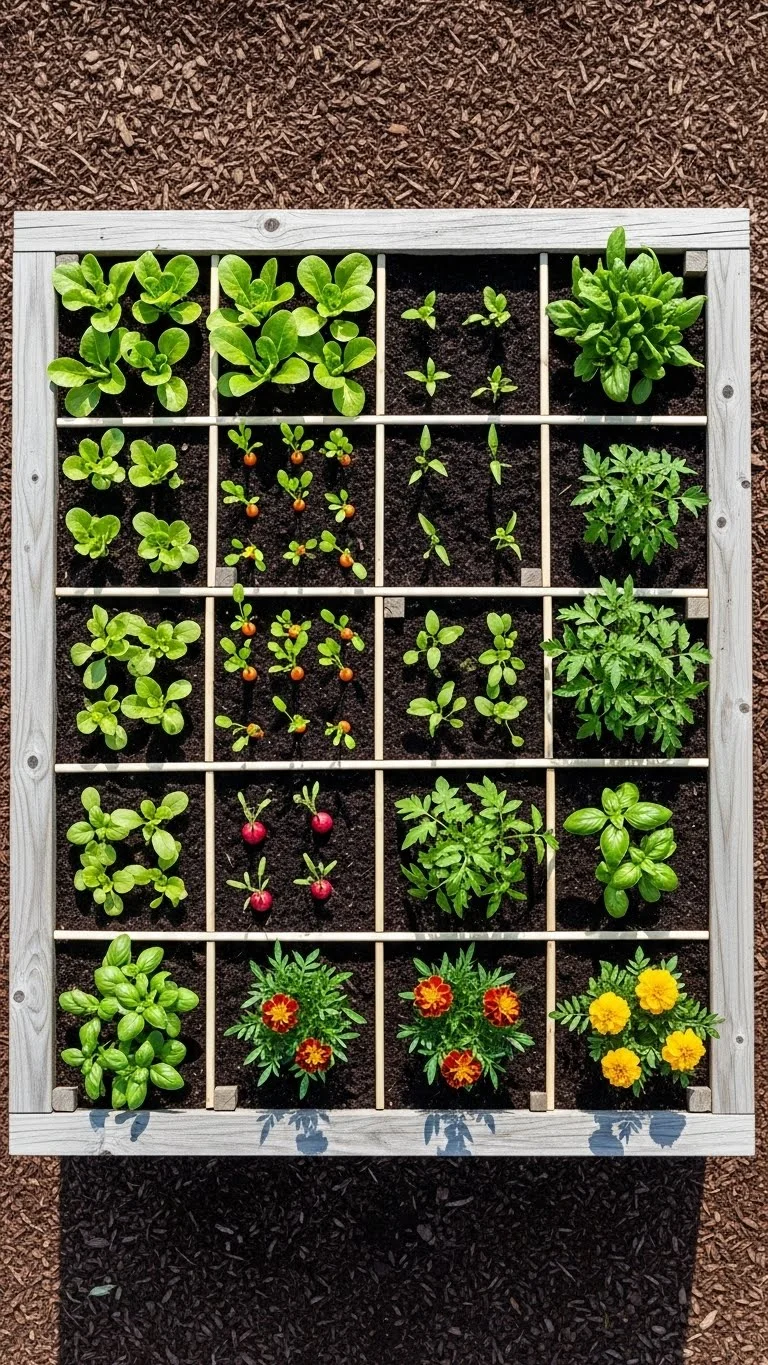
Square-foot layouts make spacing simple. Instead of guessing, divide the bed into small squares. Plant different crops inside each one. This method uses space efficiently and reduces crowding. You can create the grid using thin wood strips or string. It costs very little and makes planting feel organized. The layout also helps you see where gaps appear so you can replant quickly. Many gardeners enjoy how tidy the bed looks.
- Add Rail Hooks for Tools
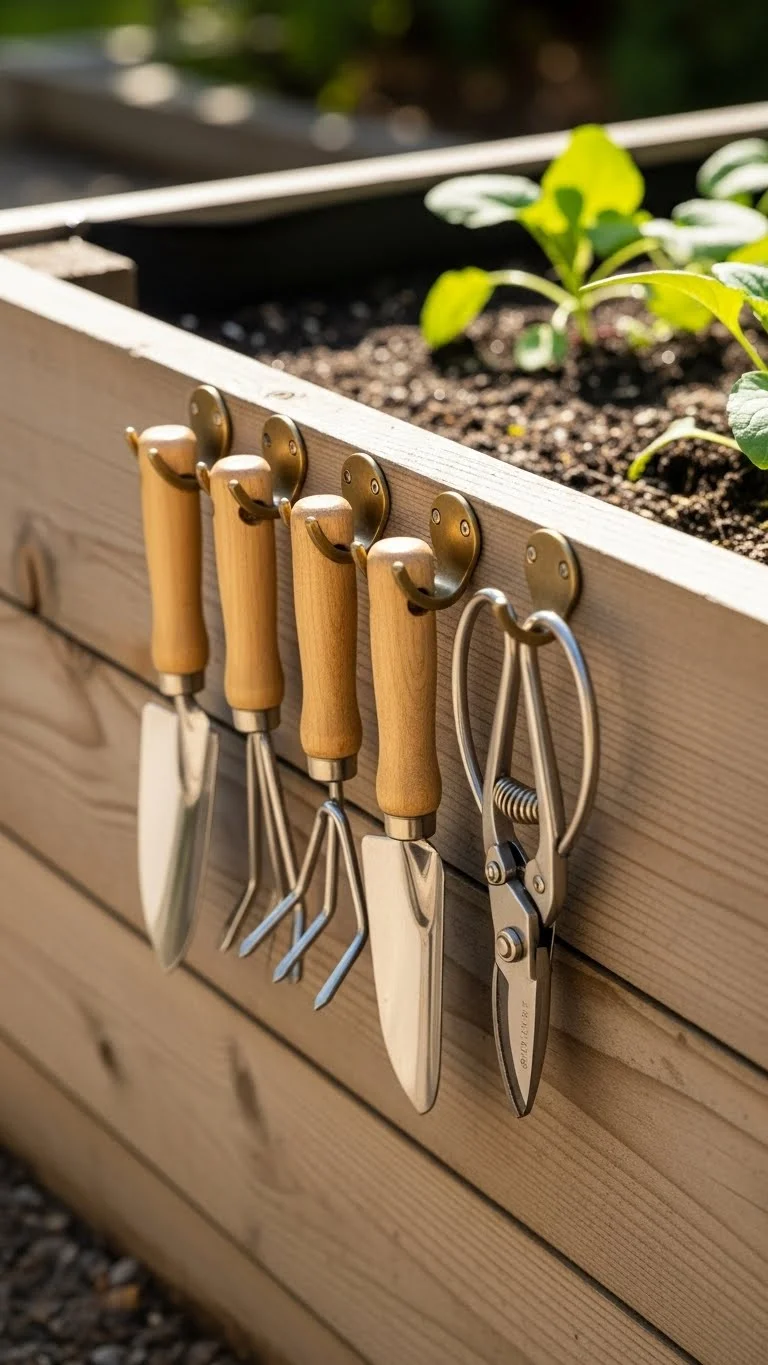
Rail hooks save time. Attach them to the side of your bed so tools stay within reach. You can hang scissors, gloves, or a hand trowel. This keeps your space clean and stops tools from getting lost. Hooks are cheap and easy to install. If you prefer a rustic look, use bent nails or scrap metal. The goal is to keep everything close so gardening stays smooth and enjoyable.
- Keep a Watering Can Stored Right Beside the Bed
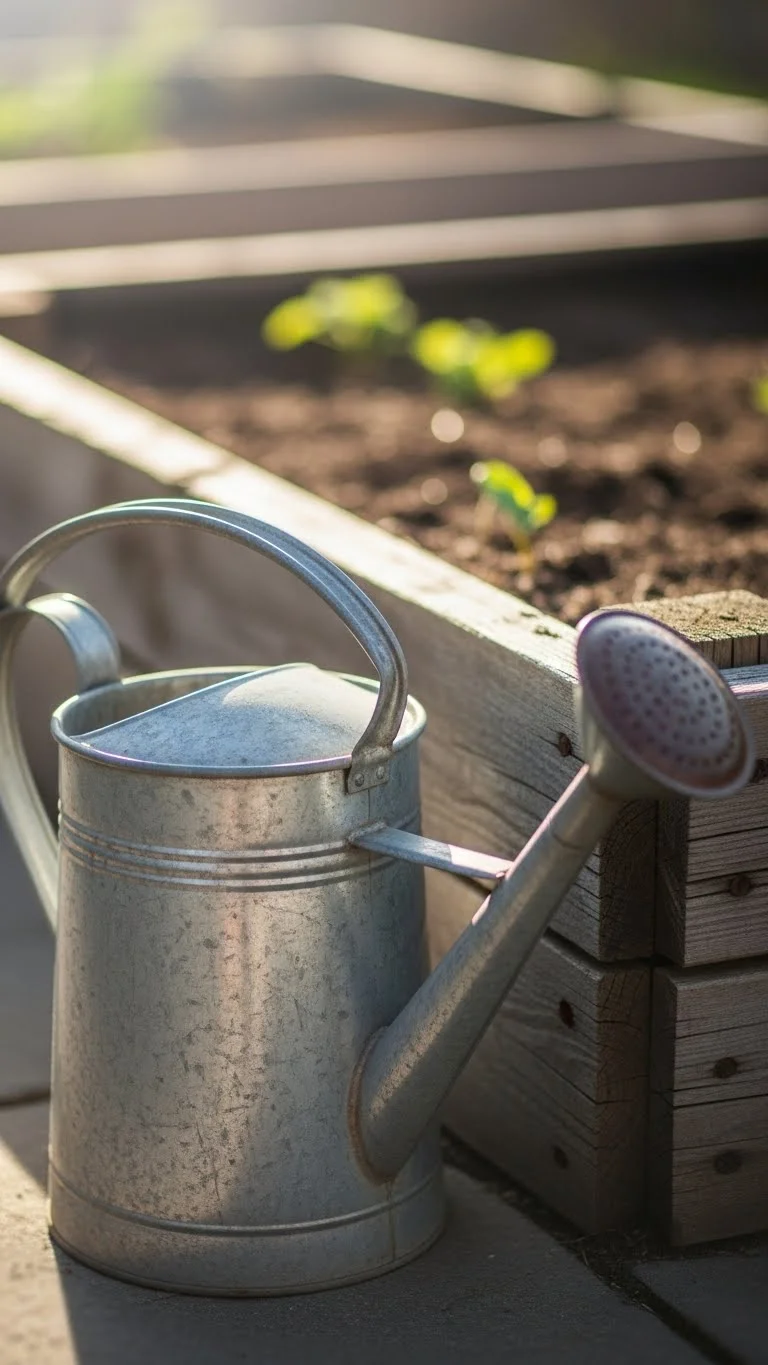
Keeping a watering can near your bed helps you act fast. If you see dry soil, you can fix it right away. Store the can under a small cover or lid to keep debris out. This habit makes daily care simpler. You stay more consistent when tools are nearby. You can also mix a mild liquid blend in the can once a week to keep plants steady.
- Add a Simple Cold Frame for Early Planting
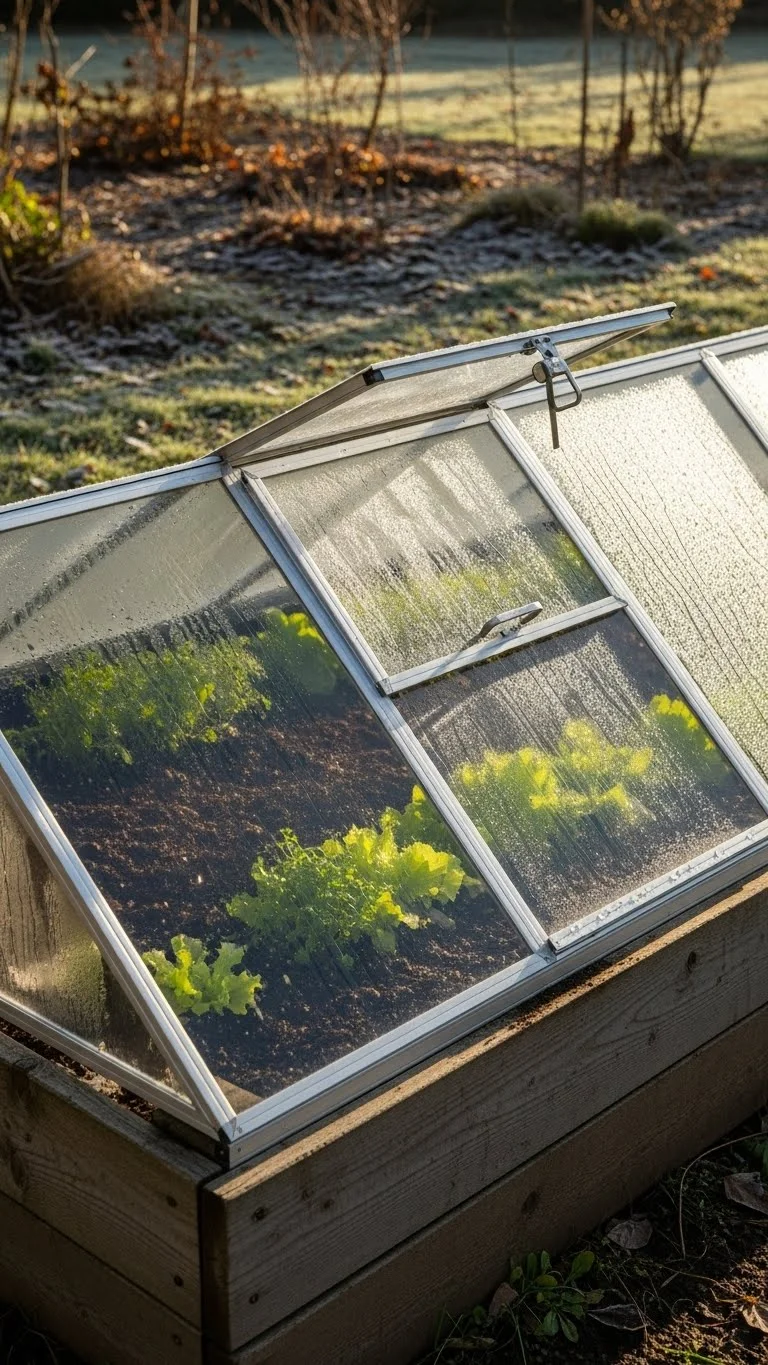
A cold frame helps plants handle chilly days. It traps warmth and protects seedlings from wind. You can build one from recycled windows or clear panels. Hinges allow easy lifting during warm hours. This lets you plant earlier in the season and extend the growing window. A cold frame costs little and helps sensitive plants settle comfortably. It also shields tender greens from sudden temperature dips.
- Mix Sandy Soil for Root Crops
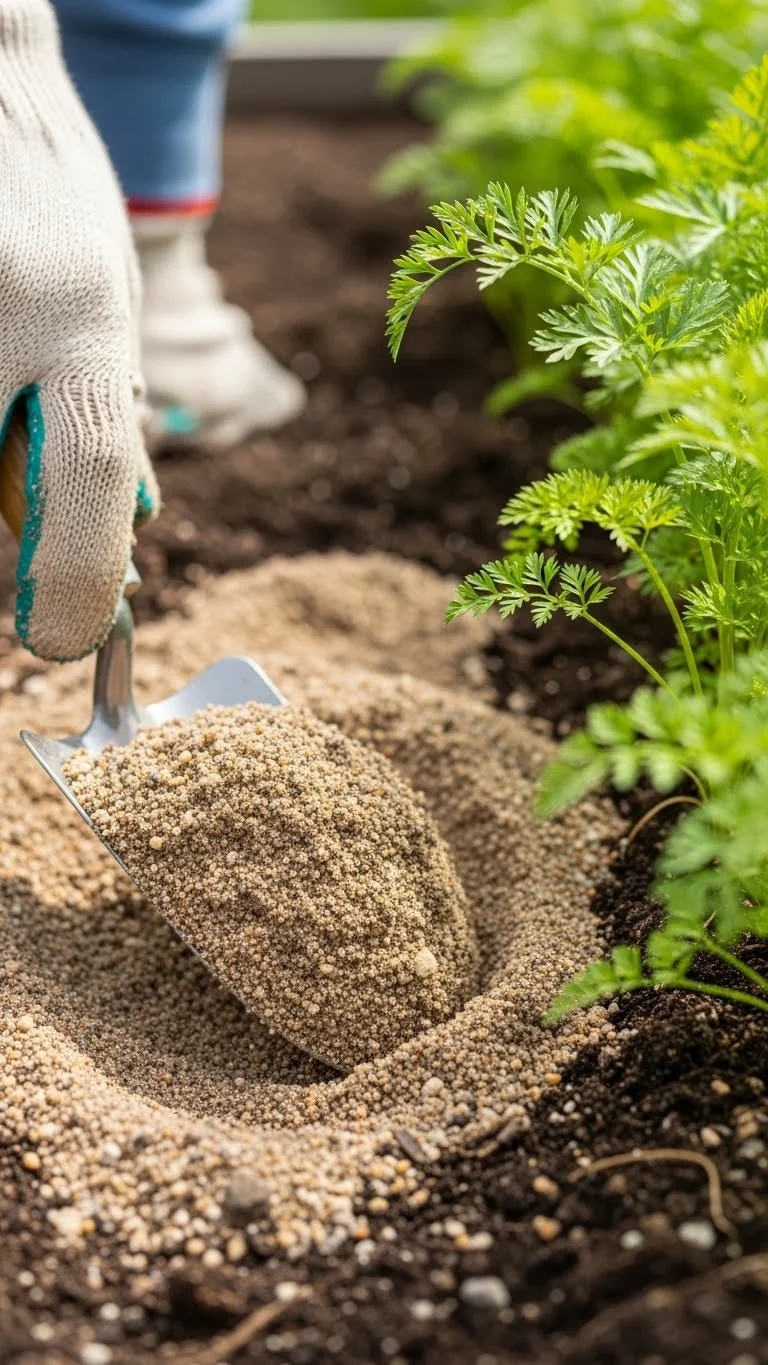
Root crops grow straighter when soil is loose. Adding sand stops clumping and helps roots push downward. Mix it into the top half of the bed before planting carrots or parsnips. You don’t need much. A small bag makes a big difference. This keeps the bed crumbly and reduces forked roots. Sandy soil also drains faster, which helps prevent soggy patches during wet days.
- Use Small Fences to Protect Young Plants
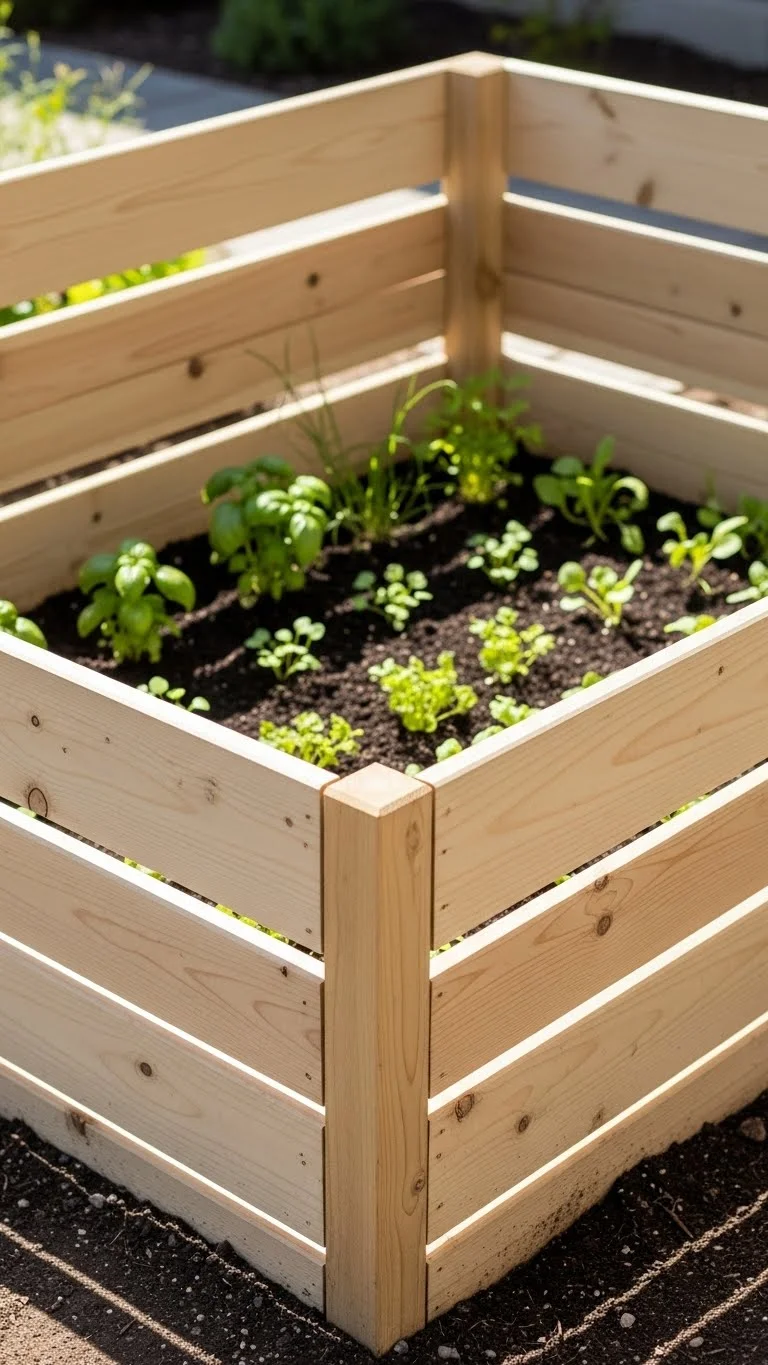
Young plants can be sensitive to pets, wind, and stray objects. Adding a small fence around your bed keeps everything safe. You can build one from pallets or narrow pickets. The fence doesn’t need to be tall. Just enough to block foot traffic. It also helps keep mulch and soil inside the bed on windy days. Fencing gives young seedlings time to settle and grow without stress.
- Add a Simple Trellis Arch Between Two Beds
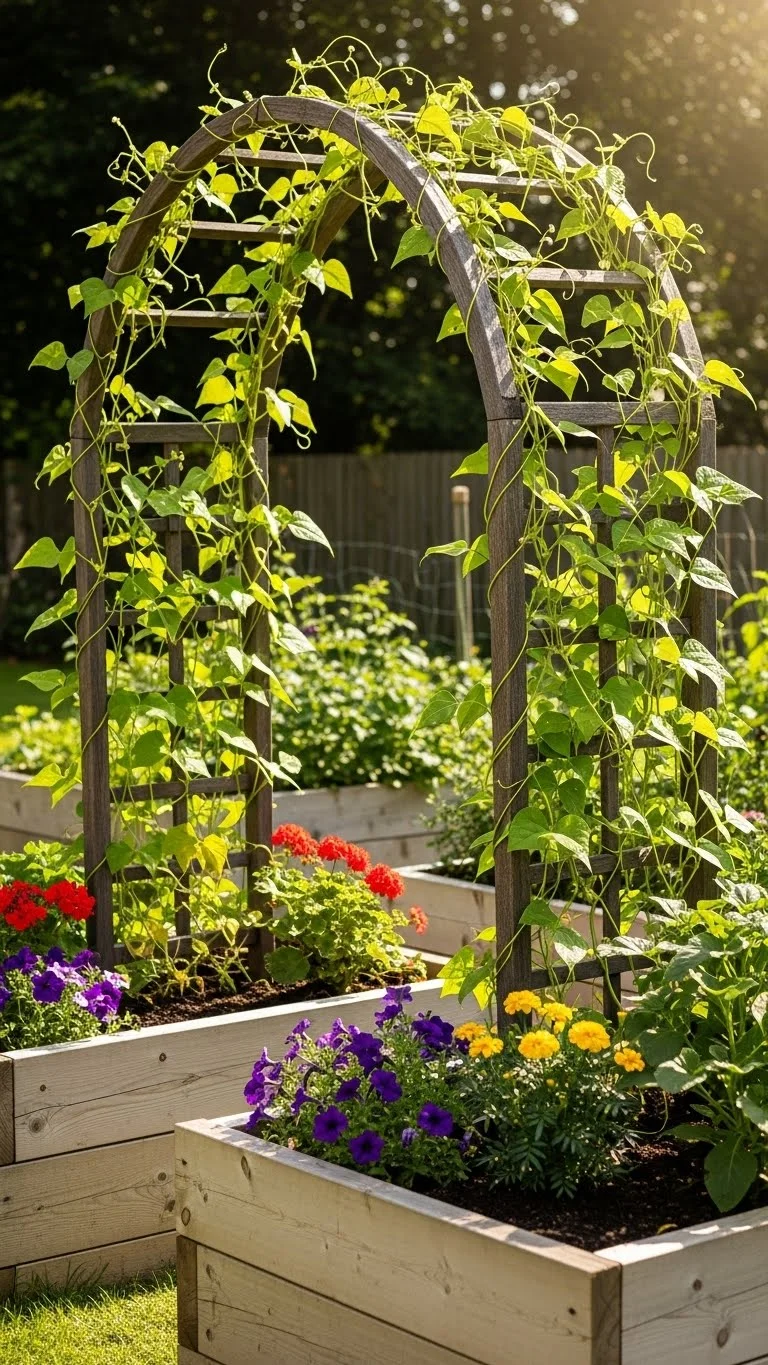
An arch between two beds creates a living tunnel. This gives climbing crops space to stretch upward. You can build the arch using cattle panels or strong mesh. Position the ends inside each bed and secure them with stakes. This setup creates shade beneath the arch where you can grow cool-loving crops. It also creates a beautiful focal point in the garden. Arches help you use height instead of expanding outward.
Conclusion
Raised beds give you a flexible, practical way to grow more food with less work. By making simple tweaks—like adding mulch, adjusting spacing, using vertical frames, rotating crops, or strengthening the frame—you create a thriving garden without spending much. Each idea above helps your beds stay productive and easy to manage. Try a few changes at a time, watch what works best in your space, and enjoy steady harvests from a garden that fits your daily routine.
